

Awards season in the salon world used to mean one or two glossy trade ceremonies dominated by celebrity names and big-city chains. The UK Hair and Beauty Awards belongs to a newer generation of recognition programmes built for the rest of the industry: independent salons, self-employed stylists, lash and brow artists, nail technicians and beauty professionals who do exceptional work but will never appear in a magazine spread. The programme invites entries and nominations from across the country, shortlists finalists, and celebrates winners at dressed-up ceremony events — giving working professionals something concrete they can use to market themselves.
This review is a little different from our usual write-ups, because what you are “buying” is not a product but an experience and a marketing asset: recognition, finalist and winner branding, and a night out with your team. So we have judged it the way a salon owner should — as a business investment: how entry works, what it realistically costs once tickets and travel are counted, what comes back in bookings and social proof, and how it compares with the established trade awards. As always on PrimeVouch, we flag the limits as plainly as the benefits, and hedge where details change from season to season.
PrimeVouch Score: 8/10 — a genuinely useful visibility engine for independent salons and solo professionals, with accessible entry, feel-good ceremonies and marketing assets that help small businesses stand out locally. It loses points because recognition is never guaranteed, the real cost sits in tickets and travel rather than entry, and trade-press awards still outrank it for peer prestige.
Best for: independent salon owners, home-based and mobile stylists, lash, nail and aesthetics professionals who want credible social proof for their local market; teams that need a morale boost; and new businesses trying to build trust quickly without a decade of reviews behind them.
What we loved:
- Accessible to independents — you do not need a famous salon or an editorial portfolio to be shortlisted.
- Finalist status arrives early, so most shortlisted entrants get usable marketing material long before winners are announced.
- Category depth across hair, beauty, nails and aesthetics means specialists compete against comparable businesses.
- The ceremony doubles as a team night out that owners consistently describe as superb staff-morale money.
- Finalist and winner badges translate directly into local marketing — window stickers, social posts, booking-page trust signals.
What could be better:
- There is no guarantee of anything: you can invest hours in an entry and hear nothing back.
- The economics lean on ceremony tickets, outfits, travel and hotels — the true cost is the night itself.
- Prestige is local and consumer-facing; a trade-press award still carries more weight with industry peers.
- With many categories and regions, the badge is powerful with clients but less exclusive than it looks.
What makes The UK Hair and Beauty Awards different
The traditional route to recognition in this industry — the big trade ceremonies run by the hairdressing press and professional bodies — is brilliant but brutal: photographic collections, editorial-quality portfolios and competition against the most famous names in British hairdressing. The UK Hair and Beauty Awards flips the model. It is built around nominations and entries that describe your actual business: your client care, your transformations, your training, your story. That opens the door to talented professionals whose best work walks out of the salon on a client’s head rather than into a photoshoot. Regional shortlists keep a Stoke salon out of competition with Mayfair flagships, and specialists compete in their own lanes.
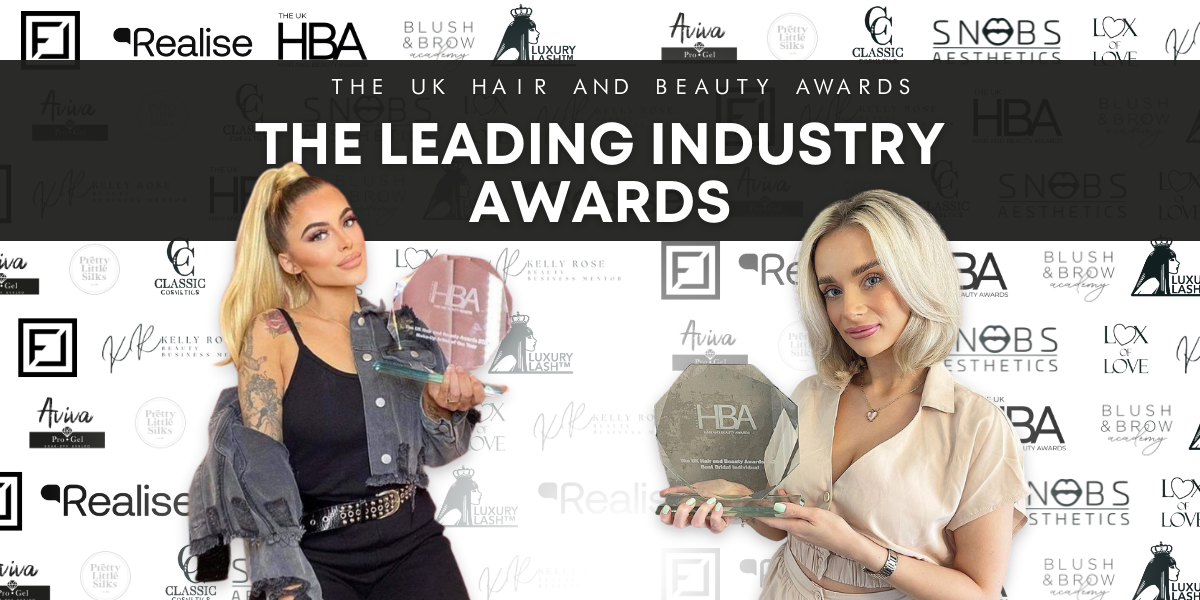
The second difference is what the programme is optimised for. Trade awards are optimised for peer prestige; this style of awards is optimised for client-facing proof. Finalists typically receive announcements, badges and social assets to shout about immediately, and the ceremony generates the photos — team in evening wear, trophy in hand — that perform so well on Instagram and in a salon window. For a small business whose customers have never heard of the trade press, a shiny “Finalist 2026” badge in the window does more for bookings than an accolade nobody outside the profession recognises.
The star product: the entry and recognition experience
The core “product” is the journey from nomination to ceremony. It usually starts with a nomination — from a client, a colleague or yourself — followed by an entry stage where you make your case: your business, your results, your client experience, often with supporting photos and reviews. The commitment is an evening with a laptop, not the weeks of studio work a photographic trade award demands. Shortlisted businesses are announced as finalists, and winners are revealed at the ceremony.
The clever part, commercially, is that value starts flowing at the finalist stage. A finalist announcement is news you can post the same day; it is a badge for your booking page, a line for your window vinyl and a reason for local press to mention you. Owners who work the moment — announcing it, thanking clients, running a small celebratory offer — often report a visible bump in enquiries regardless of what happens on the night. The ceremony is the emotional payoff — and win or not, many entrants say the evening did more for staff pride than any Christmas party.
Be clear-eyed about the other side: recognition is competitive and subjective, some strong businesses miss the shortlist, and there is no refund on the hours spent writing. Treat the entry itself as useful marketing homework, and anything beyond that as upside.
The rest of the range
Category families: hair, beauty, nails & aesthetics
The categories typically span the whole industry: hairdressing and barbering, colour and extension specialists, beauty salons and spas, lash and brow artists, nail technicians and aesthetics practices, with variations year to year. There are usually recognitions aimed at newcomers and rising talent too, which matters — a stylist eighteen months into self-employment gets a realistic lane rather than being crushed by twenty-year veterans.
Regional shortlists and national stages
Most programmes of this kind run on a regional logic: you compete first against businesses in your area, which keeps comparison fair and makes the title locally meaningful — “award-winning salon in the North West” is exactly what a nervous new client wants to read. Strong performers may progress to national-level recognition, and venues rotate around the country rather than defaulting to London.
The winners’ toolkit: badges, media and momentum
Beyond the trophy, the practical haul is the marketing kit: finalist and winner logos for your website and socials, ceremony photography, announcement wording and the licence to call yourself award-winning. Some programmes offer extras such as window stickers or promotional packages — sometimes included, sometimes purchasable — so read what your entry actually entitles you to. Used properly, this toolkit is the entire return on investment; a trophy in a cupboard earns nothing.
Price & value
Costing an awards campaign confuses people because the entry itself is often the cheapest part — programmes in this space frequently make nomination and entry free or low-cost, then earn their money on ceremony tickets and add-ons. The figures below are typical ranges, not quotes; check current details before budgeting — every item except entry is optional.
| Cost item | Typical range | Notes |
|---|---|---|
| Nomination / entry | Often free–~£50 | The low-risk part; some categories may carry fees |
| Finalist ceremony ticket | ~£60–£120 per person | The main cost; whole-team tables multiply it |
| Travel & hotel | ~£50–£250+ | Depends on venue distance; ceremonies run late |
| Outfits & glam | ~£50–£200 | Optional but, in this industry, rarely skipped |
| Winner’s marketing add-ons | ~£0–£150 | Photos, stickers or packages, where offered |
Add it up honestly and a finalist night for an owner plus two staff can land anywhere from a couple of hundred pounds to close to a thousand. Against that, weigh what the same money buys in local advertising: a few weeks of boosted posts that vanish, versus a permanent “award-winning” line in every bio, window and booking page you own. For salons that convert even a handful of new regulars off the back of it, the maths works — but only if you actually use the recognition.
How to get the best results from an entry
- Pick categories strategically: enter where your evidence is strongest and the field most comparable, not just the most glamorous title.
- Write with evidence, not adjectives — client numbers, retention, transformations and reviews beat “passionate” every time.
- Mobilise clients early if nominations or public support play a part; a mirror sign and a booking-confirmation line do most of the work.
- Plan the announcement before it happens: have finalist posts, window vinyl wording and a photo plan ready to deploy within hours.
- Budget the whole campaign upfront — entry, tickets, travel, outfits — and decide in advance what result would justify it.
One habit separates professionals from hopefuls: recycle everything. The paragraphs you write for an entry become website copy; ceremony photos become a month of content; the badge goes on every platform the same week. Treat the award as a campaign, not an event, and it tends to pay for itself.
Common buying mistakes to avoid
The classic error is spending the budget on the party and nothing on the follow-through — a wonderful night out, one trophy photo, then silence, which converts precisely zero new clients. Almost as common: submitting a thin, adjective-heavy entry and concluding the programme is “fixed” when the shortlist passes you by. Some owners drag the whole team to a distant ceremony on a trading weekend without counting the lost column revenue. And many never read what finalist status actually licenses — badge files, wording, year — so they under-use the asset or over-claim in ways that look amateurish. Decide what you want from the process before you enter.
Watch: Inside the UK Hair and Beauty Awards
The UK Hair and Beauty Awards vs alternatives
The heavyweight alternative is the traditional trade circuit — most famously the British Hairdressing Awards run through the trade press, alongside long-running professional and photographic competitions. Those carry enormous prestige inside the industry, but they demand editorial-quality photographic collections, favour established names, and mean little to the average client booking a balayage. A closely related option is The British Hair & Beauty Awards and the wider field of consumer-facing national and regional programmes, which run on a very similar nomination-and-ceremony model; compare categories, venues and ticket costs before choosing, because the mechanics are broadly interchangeable. Local business awards from chambers of commerce and city magazines are cheaper, carry genuine local weight and make an excellent first rung. And always price up the do-it-yourself alternative — the same budget in review generation and content — because reviews convert daily while awards convert in bursts. Our view: this style of recognition and organic social proof are complements, not rivals. The award gives you a story and a badge; your reviews keep the promise it makes.
Quality, organisation & support
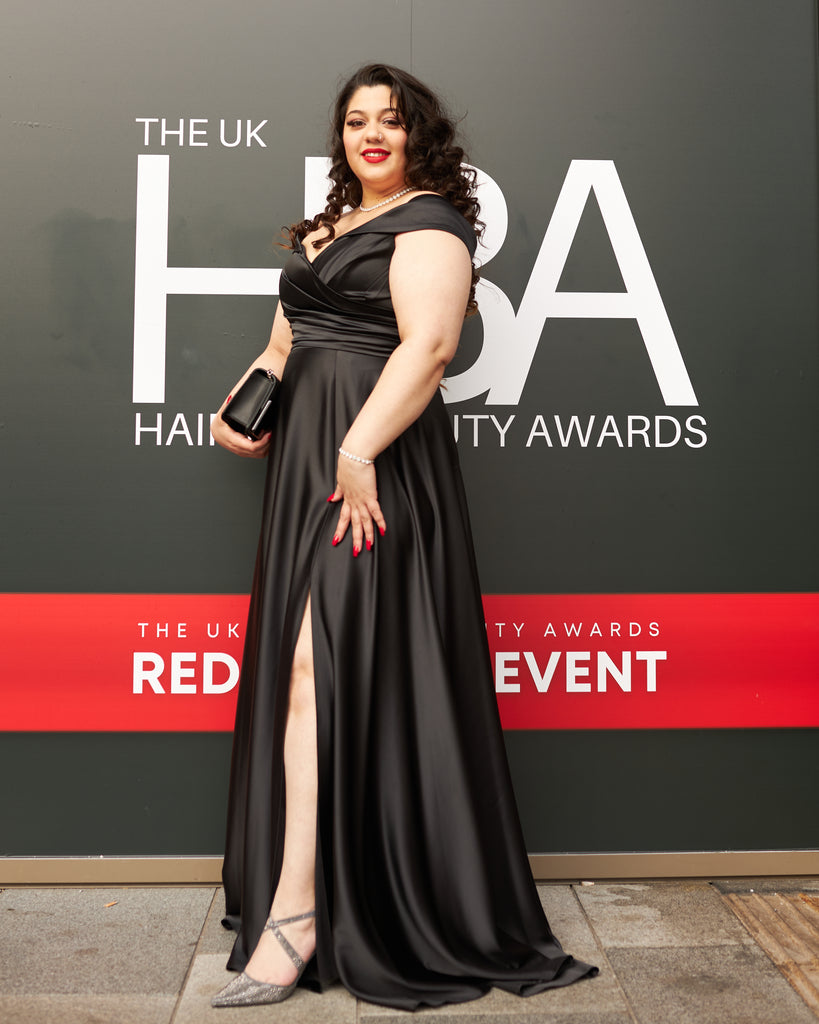
Judged as an event product, programmes like this live or die on organisation, and the format is well practised: entries handled online, finalists announced publicly, ceremonies staged in hotel ballrooms with hosting, dinner and the awards themselves. Entrants generally describe polished, high-energy nights — this is an industry that knows how to dress up — though as with any large gala, the awards portion runs long. Go for the occasion and the networking, not a quiet dinner.
Administratively, expect the rhythm of a seasonal events business: communication clusters around entry deadlines, finalist announcements and ticket sales. Read every email carefully — deadlines for entries, tickets and badge downloads are real, and missing them is the most common self-inflicted wound.
Support is typically email-first and busiest around ceremony season, so allow a few working days for replies and front-load questions about category fit. Organisers have every incentive to help serious entrants present well. Terms around tickets, refunds and badge usage change season to season, so verify the current rules rather than relying on last year’s — or on any review, including this one.
What real customers say
Feedback from entrants across consumer-facing salon awards follows a consistent pattern, and this programme appears to fit it. The delighted majority are finalists and winners who describe the night as a career highlight: teams in tears on stage, clients flooding the comments, and a visible lift in profile views and enquiries in the following weeks. Owners repeatedly say the finalist badge became the most-clicked element of their booking page, and that writing the entry clarified their marketing in unexpected ways.
The critical minority cluster around two themes: entrants who invested effort and were not shortlisted, and grumbles about the total cost of the night once tickets, travel and outfits stacked up. Sceptics argue that programmes with wide finalist lists are marketing machines as much as meritocracies — a fair challenge, though marketing value is precisely what entrants are buying. Treat the overall picture as encouraging rather than definitive, and ask other local finalists about their honest experience before you budget.
Who should enter — and who should not
Enter if you are an independent salon, clinic or self-employed professional whose local reputation is your livelihood: the finalist badge, ceremony photos and “award-winning” wording are disproportionately powerful for businesses without big brands behind them. It is especially worth it for newer businesses that need trust signals fast, and for teams that would genuinely be lifted by a night in the spotlight.
Skip it, or wait a year, if the honest motive is peer prestige — that credential lives at the trade-press awards — or if the full campaign cost would strain the business; an award is a marketing accelerant, not a rescue plan. Owners without time for a proper evidence-based entry should also hold off; a rushed entry gives judges nothing to shortlist. And if your online reviews are weak, fix those first: a strong review profile converts more bookings than any badge.
Honest limits
Let us be plain about the boundaries. This is a commercial recognition programme, not a regulated qualification: shortlisting is competitive and subjective, judging criteria are the organisers’ own, and nothing about entering guarantees a finalist place, a trophy or a single new client. The prestige is strongest with local consumers and lighter with industry peers, and because categories and regions are numerous, the exclusivity of any single badge is diluted — fine, as long as you know you are buying visibility rather than rarity. The return depends almost entirely on how hard you work the recognition afterwards. Verify every current detail on the official site before committing money or a weekend.

The UK Hair and Beauty Awards discount codes & deals
Awards programmes discount differently from shops: watch for free or early-bird entry windows, early ticket pricing and promotions around nomination season rather than year-round codes. Before you budget for entries or a ceremony table, it is worth thirty seconds on our deals hub, where we track current verified codes and offers across beauty and salon brands. Timing an entry to the early-bird window is reliably the cheapest way in.
Frequently asked questions
Is The UK Hair and Beauty Awards legitimate? It operates the established consumer-awards model: real entries, real shortlists, real ceremonies with real winners. It is a commercial programme rather than a professional body, so treat it as marketing recognition, not accreditation.
How does the judging work? Programmes of this style typically shortlist from nominations and written entries, weighing evidence such as client feedback, results and business story; some stages may involve public support. Read the current season’s process before entering.
Does it cost money to enter? Nomination and entry are often free or inexpensive; the meaningful costs are ceremony tickets, travel and the night itself, all optional. Budget the full campaign, not just the form.
Do finalists have to buy tickets to win? Winning should never be conditional on attendance spend — but winners are announced at the ceremony, so most finalists attend. If you cannot, ask the organisers how results and trophies are handled in your absence.
Can I use the finalist badge in my marketing? Yes — that is the main asset. Use the exact wording and year (“Finalist 2026”), follow any brand guidelines supplied, and never upgrade a finalist place to “winner” in your copy.
What are my realistic chances? Unknowable from outside, and anyone promising odds is guessing. What you control is entry quality: evidence-rich entries in well-chosen categories are what shortlists are built from.
Is it worth it for a solo home-based stylist? Often, yes — solo professionals arguably gain the most, because a recognised title instantly differentiates a one-chair business. Just size the ceremony spend to your revenue; the finalist badge alone may deliver most of the value.
Turning a nomination into actual bookings: a practical guide
A nomination only pays when you convert attention into appointments, so run it like a mini campaign. Announce the news within a day on every channel you own, and thank your clients specifically — gratitude posts travel further than boasts. Update the assets people see when deciding: add “Finalist — The UK Hair and Beauty Awards 2026” to your bio, booking-page header, email signature and the physical window. Pair the badge with proof by refreshing your best before-and-after content the same week. Give the moment a reason to act: a modest celebration-week offer turns warm attention into first appointments. Work the local angle — a friendly note to community papers and local Facebook groups often earns free coverage. On ceremony night, capture everything and post the story arc over the following week rather than in one dump. Afterwards, fold the language into your permanent copy and keep collecting reviews, because the badge opens the door and the reviews close the booking. Do all of that, and the question stops being whether the awards are worth it — it becomes how soon you can enter again.