

Every woman who has kicked off her heels under a restaurant table — and every man who has counted the hours in stiff dress shoes — knows the oldest lie in footwear: that looking good has to hurt. TLW Shoes (The Light Walk) is a direct-to-consumer brand built to retire that lie. Its catalogue spans stylish heels, boots, sneakers and sandals for both men and women, all engineered around one promise: shoes polished enough for the office, a dinner or an event, that your feet can still tolerate at hour ten. Cushioned footbeds, softened uppers and walkable heel geometry are the house signature.
For this review we looked at the range, the comfort engineering the brand leads with, typical pricing, and how it compares with both the fashion-comfort crowd and traditional comfort-shoe stalwarts. Direct-to-consumer footwear lives or dies on whether the product matches the promise when the box opens, so we pay particular attention to fit, returns and the practical realities of buying shoes online. As always on PrimeVouch, this is an independent editorial review: we call out the weak spots alongside the strengths, and we hedge where a growing brand’s details can change from season to season.
PrimeVouch Score: 8.2/10 — a well-executed luxury-comfort proposition that takes the misery out of dress shoes without making you dress like you gave up. It loses points for the inherent risks of online shoe fitting, a range that rotates with seasons, and pricing that sits above fast-fashion lookalikes.
Best for: professionals who are on their feet all day but cannot show up in trainers; wedding, event and travel dressers who want heels that survive the whole evening; and anyone whose feet have started voting against their favourite stylish shoes.
What we loved:
- Comfort engineering as the default — cushioning, support and walkable heel geometry across the line, not on a token “comfort” sub-range.
- Styles that actually look like fashion shoes; nobody will clock them as orthopaedic compromises.
- A genuinely broad catalogue — heels, boots, sneakers and sandals, for women and men — so one brand can cover a whole rotation.
- Direct-to-consumer pricing that undercuts what comparable comfort-engineered pairs cost through department stores.
- All-day wearability that changes behaviour: shoes you do not think about are shoes you actually wear.
What could be better:
- Buying shoes online is inherently a fit gamble — check the size guide and returns terms before ordering.
- Popular styles and sizes sell through, and seasonal rotation means a favourite may not be there next month.
- Pricing sits above fast-fashion lookalikes; the comfort engineering is what you are paying for.
- As a growing direct-to-consumer brand, there is less independent long-term durability data than for decades-old shoemakers.
What makes TLW Shoes different
The footwear market has long forced a choice: fashion brands that treat comfort as an afterthought, or comfort brands whose shoes announce themselves from across the room. TLW’s pitch is the increasingly credible middle path — luxury-comfort — where the engineering happens invisibly. Cushioned, supportive footbeds; flexible, softened uppers that skip the six-week “breaking in” hazing; heel heights and platforms shaped so weight lands where feet can bear it. The styling stays contemporary: these are shoes designed to be complimented, with the comfort discovered later, usually around hour six when everyone else’s feet have filed complaints.
The direct-to-consumer model is the other half of the story. Selling from its own site rather than through department-store markups is how a brand affords real comfort construction at mid-market prices, and it keeps the catalogue nimble — styles respond to what customers actually buy. The trade-off is equally structural: you cannot try before you buy, which moves the burden onto size guides, honest product photography and a workable returns policy. That bargain — better value, more fit diligence required — is the one every online-first shoe brand asks you to make.
The star product
The heart of the brand is the comfort heel — the shoe that made the category necessary. TLW’s heels pair event-worthy silhouettes with the full engineering package: cushioned footbeds that spread pressure off the ball of the foot, heel heights and platform ratios chosen for walkability rather than drama alone, and uppers soft enough to skip the blister tax. The result is the rarest thing in womenswear: a heel you can commute in, stand through a reception in, and still be wearing — voluntarily — when the evening ends.
What impressed us most is the honesty of the geometry. Plenty of brands staple a foam insole into a punishing last and call it comfort; the difference with a properly engineered heel is structural — where the pitch puts your weight, how much room the toe box concedes, whether the platform quietly reduces the effective incline.
If you buy one thing from TLW, start with a heel in a style you would genuinely wear weekly — not a once-a-year occasion shoe — because all-day comfort only proves itself through repetition. One well-fitting pair is also the cheapest way to learn your size in the brand’s lasts before committing to a bigger order.
The rest of the range
Boots & ankle boots
The boot line carries the same construction logic into autumn and winter: cushioned footbeds under block and walkable heels, softened leathers and linings, and silhouettes that work with both office tailoring and weekend denim. Boots are where comfort engineering pays off most — worn longest, in the worst weather, over the most walking — and a supportive boot with no breaking-in period is a quietly life-improving object.
Sneakers & everyday flats
At the casual end, the sneakers and flats aim at polish rather than gym performance: clean profiles that pass in smart-casual settings, with the cushioning and support already native to the brand. These are the workhorse pairs for commuting, travel days and errands, and they round out the rotation so your feet are never stuck in a single pair two days running — which is half the secret of comfortable feet.
Sandals & seasonal styles
The warm-weather range applies the formula to sandals and open styles — contoured, cushioned footbeds instead of the flat slabs that make most fashion sandals a fifteen-minute experience, with straps positioned to hold the foot without sawing at it. Colours and styles rotate through the year, so buy the summer pair in spring, not July.
Price & value
TLW prices in the mid-market band typical of direct-to-consumer comfort footwear: clearly above fast-fashion shoes, clearly below designer labels, and broadly in line with rivals like Vivaia or Rothy’s. Exact prices move with seasons, materials and promotions, so treat the figures below as typical ranges rather than quotes, and check current pricing on the site before you order.
| Product | Typical price range | Notes |
|---|---|---|
| Heels & dress shoes | ~$70–$140 | The signature category; watch for seasonal promotions |
| Boots & ankle boots | ~$90–$180 | Materials drive the spread; winter stock sells through early |
| Sneakers & flats | ~$60–$120 | The everyday workhorses of the range |
| Sandals & seasonal styles | ~$50–$100 | Most seasonal pricing; end-of-season sales are common |
The value equation in comfort footwear is cost per comfortable wear, not sticker price. A $40 fast-fashion heel worn twice before exile to the wardrobe floor is more expensive, per wear, than a $110 pair worn weekly for two years — before counting the blister plasters and the taxi home. TLW will not compete with the disposable end on price or with heritage brands on longevity data; it competes on style and comfort in the same shoe at a fair price, and on that promise the pricing looks reasonable.
How to choose the right pair
- Measure your feet before ordering — both of them, at the end of the day when they are largest — and buy for the bigger foot using the brand’s size chart rather than your habitual number.
- Start with one pair in your true everyday style to learn the brand’s fit before placing a multi-pair order.
- Match the shoe to the actual day: a reception heel, a commuting sneaker and an all-day boot are different jobs, and no single pair does all three.
- Try new shoes indoors on carpet for an evening first — keeping them pristine keeps your return options open if the fit is wrong.
- Check the current returns window and condition requirements before you buy, not after; with online footwear, the returns policy is part of the product.
One extra tip: if you are between sizes, most comfort-engineered shoes reward sizing for the roomier fit — a toe box with breathing room is where all-day comfort starts, and a thin insole can fine-tune a slightly roomy shoe far more easily than anything can stretch a tight one.
Common buying mistakes to avoid
The classic mistake is ordering your “usual size” without measuring, then blaming the brand for a fit problem the size chart would have prevented — feet change with age, and every maker’s lasts differ. Almost as common is buying the occasion shoe first: a dramatic heel for a single wedding is the worst possible test of an everyday-comfort brand. Shoppers also routinely wear new shoes outdoors on day one, voiding any realistic return, and judge all-day comfort on a ten-minute try-on — cushioning that feels unremarkable at minute five is precisely what feels miraculous at hour eight. Finally, do not build a rotation of one: even the most comfortable shoe in the world becomes a problem worn every single day.
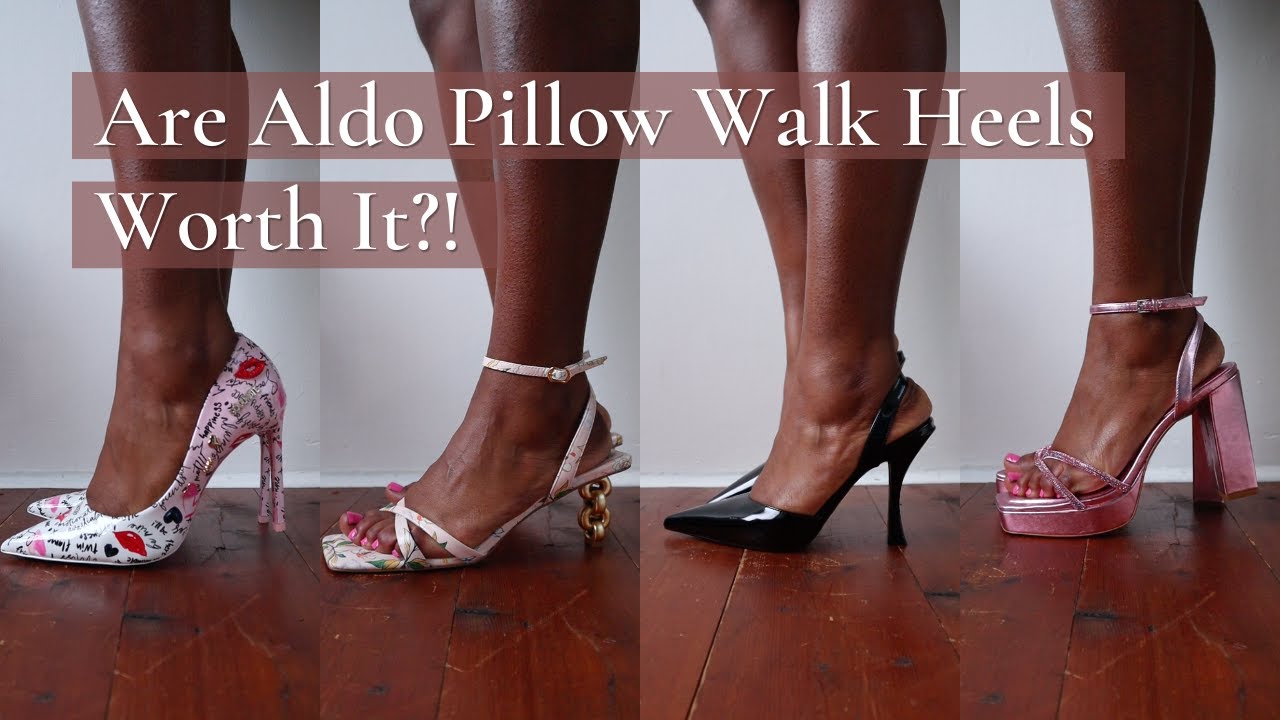
Watch: Comfort heels put to the test
TLW Shoes vs alternatives
The most direct comparison is Vivaia, the best-known name in fashion-comfort: strong on knitted, machine-washable flats and heels with a sustainability story, similarly priced, and similarly online-first — but its aesthetic is distinctively knit-textured, where TLW plays closer to classic dress styling, and TLW’s men’s range widens the audience. Rothy’s runs the same playbook with a cult following and premium pricing, strongest in flats and loafers rather than true heels. Traditional comfort stalwarts like Clarks or Ecco bring decades of proven construction and physical stores to try things on, but their styling still reads sensible-first, which is exactly what the luxury-comfort crowd is escaping. Fast fashion undercuts everyone on price and matches anyone on looks, with comfort as an afterthought. TLW’s lane is the practical middle: dressier than the knit brands, more fashionable than the heritage names, better built than the disposable end — and, like all its online-first peers, dependent on you doing your sizing homework.
Quality, shipping & support
Construction quality in comfort footwear shows up in the parts you cannot photograph: footbed materials that keep their cushioning past the first month, uppers that flex without creasing into cardboard, heels seated straight and solidly. TLW presents as a properly made mid-market shoe — comfortably above fast-fashion construction — with the honest caveat that a growing brand cannot yet show the decade-long durability record heritage shoemakers point to. Inspect seams, heel seating and sole bonding when the box arrives, as with any shoe.
Shipping follows the standard direct-to-consumer pattern: dispatch within a few business days, delivery by regular carriers, typically a week or two depending on region, with sale periods stretching things. Because fit is the category’s big risk, the returns process matters more than delivery speed — check the current window, whether return shipping is on you, and the condition requirements before ordering, and keep the box until the fit verdict is in.
Support runs through the usual online channels, and the questions that matter — sizing advice, exchange logistics, stock timing — are the ones to test it with before a large order. Brands generally answer fit questions readily because it reduces their returns burden, and a quick pre-purchase sizing enquiry is a fair audition of the service you would rely on if something went wrong.
What real customers say
Feedback around luxury-comfort footwear brands follows a recognisable pattern, and TLW’s buyers appear to fit it: the happiest customers are converts who describe wearing heels or dress shoes for a full workday or wedding without the usual countdown to pain, and repeat purchasing across categories — a heel buyer returning for boots — is the strongest recurring signal. Compliments-received-per-wear features surprisingly often, which is the point of the category: shoes that read as fashion while behaving like comfort.
Criticisms, where they appear, are the predictable ones for online footwear: sizing surprises for shoppers who skipped the chart, occasional waits on popular sizes, and the odd buyer for whom a particular last simply did not suit their foot — no shoe fits every foot, whatever the engineering. Review volume for a growing brand is modest next to household names, so treat the picture as encouraging rather than definitive, and weight detailed recent reviews — especially ones that mention foot shape and sizing — most heavily.
Who should buy — and who should not
Buy from TLW if your week genuinely demands both polish and mileage: office days that end in dinners, event seasons, business travel, city walking in clothes that rule out trainers. It suits shoppers upgrading from fast-fashion shoes whose per-wear economics have stopped making sense, and anyone whose feet have started overruling their wardrobe.
Skip it if you need the absolute lowest price and wear dress shoes twice a year — rental-level usage does not justify engineered footwear — or if you require fitted, podiatric or orthopaedic footwear for a diagnosed condition, which is a job for a specialist fitter rather than any fashion brand, however comfortable. And if you cannot abide buying shoes without trying them on first, a brand with physical stores will always suit you better than any online-first label.
Honest limits
Let us be plain about the boundaries. Comfort is partly subjective and heavily foot-shape-dependent: no last fits everyone, and “all-day comfort” claims — anyone’s, including those repeated in this review — deserve healthy discounting until your own feet confirm them. TLW is a growing direct-to-consumer brand, so styles rotate, stock fluctuates and long-term durability data is thinner than for heritage shoemakers. Prices, ranges, shipping and returns terms change without notice, so verify the current details on the site rather than relying on any review, including this one. And persistent foot pain is a medical question, not a shopping one.
TLW Shoes discount codes & deals
Direct-to-consumer footwear brands lean on a steady promotional rhythm — seasonal sales, end-of-line clearances, first-order codes and occasional sitewide events — and the picture changes month to month. Before you order, it is worth thirty seconds to check our deals hub, where we list current verified TLW Shoes codes alongside offers from other footwear brands. Timing a purchase to a seasonal sale and stacking a working code is reliably the cheapest way to build out a rotation.
Frequently asked questions
Are TLW heels really comfortable enough for all-day wear? That is the design brief — cushioned footbeds, walkable heel geometry and softened uppers — and the pattern of customer feedback supports it for most wearers. Comfort remains foot-dependent, though, so treat your first pair as a personal trial rather than a guarantee.
Does TLW make shoes for men as well as women? Yes — the catalogue covers both, spanning dress styles, boots, sneakers and sandals, with the same comfort-first construction across the range.
How do I get the sizing right when buying online? Measure both feet at the end of the day, buy for the larger foot using the brand’s size chart, and try the shoes indoors first so a return stays possible. When between sizes on a comfort shoe, roomier usually wins.
Do the shoes need breaking in? The softened uppers are meant to minimise the traditional breaking-in ordeal, and most comfort-engineered shoes feel close to final on day one. Give any new pair a couple of short indoor wears before its first long day regardless.
What is the returns position if the fit is wrong? Online footwear lives on its returns policy, and terms change, so check the current window and condition requirements at checkout. Unworn-indoors and original box are the usual conditions across the industry.
How does TLW compare with Vivaia or Rothy’s? Same category, different accents: the knit brands lean casual and textile-led, while TLW plays closer to classic dress styling and covers men’s shoes too. Pricing is broadly comparable, so the choice is mostly aesthetic.
Are there discount codes for TLW Shoes? Periodically, yes — seasonal sales and promotional codes appear through the year. We track the working ones on our PrimeVouch deals hub, so check there before you buy.
Building a shoe rotation that saves your feet: a practical guide
The cheapest upgrade in footwear is not a better shoe — it is a better rotation. Feet suffer most when the same pair absorbs every day’s miles, so build a small squad and never wear the same shoes two days running: cushioning needs a day to decompress, linings need a day to dry, and your feet benefit from varied pressure points. A working minimum is four pairs — an everyday sneaker or flat for mileage days, a dress shoe or heel for polish, a boot for weather, and a sandal or seasonal pair — chosen so every regular event in your calendar has a shoe that fits the job. Buy replacements on schedule rather than sentiment: cushioning dies invisibly long before uppers look worn, so demote high-mileage pairs to short errands even if they still photograph well. Store shoes dry and aired, use a shoe tree or stuffing for structured pairs, and spread acquisitions across sales seasons — boots in spring, sandals in autumn. One good comfort-engineered pair per category will beat a wardrobe of impulse buys on both cost per wear and how your feet feel on Friday. Finally, listen to feedback: recurring hot spots, numbness or arch pain are data, and if they persist across sensible shoes, the next purchase should be a podiatrist appointment, not another pair.