


The supplement aisle — physical or digital — is one of the noisiest places in consumer health, full of bold promises and brands younger than the ingredients they sell. Supersmart is a different sort of operation: a European supplement company established in the 1990s, with a broad catalogue spanning everyday vitamins and minerals through to specialty formulations aimed at more specific goals. Its positioning is deliberately science-forward, and its products are manufactured to European Union standards — a regulatory environment strict about what goes into a capsule and what may be said about it.
A necessary note before anything else: this review is informational only. Supplements are not medicines, we make no claims about what any product will do for you, and the sensible first step before adding anything to your routine is a conversation with a doctor or pharmacist — especially if you take medication, are pregnant, or manage a health condition. What we can usefully review is the brand itself: its catalogue breadth, label transparency, pricing, and how it compares with rivals competing for the same spend.
PrimeVouch Score: 8.1/10 — a long-established, transparency-minded supplement house with an unusually deep catalogue and EU manufacturing discipline behind it. It loses points for premium pricing versus marketplace giants, and for a catalogue so large that newcomers can find it genuinely hard to know where to start.
Best for: shoppers who want a single established European source for their supplements rather than a marketplace lottery; label-readers who care about stated forms and dosages; and people whose healthcare professional has suggested a specific nutrient and who now want a credible place to buy it.
What we loved:
- Three decades of history — in an industry where brands appear and vanish yearly, longevity is itself a useful signal.
- A science-forward culture: products are presented with references and rationale rather than miracle language.
- EU manufacturing standards, which impose real discipline on ingredient quality, labelling and permitted claims.
- Genuine catalogue depth, from everyday vitamins and minerals to specialty formulations that are hard to find elsewhere.
- Labels that state forms and dosages plainly, which makes comparison shopping — and conversations with your doctor — easier.
What could be better:
- Prices sit above marketplace giants and supermarket own-brands; you are paying for the sourcing and standards story.
- The sheer size of the catalogue can overwhelm newcomers — a first-time visitor faces hundreds of choices.
- Like all supplements, effects are individual and modest by nature; anyone expecting dramatic results will be disappointed.
- International shipping costs and delivery times vary by region, so the value case changes depending on where you live.
What makes Supersmart different
Two things separate Supersmart from the crowd, and the first is simply age. The company dates back to the 1990s, which in supplement-industry terms makes it a veteran, and longevity here means accountability — a brand with decades of customers and a European regulatory record has far more to lose from a bad batch than a dropshipped label invented last spring. The second is its science-forward posture: products are catalogued with their rationale, ingredient forms and dosages up front, and the marketing leans on research citations rather than transformation photos.
The EU context matters more than casual shoppers realise. European food-supplement rules are comparatively strict about permitted health claims, novel ingredients and labelling, which is why serious European brands phrase benefits carefully — products are intended to support normal function rather than treat anything. Supersmart operates inside that culture, and it shows in the catalogue’s tone. None of this makes any capsule magic: supplements complement a varied diet and healthy lifestyle, they do not replace either, and whether a given nutrient makes sense for you is a question for a healthcare professional, not a product page.

The star product
Supersmart is a catalogue brand rather than a one-hero-product brand, so the honest answer to “what is the star?” is the core essentials range: the vitamins, minerals and staple nutrients that make up most people’s actual supplement spending. What distinguishes them here is execution rather than novelty — the catalogue tends to specify which form of a nutrient is used and why, at dosages set out plainly on the label, manufactured under EU standards. For the shopper advised by a professional to consider a specific nutrient, that clarity lets you check the form and dose against the advice you were given.
The same logic makes this range the sensible entry point to the brand. Rather than diving into the exotic end of the catalogue, start with something simple you already use or have discussed with your doctor, and judge the fundamentals: labelling clarity, capsule quality, packaging, delivery experience. And a reminder the brand’s own regulatory environment enforces: these products are intended to support normal bodily functions as part of a healthy lifestyle — they are not treatments, and anyone with a health concern should be talking to a professional first and shopping second.
The rest of the range
Vitamins & minerals
The backbone of the catalogue covers the familiar territory — the major vitamins and minerals in a variety of forms and dosages. The useful differentiator is choice within each nutrient: multiple forms and strengths rather than a single take-it-or-leave-it option, with labels that let you see exactly what you are comparing. That granularity is aimed at label-readers, and at people matching a purchase to specific professional advice.
Specialty & niche formulations
Beyond the staples sits the part of the catalogue that built the brand’s reputation among supplement enthusiasts: specialty and combination formulations, including ingredients that are genuinely hard to source from mainstream retailers. This is also where a skeptical mindset matters most — the more novel an ingredient, the thinner the human evidence tends to be, so read the product rationale critically and treat anything in this aisle as strictly optional. Interesting is not the same as necessary.
Multi-packs & loyalty savings
Because supplements are consumables bought on a cycle, the economics improve with multi-unit purchases, and the store’s periodic promotions and loyalty mechanics reward regulars. The sensible pattern: buy a single unit first, confirm the product and the brand experience suit you, and only then commit to multi-month quantities — capsules have shelf lives, and a stockpile of something you abandon is money composted.

Price & value
Supersmart prices as a premium European specialist, not a discount marketplace — typically above the big online supplement retailers, in exchange for the sourcing, manufacturing standards and label transparency described above. Exact prices vary widely by product, format and promotion, so treat the figures below as broad, typical ranges rather than quotes, and check the site for current pricing before you order.
| Product type | Typical price range | Notes |
|---|---|---|
| Core vitamins & minerals | ~$15–$40 per bottle | The sensible entry point; forms and dosages stated plainly |
| Specialty formulations | ~$25–$70 per bottle | Niche and combination products; prices reflect ingredient costs |
| Multi-packs | varies — typically 5–15% saved | Best per-bottle economics once you know a product suits you |
| Shipping | varies by region | Thresholds for reduced or free delivery change; check at checkout |
Whether the premium is worth it depends on what you are buying. For a commodity nutrient where any reputable product will do, a cheaper marketplace bottle may be perfectly rational. The case for paying more strengthens when the specific form and dose matter to you, when you value EU-regulated manufacturing, or when you are buying specialty ingredients where trust in the supplier is most of the product. The cheapest supplement is the one you did not need — another argument for professional advice before spending anything.
How to choose wisely
- Start with a professional, not a catalogue: a doctor or pharmacist — ideally with blood work where relevant — can tell you whether a nutrient is even worth considering for you.
- Read the label for the form and the dose, not the front-of-pack name; two products with the same headline nutrient can differ enormously.
- Check for interactions: supplements can interact with medicines, and your pharmacist can screen this in minutes.
- Buy one bottle first, note how you get on over several weeks, and resist stocking up on anything you have not finished once.
- Introduce one product at a time — if you change three things in a week, you will never know which one mattered, for better or worse.
One extra habit worth stealing from careful supplement users: keep a simple list of everything you take, with doses, and bring it to every medical appointment. It makes professional advice sharper and prevents the cabinet quietly filling with overlapping products nobody remembers starting.
Common buying mistakes to avoid
The classic mistake in this category is buying to a symptom rather than to advice — self-diagnosing from a search engine, then ordering a stack of products to match. It wastes money at best, and at worst delays a real conversation with a doctor about something that deserved one. Almost as common is ignoring the label: choosing by product name and price while overlooking form and dosage, which is where products genuinely differ. Shoppers also routinely over-buy on first contact — a multi-month stockpile of something untested — and take several new products at once with no note of what changed. And treat any supplement marketing anywhere that promises to cure, treat or prevent a disease as a red flag; reputable EU-regulated brands frame products as supporting normal function — careful framing is what compliance looks like.
Watch: How to choose supplements wisely
Supersmart vs alternatives
The obvious comparison is iHerb, the giant marketplace: it wins decisively on price and brand selection, with tens of thousands of products and aggressive discounting, but it is an aggregator — quality varies by the brand you happen to pick, and the curation is left to you. Big US science-positioned brands such as Life Extension or Thorne compete more directly on the research-forward positioning, though their regulatory context is American rather than EU and their European availability varies. At the commodity end, supermarket and pharmacy own-brands cover the basic vitamins at the lowest prices, perfectly adequately for simple needs, but with none of the form-and-dose granularity or specialty range. Supersmart’s lane is specific: a single accountable European manufacturer with three decades of history, strict-regime manufacturing, and a catalogue deep enough to cover both staples and hard-to-find specialty ingredients. If price is everything, the marketplaces win; if you want one trusted source and are willing to pay the premium for it, this profile is exactly what you are paying for.
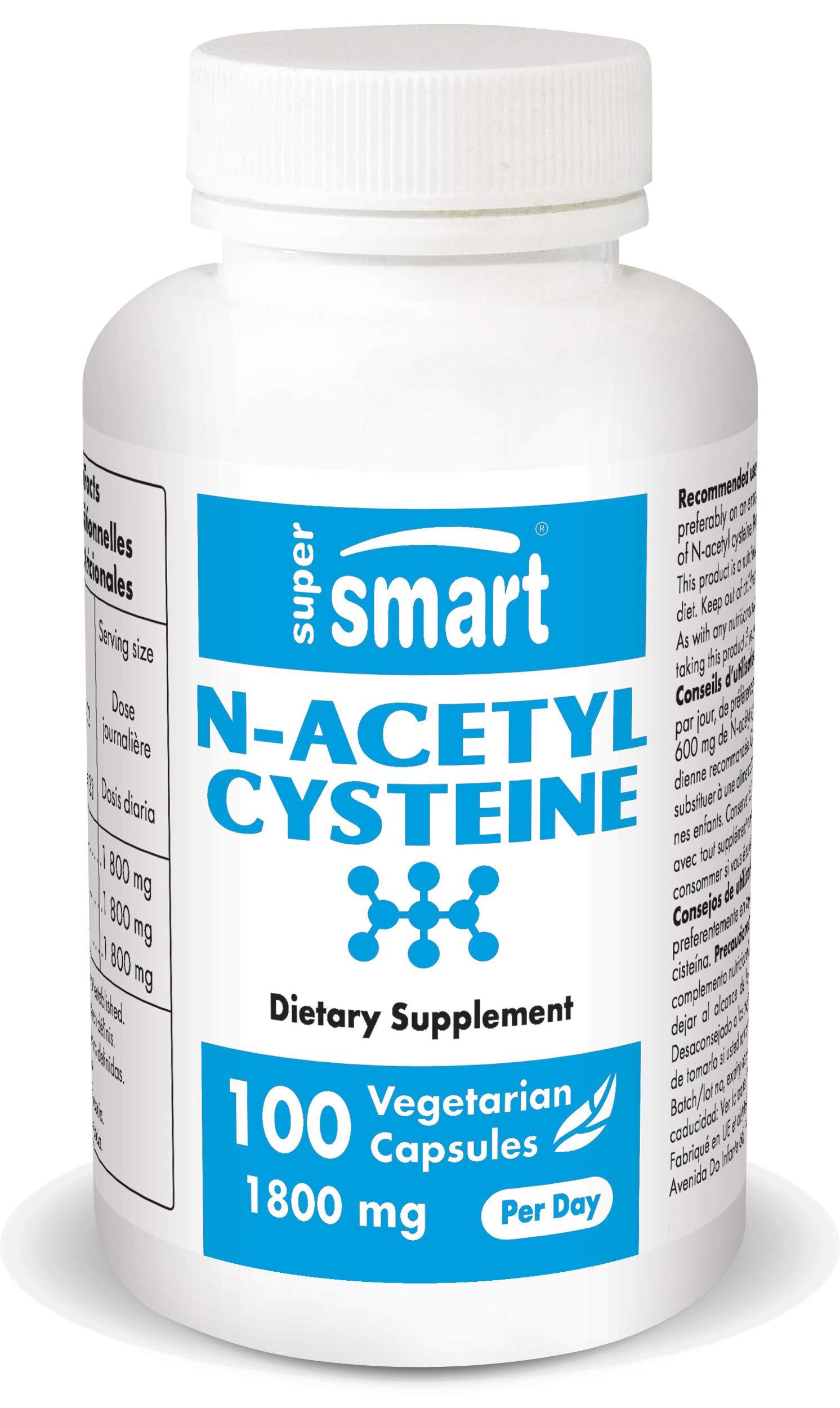
Quality, shipping & support
Quality is the core of the pitch. EU food-supplement manufacturing imposes real requirements on ingredient identity, contaminant limits and labelling accuracy, and a company that has operated in that regime since the 1990s has been audited, in effect, by time. The catalogue’s habit of naming ingredient forms is a good transparency signal: something concrete to verify rather than a vibe to trust.
Shipping is international, with the usual caveats: delivery speed and cost depend heavily on your region, customs can add friction outside Europe, and thresholds for reduced or free shipping change with promotions. Supplements travel well, so damage is rarely an issue; timing is the variable to plan around, especially when reordering a product you take daily — reorder before the bottle is empty, not after.
Support runs through the standard multilingual customer-service channels, and the returns picture is typical for the industry: policies on opened consumables are restrictive for safety reasons, so check the current terms before ordering, especially internationally. Order confirmations, batch labelling and the general paperwork discipline are what you would expect from a long-established European operation — unglamorous, and reassuring.
What real customers say
Aggregated feedback for long-running European supplement brands tends to follow a stable pattern, and Supersmart appears to fit it: satisfied customers cite the catalogue depth, the label clarity and the sense of buying from a real manufacturer rather than a marketplace stall, and many are long-term repeat buyers — the strongest signal a consumables brand can have. The specialty range draws particular loyalty from enthusiasts who struggle to find those ingredients reliably elsewhere.
Criticisms, where they appear, are the expected ones: pricing versus discount marketplaces, occasional shipping friction outside the brand’s home regions, and the perennial complaint that effects are hard to perceive — honestly a category truth rather than a brand failing, and a reason to anchor purchases in professional advice rather than expectation. Individual experiences vary and reviews skew toward the vocal; weight recent, detailed reviews most heavily and treat the aggregate as directional.

Who should buy — and who should not
Buy from Supersmart if you already know — ideally with professional input — what you are looking for, and you want it from an established European manufacturer with transparent labels and strict-regime production. It suits label-readers, people consolidating scattered marketplace purchases into one accountable source, and anyone seeking specialty ingredients that mainstream retailers simply do not stock. The premium buys provenance and clarity — for many long-term users, exactly the trade they want.
Skip it if your needs are simple and budget-led — a basic supermarket vitamin bought consistently beats a premium one bought sporadically — or if you are shopping to fix a symptom nobody has looked at, in which case the right purchase is an appointment, not a capsule. And skip the entire category if you are expecting supplements to substitute for diet, sleep, exercise or prescribed treatment; no reputable brand, this one included, positions them that way.
Honest limits
Let us be plain about the boundaries. This review is informational, not medical advice: we have assessed Supersmart as a retailer and manufacturer — its history, standards, catalogue and pricing — not the efficacy of any product, which varies by person and is a question for the research literature and your healthcare professional. Supplements are intended to support normal function within a healthy lifestyle; they do not treat, cure or prevent disease, and anyone taking medication or managing a condition should speak to a doctor or pharmacist before adding anything. Prices, formulations, availability and shipping terms change without notice, so verify the details on the site rather than relying on any review, including this one.

Supersmart discount codes & deals
Established supplement brands run steady promotional calendars — seasonal sales, multi-buy pricing, newsletter offers and occasional first-order codes — and the picture changes month to month. Before you order, it is worth thirty seconds to check our deals hub, where we list current verified Supersmart codes alongside offers from other wellness retailers. Applying a working code to a planned multi-pack reorder — of something you already know suits you — is reliably the cheapest way to buy.
Frequently asked questions
Is Supersmart a legitimate, established brand? Yes — it is a European supplement company dating back to the 1990s, manufacturing to EU standards with a large multilingual catalogue. Longevity and regulatory context are two of its strongest signals.
Will these supplements work for me? That is not a question any honest review can answer. Products are intended to support normal function as part of a healthy lifestyle, effects are individual, and the right starting point is a conversation with a doctor or pharmacist about your situation.
Can I take Supersmart products alongside my medication? Do not assume so — supplements can interact with medicines. Bring the specific product label to your pharmacist or doctor and ask before starting anything new.
How do EU standards differ from US supplement rules? Broadly, the EU regime is stricter about permitted health claims and novel ingredients, which is why European brands phrase benefits cautiously. Careful wording on a label is a compliance feature, not a lack of confidence.
Does Supersmart ship internationally? Yes, though delivery times, costs and customs handling vary considerably by region. Check the shipping options and any free-delivery thresholds at checkout for your country before ordering.
Where should a first-time buyer start? With something simple you have already discussed with a professional — a basic vitamin or mineral — in a single bottle. Judge the label clarity, quality and delivery experience before exploring the specialty catalogue or committing to multi-packs.
Are there discount codes for Supersmart? Periodically, yes — seasonal promotions and multi-buy offers appear through the year. We track the working ones on our PrimeVouch deals hub, so check there before you buy.
Reading a supplement label like a skeptic: a practical guide
The single most valuable supplement skill costs nothing: reading the label the way an auditor would. Start with the ingredient form, not the marketing name — the same nutrient can appear in forms with very different absorption characteristics, and a label that names the exact form is being more honest than one that does not. Check the dose per serving against the serving size, because a “per day” number that quietly requires six capsules is a pricing trick as much as a formulation choice. Look at the other-ingredients list for fillers, colourants and allergens; shorter is generally better. Treat proprietary blends with suspicion — a blend that hides individual doses behind a total is asking you to trust what it will not disclose. Find the batch number and expiry date; their absence is disqualifying. Then read the claims with EU-style eyes: phrases like “intended to support” are what regulation-compliant honesty sounds like, while anything promising to treat, cure or prevent a condition is either non-compliant or lying, and both are reasons to close the tab. Cross-check any research citation that matters to you — a reference to a study on a different form, dose or population is decoration, not evidence. Finally, put the label in front of your pharmacist or doctor before the product goes in your basket: it is a two-minute conversation that screens for interactions and converts marketing into a decision. The skeptic’s habit is not cynicism — it is simply insisting that a product earn its place in your routine.