
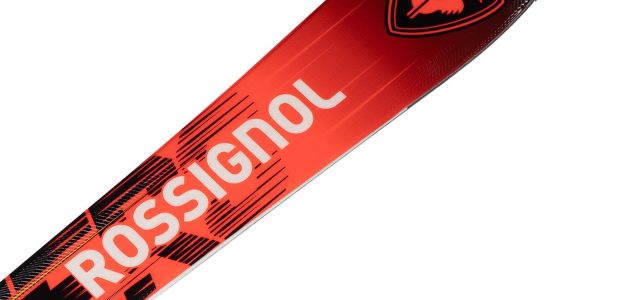

When you’re hunting for a new pair of skis or a fresh set of boots, the market feels like a snowstorm of choices. You might wonder: “Does Rossignol really deliver on performance and durability, or is it just another name riding on its historic reputation?” This is the exact question that drives most shoppers to the review pages, seeking an honest, no‑fluff verdict before they click “add to cart.”
In this review we break down Rossignol’s heritage, product line‑up, and how the brand stacks up against its rivals. We’ll look at real‑world feedback from the slopes, discuss the technology that actually matters, and point out where the company falls short. By the end you’ll know whether a Rossignol set is worth your hard‑earned money or if you should keep looking.
PrimeVouch Score: 8.2 / 10
Best for: Intermediate to advanced skiers who value a blend of tradition and modern tech.
What we loved: Consistent edge grip, versatile product range, and strong resale value.
Watch out for: Premium pricing on flagship models and occasional fit inconsistencies in boots.

What makes Rossignol different
Founded in 1907, Rossignol has spent more than a century perfecting the art of ski equipment. While many brands rely heavily on marketing hype, Rossignol’s differentiator lies in its deep‑rooted R&D facilities, especially the renowned R‑Series lab in the French Alps. Engineers there test prototypes on real snow at altitude, allowing them to fine‑tune flex patterns, vibration damping, and sidecut geometry under authentic conditions.
The company’s signature technologies—such as “HRZN Tech” for enhanced stability and “LCT (Line Control Technology)” for smoother turn initiation—are not just buzzwords. They stem from decades of data collection on how different snow conditions affect ski behaviour. Moreover, Rossignol maintains a strong commitment to sustainability, using recycled composites in several models and reducing waste in its manufacturing processes.
Another subtle advantage is the brand’s extensive dealer network. Whether you’re in a mountain town or a city suburb, you’ll likely find a certified Rossignol retailer offering professional boot fitting and on‑site maintenance, which can be a decisive factor for skiers who need reliable after‑sales support.
The star product
Among the extensive catalogue, the Rossignol Experience 88 consistently earns top marks from both reviewers and everyday riders. It sits in the “all‑mountain” category, meaning it’s engineered to perform on groomed runs, off‑piste powder, and even in mixed conditions.
The Experience 88 features a “Space Frame” core that combines lightweight wood with carbon reinforcements. This construction delivers a lively yet stable feel, allowing skiers to transition from aggressive carving to playful skidding without a noticeable loss of edge hold. The sidecut is moderate—a 16‑meter radius—that offers a sweet spot for both quick short turns and longer sweeping arcs.
On the surface, the ski is finished with a subtle “snow‑flake” pattern, which not only looks sleek but also helps reduce friction on icy patches. The integrated “Air Tip” technology lifts the ski tip slightly, improving floatation in soft snow while still maintaining crispness on hardpack.
Feedback from owners highlights the ski’s durability. After several seasons of regular use, most users report minimal delamination or edge dulling, attributing this resilience to the high‑grade steel edges and reinforced sidewalls. However, a few skiers note that the boot‑binding interface can feel a bit tight if you have a broader foot, suggesting that a professional boot fitting is advisable.

The rest of the range
Performance models
Rossignol’s performance line includes the Hero Elite series for race‑oriented skiers and the Super 7 series for those who crave aggressive off‑piste capability. Both lines incorporate the brand’s LCT for precise edge control, but the Hero Elite leans toward a stiffer flex, making it less forgiving for novices.
Recreational models
If you’re more interested in casual cruising, the Rocker 7 and Nova 6 models offer softer flex patterns and wider waist widths, which translate to easier turn initiation and better float in fresh snow. These skis are priced lower than the flagship models, making them attractive entry points for families and weekend riders.
Boots and bindings
Rossignol’s boot lineup mirrors its ski philosophy. The Rosa 100 and Rosa 80 cater to women, featuring a heat‑moldable liner and a responsive cuff that enhances power transfer. Men can look at the Rox 120 for a stiff, race‑ready feel, or the Rox 80 for a more forgiving ride. Bindings such as the R‑Series 13 provide a solid DIN range and a low profile that reduces toe‑overhang.
How to choose
Picking the right Rossignol product starts with assessing your skill level, preferred terrain, and budget. Here’s a quick decision tree:
- Beginner to intermediate: Aim for the Nova or Rocker series, which offer forgiving flex and easy turn initiation.
- Intermediate to advanced: The Experience series hits the sweet spot for versatility across varied conditions.
- Advanced/Expert: Consider the Hero Elite or Super 7 for specialized performance on groomers or deep powder.
When it comes to boots, try on at least two sizes and focus on heel hold; a snug heel reduces energy loss during aggressive carving. Finally, match your bindings to your ski’s intended use—higher DIN settings for aggressive skiers, lower for casual riders.
Rossignol vs the alternatives
| Feature | Rossignol | Salomon | Atomic |
|---|---|---|---|
| Core technology | Space Frame with wood‑carbon blend | Custom Core with Energy™ | Power Woodcore |
| Edge grip on icy snow | High‑grade steel, HRZN Tech | Full Sidewall, Edge Grip | Full Sidewall, Titanium |
| Weight (average per 170 cm ski) | Medium‑light | Medium | Medium‑heavy |
Price and value
Rossignol positions itself in the mid‑to‑high price bracket. While you won’t find the cheapest entry‑level skis here, the brand’s reputation for durability and resale value often offsets the initial outlay. For example, a well‑maintained Experience 88 typically retains a larger portion of its original price after a season or two, compared with some lower‑cost competitors that may show noticeable wear.
If you’re budgeting, the Nova or Rocker series provide a more accessible entry point without sacrificing core performance. Keep in mind that investing in a proper boot fitting session can save you money in the long run by preventing premature wear and improving on‑snow efficiency.

Who should buy — and who should skip it
Buy if you: are an intermediate to advanced skier who values a blend of tradition, reliable performance, and a strong dealer network for fitting and service. You’ll also benefit if you plan to keep your equipment for several seasons, as Rossignol’s build quality pays off over time.
Skip if you: are a beginner on a very tight budget, or you need a ski that is ultra‑lightweight for backcountry touring. In those cases, dedicated lightweight brands may offer more specialized solutions.
Honest limits
Even with its many strengths, Rossignol isn’t perfect. The flagship models can feel pricey, especially when you add bindings and boots to the mix. Some users have reported that the brand’s boot liners, while comfortable initially, may compress faster than expected, requiring periodic replacement. Additionally, the aesthetic design leans toward classic Alpine looks, which may not appeal to riders who prefer bold, modern graphics.
Rossignol discount codes and deals
To stretch your budget a bit further, keep an eye out for seasonal promotions on the official site or authorized retailers. Discounts often appear during end‑of‑season sales, holiday events, or when you sign up for the brand’s newsletter.
Frequently asked questions
What is the typical lifespan of a Rossignol ski?
With regular maintenance—edge sharpening, base repair, and proper storage—a Rossignol ski can comfortably last 5 to 7 seasons, depending on usage intensity and terrain.
Are Rossignol boots suitable for women?
Yes, Rossignol offers a dedicated women’s line (the Rosa series) that features a narrower last, heat‑moldable liners, and softer flex profiles tailored to female biomechanics.
Do Rossignol skis work with all binding brands?
Rossignol skis use the standard 2‑pin mounting system, making them compatible with most major binding manufacturers, including Salomon, Marker, and Look.
How does Rossignol address sustainability?
The brand incorporates recycled aluminum and bio‑based resins in several models, and it has committed to reducing carbon emissions across its production facilities.
Can I use Rossignol skis for backcountry touring?
While some Rossignol models have touring‑compatible bindings, the brand is primarily focused on resort and all‑mountain performance. For dedicated backcountry gear, you might look at specialists like Dynafit or Black Crows.
Is there a warranty on Rossignol products?
Rossignol typically offers a limited warranty covering manufacturing defects for a period of two years from the date of purchase. Exact terms can vary by region and retailer.
A buyer’s closing guide
Choosing the right ski equipment is a personal decision that hinges on skill level, terrain preference, and budget. Rossignol delivers a compelling mix of heritage, technology, and durability that makes it a solid choice for many riders. If you align with the brand’s strengths—versatile performance, reliable after‑sales support, and a resale-friendly market—then the investment is likely to pay off on the slopes.
Remember to test the equipment if possible, get a professional boot fitting, and factor in any available discounts. With thoughtful selection, Rossignol can become a trusted companion for many seasons to come.
PrimeVouch Score: 8.2 / 10