

The gap between a salon gel manicure and anything you can do at home used to be embarrassingly wide: polish chipped in days, press-ons looked like press-ons, and full DIY gel kits demanded the skills of a technician. ohora built its reputation by shrinking that gap. The Korean brand makes semi-cured gel nail strips — real gel polish, about sixty percent cured, sold as flexible stickers that you smooth onto your nails, trim and then harden under a small LED lamp. The result sets fully on your nail, so it fits your curve like a salon gel rather than sitting on top like a plastic tip, and it has made ohora one of the biggest names K-beauty has exported to the manicure world.
For this review we looked at how the semi-cured system actually performs, what the range covers across nails, pedicures and the tools around them, typical pricing, and how ohora compares with rivals like Dashing Diva, classic press-ons and the salon habit it is designed to replace. Gel-at-home is a category full of overpromising, so we also spend time on removal, nail health and who should not bother. As always on PrimeVouch, this is an independent editorial review: weak spots get called out alongside strengths, and we hedge where details change from season to season.
PrimeVouch Score: 8.8/10 — the most convincing salon-alternative manicure we have seen in strip form: genuine gel finish, designs that look editorial rather than novelty, and wear time that embarrasses regular polish. It loses points for a fiddly learning curve on the first set or two, sizing that will not fit every nail bed perfectly, and per-set pricing that adds up for weekly manicure people.
Best for: anyone paying salon prices for gel every few weeks who wants most of the look for a fraction of the cost; busy people who can spare thirty minutes at home but not two hours at a salon; and nail-art fans who want intricate designs without paying by the stroke.
What we loved:
- The semi-cured trick genuinely works: strips flex to fit, then cure to a hard, glossy, salon-grade gel finish.
- Design range is enormous and taste-led — from clean glazed neutrals to seasonal art you would happily pay a salon for.
- A full manicure takes roughly half an hour at home, with no drying time once cured.
- Wear time of a week or two for most users beats regular polish by a distance.
- Matching pedicure lines, care products and removal kits make it a complete system, not a single gimmick.
What could be better:
- The first application has a learning curve — sizing, smoothing and trimming take a set or two to master.
- Strip sizes cannot match every nail width and curve; some hands need more trimming and compromise than others.
- Removal must be done gently and properly, or you can damage the nail surface like any gel product.
- At a set per manicure, weekly users will find costs creeping toward drugstore-salon territory over time.
What makes ohora different
Most stick-on nails are one of two things: fully hardened plastic press-ons, which fit no one perfectly, or printed polish strips, which wear like the thin stickers they are. Semi-cured gel is a genuinely different third category, and ohora is the brand most responsible for popularising it. Because the gel is only partially cured when applied, each strip is soft enough to stretch and conform to your specific nail curve; because it is real gel, the LED lamp then finishes the job on your hand, bonding a thick, glossy, durable layer that behaves like salon work. It is the difference between buying a garment and having one fitted.
The other differentiator is design culture. ohora operates like a K-beauty brand, which means relentless, fashion-aware releases: glazed and chrome effects, French twists, seasonal collections, subtle office-safe neutrals and full maximalist art. That cadence matters because manicures are fashion, and a system is only as good as wanting this month’s look. Add the surrounding system — pedicure lines, prep and care products, proper removal kits and the little lamp itself — and you get something closer to a complete at-home nail routine than a novelty product.

The star product
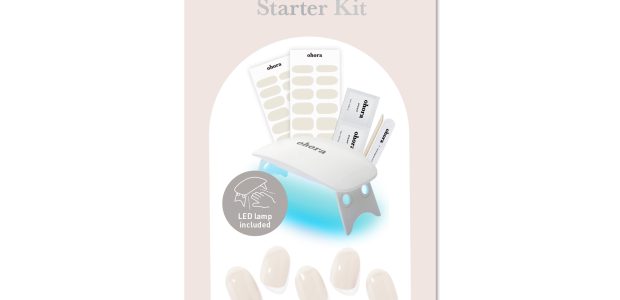
The heart of the range is the N-series nail set: a sheet of semi-cured gel strips in graded sizes, plus the prep and finishing bits, designed to deliver one full manicure with spares for the fiddly nails. Application is a calm little ritual — push back cuticles, clean the nail, pick the closest size, smooth the strip from cuticle to tip, trim and file the overhang, then cure under the lamp for under a minute per hand. From box to done is about thirty minutes once you have the knack, and there is no drying window in which to smudge everything you just did.
The finish is the selling point: thick, glassy and convincingly salon, with the design detail baked in rather than hand-painted — which is exactly how it delivers intricate art with zero skill. Worn properly on well-prepped nails, sets commonly last a week to two before edges lift, which is regular-polish territory doubled and respectable against salon gel at a fraction of the price. Real-world results vary with nail oils, hot water and how much your hands do all day, so your first set is best treated as a calibration run.
If you buy one thing from ohora, start with a simple, forgiving design in a neutral tone — solid colours hide imperfect placement while you learn, and one set tells you everything about fit and wear on your particular nails before you commit to bundles.
The rest of the range
Pedicure lines
The P-series applies the same semi-cured system to toes, where it borders on unfair advantage: pedicures are the awkward, slow salon service, and toenails — flatter, slower-growing and mostly in shoes — are ideal territory for gel strips. Wear time on feet typically outruns hands comfortably, and sandal season is where the pedi sets quietly become the best value in the catalogue.
Lamps, prep & care tools
The system needs its hardware: the compact LED lamp (sold with starter bundles or separately, and any comparable nail LED generally works), files, cuticle sticks and prep pads, plus nail-care products for the between-sets weeks. None of it is glamorous, but prep quality is the single biggest driver of wear time, so the boring aisle earns its place.
Removal kits & nail recovery
Removal is where gel products win or lose their nail-health argument, and ohora treats it as a product category rather than an afterthought: remover formulations and kits designed to release the cured gel gently instead of forcing it. Pair them with patience — soaked, lifted, never peeled dry — and rotate in rest weeks with a nourishing treatment if your nails feel thin. Skipping proper removal to save ten minutes is how gel gets its bad reputation, here as anywhere.

Price & value
Semi-cured gel sits in a clear band: pricier than polish strips and drugstore press-ons, dramatically cheaper than salon gel. Exact prices move with collections and promotions, so treat these as typical ranges rather than quotes and check the site before ordering.
| Product | Typical price range | Notes |
|---|---|---|
| Nail set (N-series) | ~$12–$18 | One full manicure per set, with spare strips |
| Pedicure set (P-series) | ~$14–$20 | Longest wear in the range; sandal-season hero |
| LED lamp | ~$15–$25 | One-time buy; bundles often include it |
| Removal & care products | ~$8–$15 | Protects nail health between sets |
| Bundles & multi-packs | ~$30–$60 | Best per-set economics for regulars |
The comparison that matters is the salon: a single gel manicure with art can cost more than three or four ohora sets, so anyone converting even part of a salon habit saves quickly, lamp included. Against a bottle of regular polish the maths flips — polish is pennies per wear if you do not mind the lifespan and lack of art. The honest verdict: excellent value as a salon replacement, an indulgence as a polish replacement, and bundles plus codes are how regulars keep the per-set number sensible.
How to get the best results
- Prep like it matters, because it does: clean, dry, oil-free nails with pushed-back cuticles are the difference between days and weeks of wear.
- Size down when between strips — a strip touching the skin at the edges will lift early; a sliver of bare nail is invisible under gloss.
- Smooth from the centre outward and seal the free edge by capping the tip before curing; edge-sealing is the biggest wear-time trick.
- Cure properly — every nail, full time, correct angle under the lamp — and add a second pass rather than gambling on a soft spot.
- Remove gently with the proper remover once edges lift, never by dry-peeling, and give nails an occasional rest week with cuticle oil.
One extra tip: apply in the evening. Freshly cured sets appreciate a few low-demand hours, and avoiding immediate dishwashing and hot showers noticeably stretches wear.
Common buying mistakes to avoid
The classic mistake is judging the system on a rushed first set — skipped prep, strips over cuticles, a quick dry-peel removal — and concluding it neither lasts nor spares your nails, when technique was the variable all along. Buyers also routinely order intricate statement designs first, which show every placement wobble a beginner makes; neutrals are the training wheels. Some skip the removal products to save money and undo the nail-health advantage entirely, and gift-buyers forget the lamp, leaving the recipient with beautiful strips they cannot cure. Finally, watch for lookalike listings on marketplaces: the category’s success has bred cheap imitations, and buying from official channels is the boring, reliable defence.
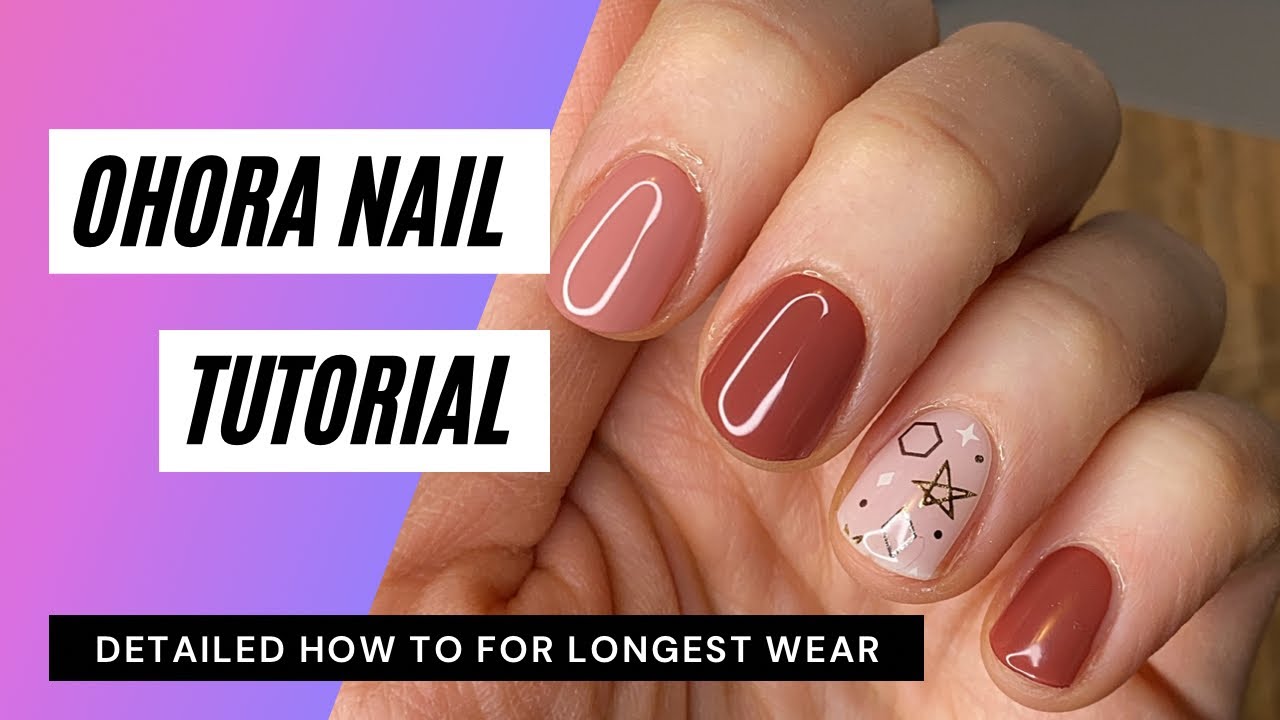
Watch: ohora semi-cured gel nails tutorial
ohora vs alternatives
The head-to-head everyone asks about is Dashing Diva, whose gel strips and Magic Press press-ons dominate US drugstore shelves: strong designs, easy availability and often slightly friendlier pricing, though ohora’s thicker semi-cured gel and lamp-cured finish reads closer to true salon work to most eyes, while Dashing Diva wins on grab-it-today convenience. Classic press-on brands such as Kiss and imPRESS are cheaper and faster still — no lamp, no trimming — but they fit like what they are and rarely survive real housework. Printed polish strips are the budget floor: fine for a weekend, not comparable on finish or lifespan. In the other direction sit full DIY gel systems — bottles, builder gels, proper skills — which out-perform strips in trained hands and overwhelm everyone else, and the salon itself, which still wins on shaping, repairs, complex art and someone else doing the work. ohora’s lane is the wide middle: people who want most of the salon result, at home, without acquiring a craft. In that lane, it is the benchmark the others get measured against.

Quality, shipping & support
Product quality is where the brand’s K-beauty DNA shows: consistent gel thickness, colour-true designs and sets that arrive with the graded sizes and spares the format needs. The semi-cured system is manufacturing-intensive compared with printing polish on a sticker, and it is the reason the category leader’s strips feel notably more substantial than bargain lookalikes. Expect normal cosmetic-industry caveats — occasional batch variation, designs that photograph slightly differently than they arrive — rather than structural complaints.
Shipping for US customers runs through the brand’s online store and major marketplaces, typically landing within days to a week domestically, with launches and holiday gifting seasons stretching that. Sets are small, light and robust in transit, so damage is rare; the lamp and bundles ship like ordinary small electronics. Check current free-shipping thresholds and promotions before checkout, as these move around, and allow buffer time if a set is a gift.
Support follows the established-brand pattern: help-centre and email channels, responsive around order issues, with the usual hygiene-driven limits on returning opened cosmetic products — so query sizing or design doubts before opening a set, not after. The brand’s size, compared with tiny indie sellers, means policies are published and processes exist; read the current returns terms before buying and raise problems promptly.
What real customers say
Aggregated feedback on semi-cured gel strips is unusually consistent, and ohora sits at the favourable end of it: the happiest customers are salon converts who report salon-adjacent finish, one to two weeks of wear and genuine disbelief at the compliment-to-cost ratio. Repeat purchase behaviour is strong — manicures are consumable, and people who master the application tend to build a small drawer of sets. Design variety and the pedicure line draw particular praise, and the learning-curve arc (“my second set lasted twice as long as my first”) appears constantly.
Criticisms are just as consistent: fit frustration from people whose nail beds sit between strip sizes, early lifting when prep was skimped or hands live in water, and occasional grumbles about price versus drugstore strips. A smaller group reports nail-surface roughness after removal — usually, though not always, the dry-peel confession follows. Volume of reviews is large by niche-beauty standards, which makes the overall pattern fairly trustworthy; weight recent feedback most heavily as formulations and collections evolve.

Who should buy — and who should not
Buy ohora if you are funding a regular salon gel habit and want to reclaim most of that money and time; if you love nail art but not nail-art prices; or if your schedule makes two-hour appointments a fantasy and a thirty-minute sofa manicure a realistic luxury. It is also a strong gift for the beauty-literate — a starter bundle with the lamp is a complete, self-contained present — and the pedicure sets are an easy win for anyone who resents paying full service prices for toes.
Skip it if your nails are currently damaged, peeling or paper-thin — let them recover before any gel product, and see a professional about persistent problems. Skip it too if you have zero patience for technique: the system rewards careful prep and punishes haste, and chronic dry-peelers will hurt their nails with any gel. And if a two-dollar polish bottle already makes you happy, semi-cured gel is a lovely upgrade you do not need.
Honest limits
Let us be plain about the boundaries. Semi-cured strips are a brilliant compromise, not a salon in an envelope: sizing is graded rather than custom, very curved or very wide nails will always need more trimming and accept more compromise, and no strip system repairs breaks or builds length the way a technician can. Wear time claims across this category describe careful users with good prep, not worst cases, and any gel product — this one included — can damage nails if ripped off carelessly. Collections rotate constantly, so a beloved design may be seasonal, and prices, bundles and shipping terms change without notice. Verify current details on the site rather than relying on any review, including this one.
ohora discount codes & deals
K-beauty brands promote hard: launch discounts, seasonal sales, bundle pricing and first-order codes cycle through the year, and the picture changes monthly. Because regulars buy sets repeatedly, a reliable code meaningfully changes the per-manicure cost — so before you order, take thirty seconds to check our deals hub, where we list current verified ohora codes alongside offers from other beauty brands. Stacking a working code with a bundle or multi-pack is reliably the cheapest way to buy in.
Frequently asked questions
How long do ohora nails actually last? Most careful users report one to two weeks on hands and longer on toes, with prep quality and lifestyle — water, typing, housework — driving the spread. First sets usually last less than third sets; technique is a real variable.
Do I need the ohora lamp specifically? You need an LED nail lamp to cure the strips, but comparable lamps generally work. The brand’s own compact lamp is inexpensive and sized to the job, which is why starter bundles are the usual entry point.
Are semi-cured gel strips bad for your nails? Applied and removed properly, they are among the gentler gel options — no drilling, no builder product. The damage stories almost always trace to dry-peeling or skipped removal steps, so budget the extra ten minutes.
Can I type, cook and wash dishes with them on? Yes — cured sets are hard, glossy and daily-life-proof. Long soaking in hot water is the main wear-time enemy, so gloves for heavy dishwashing genuinely help.
What if the strips do not fit my nail size? Sets include graded sizes and spares; when between sizes, choose the smaller and let gloss hide the sliver of bare nail. Very wide or very curved nails will need more trimming and may suit some collections better than others.
How is this different from press-ons or polish strips? Press-ons are pre-hardened tips glued on top of your nail; polish strips are thin stickers. Semi-cured gel conforms to your nail and then cures hard on it — closer to salon gel than to either.
Are there discount codes for ohora? Frequently — launches, seasonal sales and bundle promotions cycle year-round. We track the working ones on our PrimeVouch deals hub, so check there before you buy.
Making an at-home gel manicure last: a practical guide
Long-wearing home gel is mostly won before the first strip touches a nail, so build the routine around prep. Start with dry, product-free hands: wash, dry thoroughly, push back cuticles and swipe every nail with the prep pad or alcohol, because oil is the invisible saboteur of adhesion — and resist moisturising right before application, however virtuous it feels. Choose sizes with the smaller-is-better rule, smooth each strip from the centre out to chase air toward the edges, and cap the free edge by wrapping the strip slightly over the tip before curing; sealed edges are where weeks of wear are made. Cure generously — full time, every finger, angled so the lamp actually reaches thumb edges — and give the fresh set a gentle first evening: no hot baths, no dishes, no picking at the cuticle line to admire your work. Through the week, treat water as the main adversary: gloves for cleaning, quick showers over long soaks, and a dab of cuticle oil daily once the set has settled, since flexible surrounding skin reduces edge stress. When lifting starts, resist the peel — that thrilling rip takes nail layers with it; soak with proper remover, ease the gel off, buff lightly and let nails breathe for a few days with a strengthening treatment before the next set. Keep two or three sets in the drawer so a chipped week never sends you back to the salon out of desperation, and rotate a rest week in every month or so. Do this consistently and the at-home habit stops being a compromise and starts being the upgrade: salon-looking nails, on your sofa, at a fifth of the price.