


Most “Japanese” green tea sold in the West has never been near Japan, and most matcha lattes are made with culinary-grade powder that would make a Kyoto tea master wince. Nio Teas positions itself as the corrective: a specialist Japanese green tea brand offering more than fifty teas that are 100% made in Japan, sourced directly from Japanese farms. The range runs the full canon — ceremonial matcha, sencha, gyokuro, hojicha and beyond — and the brand has built its name on education as much as tea, teaching Western drinkers what properly grown and properly brewed Japanese tea actually tastes like.
For this review we looked at the range, the farm-direct sourcing story, how the flagship ceremonial matcha stacks up, what the teas typically cost against both supermarket green tea and venerable Japanese tea houses, and who genuinely benefits from buying at this level. As always, prices shift with harvests and stock, so treat our figures as typical ranges and check current pricing before ordering.
PrimeVouch Score: 8.7/10 — one of the most convincing specialist routes to real Japanese green tea outside Japan: farm-direct sourcing, a deep all-Japanese range and serious matcha. The deductions are the honest ones for the category — specialty prices, and a level of quality that casual teabag drinkers may not taste until their brewing technique catches up.
Best for: matcha drinkers ready to move from culinary powder to genuine ceremonial grade; green tea enthusiasts who want single-origin sencha and gyokuro rather than anonymous blends; and coffee converts looking for a cleaner caffeine ritual with less crash.
What we loved:
- Everything is 100% made in Japan and sourced from Japanese farms — no vague “Asian blend” hedging.
- A deep range of 50+ teas covering the whole Japanese canon: matcha, sencha, gyokuro, hojicha and more.
- Ceremonial matcha that behaves like the real thing — vivid colour, natural sweetness, no added bitterness to hide.
- Strong brewing education alongside the tea, which matters more in this category than almost any other.
- Options at multiple price tiers, so you can start sensibly and upgrade as your palate does.
What could be better:
- Specialty farm-direct tea costs several times supermarket prices — fair for the grade, but a real budget line.
- Harvest-driven stock means specific teas can sell out until the next picking.
- The range is deep enough to overwhelm a first-time buyer without a sampler to anchor on.
- Shipping times and costs vary by region, so international buyers should check before ordering.
What makes Nio Teas different
The Japanese tea supply chain is long, and most Western brands sit at the far end of it, buying blended lots from wholesalers and dressing them in bamboo-and-calligraphy branding. Nio’s model is shorter: teas sourced from farms in Japan and sold under a single specialist roof, with the origin story attached to the leaf rather than the logo. That matters because in green tea, freshness and cultivation genuinely show in the cup — shade-grown leaf, careful steaming and quick, cold storage are the difference between grassy-sweet umami and the bitter dishwater that puts people off the category for life.
The other thing that sets the brand apart is that it teaches. Japanese green tea is unforgiving of bad technique — boiling water ruins a fine sencha in seconds — and Nio surrounds its teas with genuinely useful guidance on temperatures, timings and tools. That educational bent, combined with a range built entirely from Japanese production rather than padded with flavoured blends, gives the brand a coherence most Western tea shops lack. You are buying from a specialist that does one country’s tea properly, not a candle company with a tea aisle.
The star product: ceremonial matcha
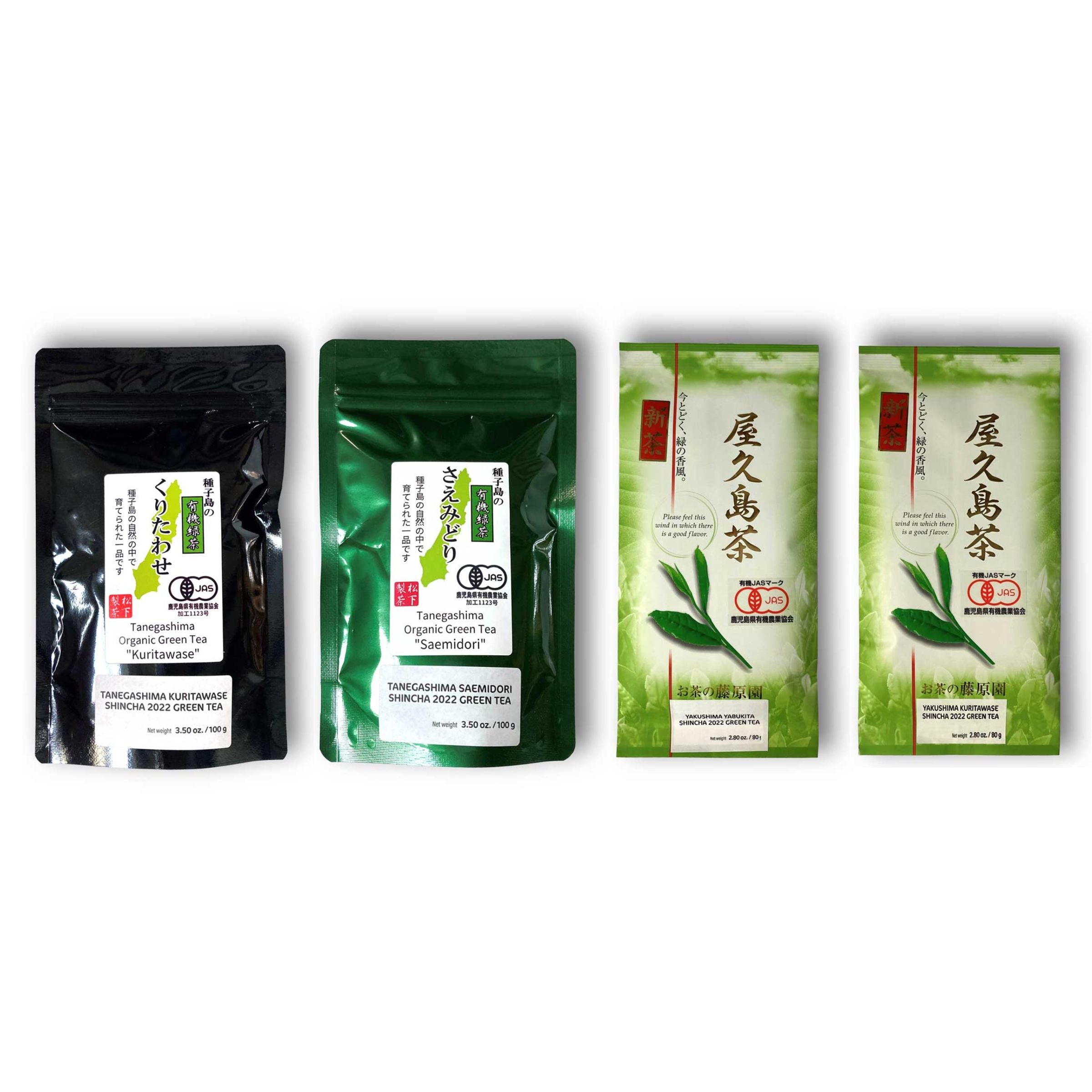
The flagship is the ceremonial matcha, and it is the product to judge the brand by. Real ceremonial-grade matcha comes from shade-grown leaf, picked young, de-stemmed and stone-ground into a powder that is electric green, faintly sweet and rich in umami — smooth enough to drink whisked with nothing but water, which is the actual test. Culinary powders, by contrast, are duller, coarser and bitter, engineered to survive milk and sugar. Nio’s ceremonial offering sits firmly in the first camp: vivid colour, fine texture and the natural sweetness that makes straight matcha a pleasure rather than a penance.
It is worth being clear-eyed about what you are paying for. “Ceremonial” is a marketing term with no legal definition, so the label alone guarantees nothing — sourcing does. Matcha ground from Japanese shade-grown leaf, shipped fresh in small quantities, costs what it costs because the agriculture behind it is genuinely laborious. The practical advice: if you drink matcha straight or whisked traditionally, ceremonial grade is transformative and worth the spend; if you only ever make lattes and smoothies, a good culinary or latte-grade tier will serve you at half the price, and Nio’s range covers both honestly. One last tip: start with a small tin rather than a bulk pouch, because matcha oxidises quickly once opened.
The rest of the range
Sencha — the everyday classic
Sencha is Japan’s daily-drinker, and it is the smartest place for newcomers to start: steamed green leaf with a balance of grassy freshness, gentle sweetness and umami, at a friendlier price than matcha or gyokuro. Nio’s senchas span from bright everyday grades to deeper first-flush pickings, and the differences between them are a fast education in what harvest timing does to flavour. Brewed correctly — water well off the boil, short steep — a good sencha is the tea that converts sceptics.
Gyokuro — the shaded luxury
Gyokuro is the connoisseur’s tea: shaded for weeks before picking, like matcha leaf, then rolled rather than ground. The result is an intensely sweet, savoury, almost brothy cup drunk in small quantities at low temperatures — closer to a sake tasting than a mug of builder’s. It is the most demanding tea in the range to brew and among the priciest per gram, but for depth of flavour nothing else in green tea touches it. One to graduate to rather than start with.
Hojicha & the low-caffeine end
Hojicha is roasted green tea — toasty, nutty and naturally low in caffeine, which makes it the evening tea of the range and a gentle option for kids and caffeine-sensitive drinkers. Alongside it sit genmaicha (green tea with toasted rice) and other approachable styles that round out the catalogue. These teas are also the most forgiving to brew, so they double as low-stakes gifts for people you suspect would boil a gyokuro alive.
Price & value
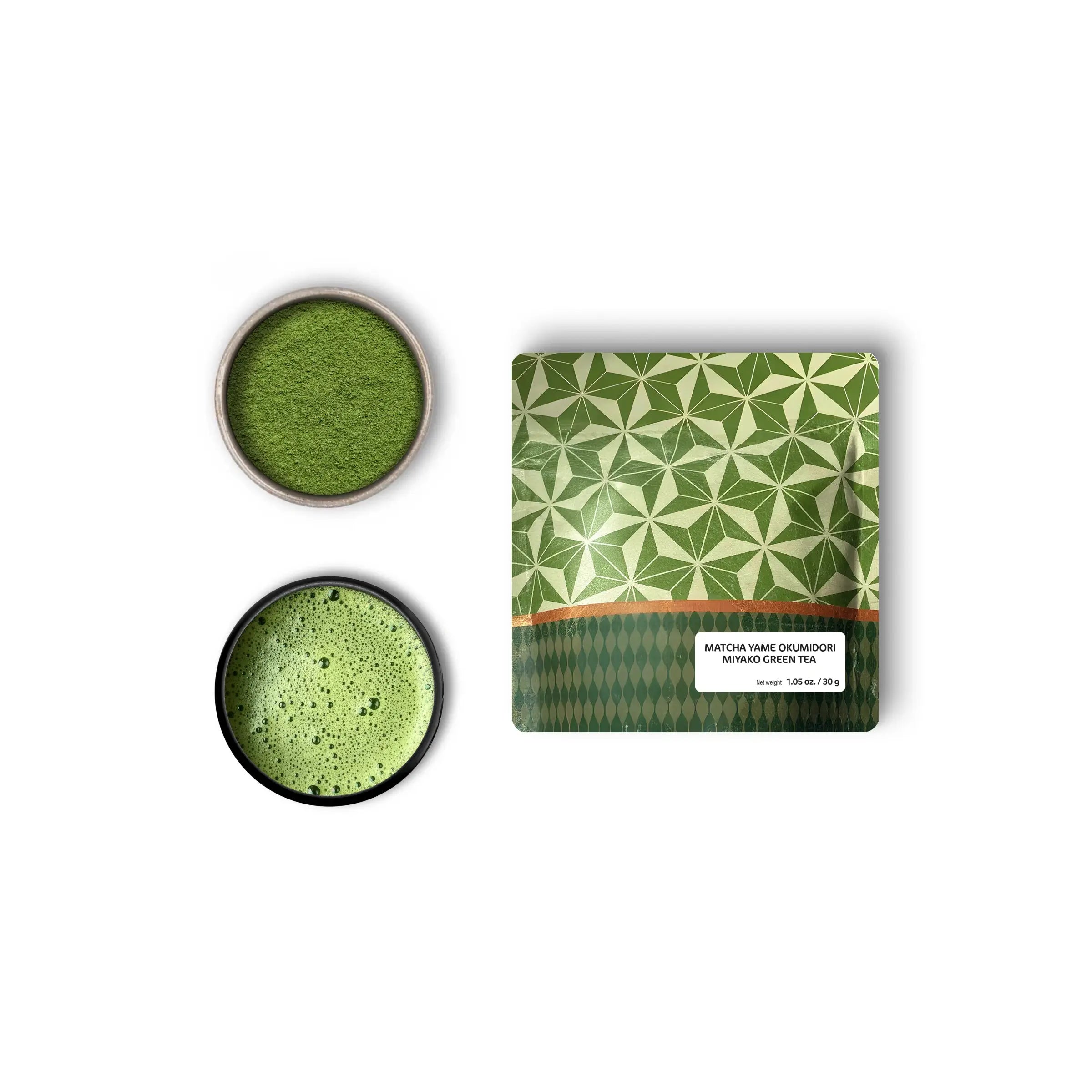
Specialty Japanese tea occupies a clear price band: several times supermarket teabags, broadly in line with other farm-direct specialists, and cheaper per cup than a café habit by a wide margin. Prices move with harvests and exchange rates, so treat these ranges as orientation and check current pricing on the site.
| Product | Typical price range | Notes |
|---|---|---|
| Sencha (100g) | ~$20–$35 | The value sweet spot; many cups per bag |
| Ceremonial matcha (30g tin) | ~$30–$60 | Buy small and fresh rather than bulk |
| Gyokuro (100g) | ~$30–$55 | Premium shaded leaf, brewed in small doses |
| Samplers & starter sets | ~$40–$80 | The rational first order for newcomers |
The per-cup maths is kinder than sticker shock suggests: 100 grams of sencha yields dozens of brews, and quality Japanese leaf re-steeps two or three times, so a $25 bag lands somewhere around fifty cents a cup — latte-grade matcha at home similarly undercuts any café. The genuine premium is versus commodity teabags, and that is precisely the difference you can taste. Value verdict: fair for the grade, best captured through samplers and subscriptions where offered.
How to choose your first order
- Match the tea to your habit: latte drinkers want a latte-grade matcha, straight sippers want ceremonial, mug-of-tea people should start with sencha.
- Buy a sampler or two or three small sizes rather than one big bag — palates differ, and freshness beats bulk in green tea.
- Check caffeine needs: matcha and gyokuro run high, sencha moderate, hojicha low — choose your evening tea accordingly.
- Get the water right before spending more: a kettle with temperature control (or a minute’s patience off the boil) matters more than upgrading grades.
- Store tea sealed, cool and dark, and buy quantities you will finish in one to two months — freshness is half of what you paid for.
If you are buying for someone else, default to a sampler with a hojicha in it. It flatters every skill level, and nothing in it punishes imperfect brewing.
Common buying mistakes to avoid
The cardinal error is pouring boiling water on fine Japanese green tea — it scalds the leaf, drags out bitterness, and convinces people the tea is at fault; sencha wants roughly 70–80°C and gyokuro cooler still. Close behind: buying ceremonial matcha to drown in milk and syrup (a waste of its delicacy) or, inversely, whisking cheap culinary powder with water and concluding matcha is not for you. Shoppers also over-buy on first orders — a 100-gram tin of matcha going stale on a counter is money evaporating — and under-attend to storage, leaving leaf in sunlight or beside the spice rack. Finally, judging any specialty tea on one hurried brew is like judging a wine region on a warm airport glass; give a new tea three careful attempts before you rule.
Watch: Japanese green tea and matcha, explained
Nio Teas vs alternatives
The heritage benchmark is Ippodo, the centuries-old Kyoto tea house: peerless pedigree, superb matcha, and the obvious choice if tradition itself is what you are buying — but its Western-facing range is narrower, its guidance more austere, and its prices carry the history. Modern lifestyle matcha brands occupy the opposite corner: slick branding, subscription-first models and lattes-first messaging, often at similar prices to true specialists but with thinner sourcing transparency and little beyond matcha itself. Supermarket and mainstream tea brands are not really competitors at all — different leaf, different freshness, different product. Nio’s position is the practical middle: farm-direct Japanese sourcing and a canon-deep range like a heritage house, with the education, accessibility and Western-friendly buying experience of the modern brands. If you want a name your Kyoto-visiting friend will recognise, buy Ippodo; if you want maximum Instagram, the lifestyle brands await; if you want the widest properly-Japanese range with help learning to brew it, this is the profile that wins.
Quality, shipping & support
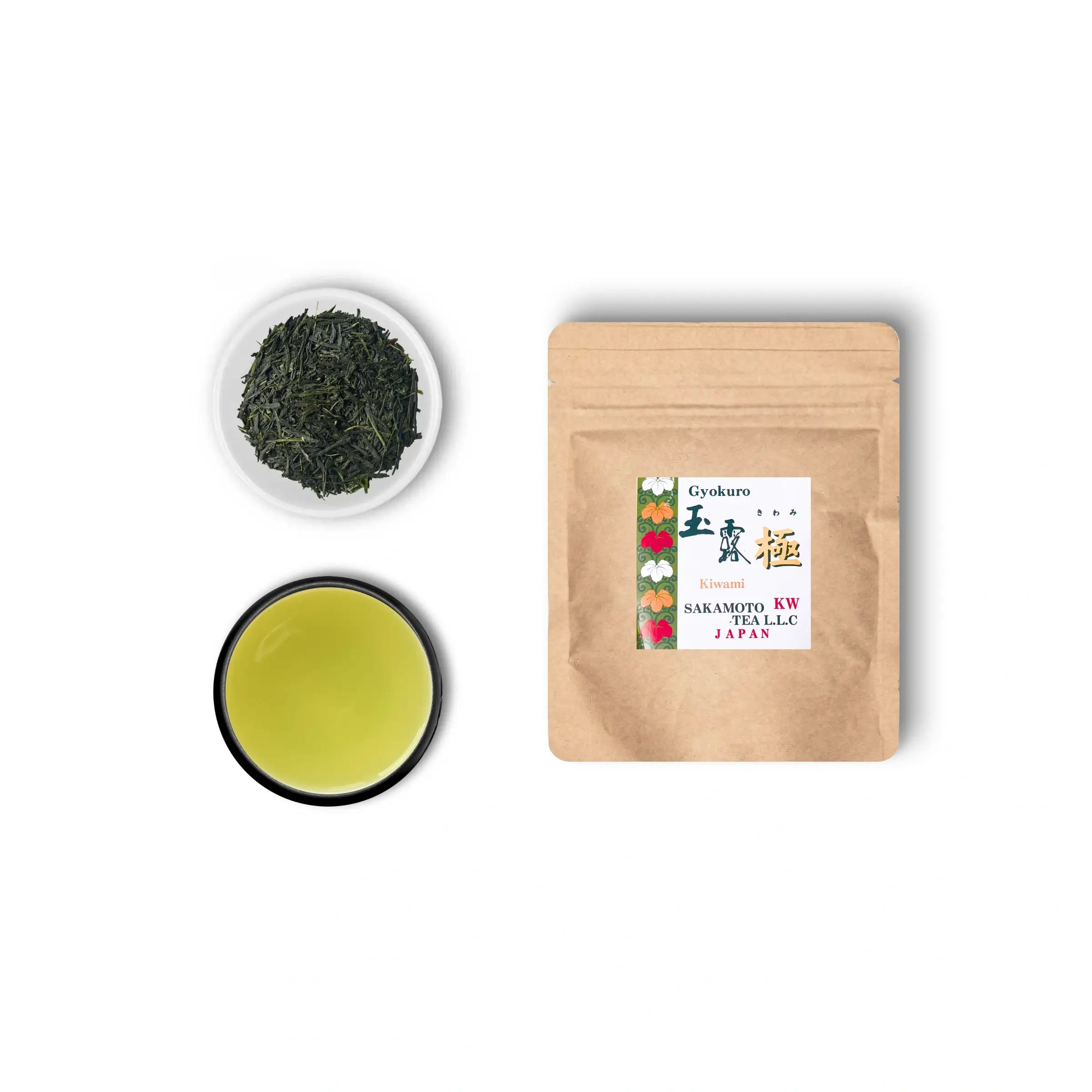
Quality in this category is decided in Japan — cultivar, shading, harvest and processing — and Nio’s farm-direct, 100%-Japanese sourcing is the structural reason its teas taste the way they do. Packaging follows specialty-tea best practice: sealed, light-blocking bags and tins that protect the leaf in transit and on your shelf, with matcha in particular sensibly sold in small, freshness-first quantities.
Shipping is the standard cross-border reality of Japanese-sourced goods: orders are dispatched promptly, but transit to North America or Europe takes longer than domestic e-commerce has trained us to expect — allow one to two weeks depending on region and service, and check current shipping options and any free-shipping thresholds at checkout. Tea travels well, so damage is rare; the main planning point is simply ordering before your tin runs dry rather than after.
Support runs the way you would hope for a specialist: responsive, knowledgeable about the actual product, and generous with brewing help — which is worth more than a generic returns desk in a category where most “faulty tea” is really faulty kettle temperature. As with all consumables, opened tea is generally not returnable for hygiene reasons, so lean on samplers to de-risk taste, and raise any genuine quality issue promptly; small specialist brands live on their reputation and tend to act like it.
What real customers say
Aggregated sentiment around Nio runs notably warm for the category: the recurring themes are matcha colour and smoothness that surprised drinkers coming from mainstream brands, senchas described as revelatory by people who thought they disliked green tea, and appreciation for the brewing guidance that comes with the leaf. Subscription-style repeat purchasing appears common — the classic signature of a consumable that actually delivers — and gift buyers report the packaging lands well.
The critical minority says predictable things: prices that sting next to supermarket tea, occasional sell-outs of favourite harvests, and international delivery that tested patience in peak seasons. We found no meaningful pattern of quality or fulfilment complaints, but as with any specialist brand, review volumes are modest next to mass-market names, so weight recent feedback most heavily.
Who should buy — and who should not
Buy from Nio if you already drink green tea or matcha and are ready to taste what the upper grades actually offer; if you are a coffee drinker courting a gentler caffeine ritual — matcha’s slow-release lift is the honest pitch here; or if you want a gift with substance for a tea-curious friend, where a sampler plus brewing guidance does the entire job. Home-latte makers priced out of the café habit will also find the per-cup maths quietly compelling.
Skip it if tea is a background beverage you brew with boiling water and drink without thinking — commodity teabags serve that use case at a tenth of the price, and nothing here will survive the treatment. Likewise if you want flavoured teas, herbal infusions or a one-stop shop for every tea tradition on earth: this is a Japanese specialist by design, and its narrowness is the point.
Honest limits
The honest boundaries: this is specialty tea at specialty prices, and no amount of per-cup arithmetic makes it a budget product. Harvest cycles mean specific teas genuinely sell out, “ceremonial” remains an unregulated term across the entire industry (sourcing, not labels, is your protection), and fine Japanese tea will punish careless brewing no matter whose name is on the tin. Health claims around green tea are best kept modest — it is a pleasurable, moderately caffeinated drink with a long history, not medicine. And as with any smaller brand, ranges, prices and shipping terms move; verify current details on the site rather than treating this review as a catalogue.
Nio Teas discount codes & deals
Specialty tea brands run a steady rhythm of promotions — first-order codes, seasonal sales, bundle pricing and subscription discounts — and on a consumable you will reorder, a working code compounds nicely over a year. Before you place an order, check our deals hub, where we verify current Nio Teas discount codes alongside offers from other tea and coffee specialists. A live code on a sampler is the cheapest possible introduction to the range.
Frequently asked questions
Is Nio Teas really made in Japan? Yes — the entire range is 100% made in Japan and sourced from Japanese farms, which is the brand’s core identity. That distinguishes it from the many Western brands blending unspecified origins.
What is the difference between ceremonial and culinary matcha? Ceremonial grade comes from younger, shade-grown leaf and is smooth enough to drink whisked with water alone; culinary grade is coarser and more bitter, built to hold its own in lattes and baking. Neither term is legally regulated, so sourcing matters more than the word on the label.
How much caffeine is in these teas? Matcha and gyokuro sit at the high end (matcha delivers roughly coffee-adjacent lift, released more gradually), sencha is moderate, and roasted hojicha is naturally low — the sensible evening choice.
What water temperature should I use? Well off the boil: roughly 70–80°C for sencha and matcha, cooler still (around 50–60°C) for gyokuro, while forgiving hojicha tolerates hotter water. Boiling water is the single most common cause of bitter green tea.
How should I store the tea? Sealed, cool, dark and away from strong smells; matcha ideally in its tin, used within a month or two of opening. Freshness is a large part of what you are paying for.
Does Nio ship internationally? Yes, to major Western markets, though transit times and costs vary by region — allow longer than domestic e-commerce and check the current options at checkout.
Is expensive matcha worth it for lattes? Honestly, not really — milk masks ceremonial grade’s delicacy. Use a good latte or culinary grade for milk drinks and save ceremonial for drinking straight; a specialist range covering both tiers lets you do exactly that.
Brewing Japanese green tea properly at home: a practical guide
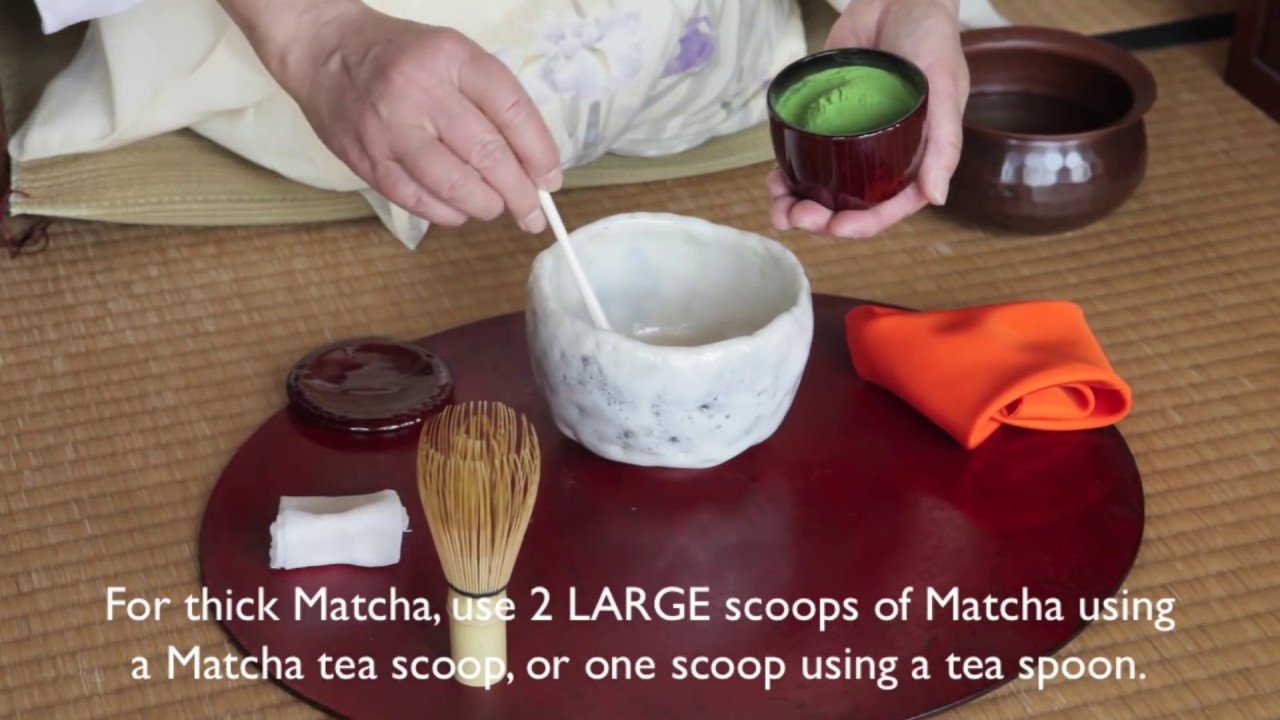
Great Japanese tea at home comes down to four boring variables — temperature, time, ratio and freshness — and mastering them costs nothing. Start with water: boil it, then let it rest until it stops steaming aggressively, or use a temperature-controlled kettle set around 75°C for sencha and matcha, cooler for gyokuro; scalded leaf is the source of nearly all “I hate green tea” stories. Measure rather than guess — roughly a teaspoon of leaf per small cup, steeped for about a minute for sencha, then taste and adjust; good Japanese leaf re-steeps two or three times with shorter, hotter infusions, which is where the value hides. For matcha, sift a teaspoon of powder into a bowl to break clumps, add a splash of warm (never boiling) water, and whisk briskly in a zigzag — a bamboo chasen is ideal, a small milk frother an acceptable heresy — until a fine foam forms, then top up to taste. Keep everything fresh: sealed tins, cool dark cupboards, quantities you will finish within a couple of months, and matcha used quickly once opened. Build the ritual into a fixed moment — the mid-morning bowl, the post-lunch sencha, the evening hojicha — because consistency is what turns good tea from a purchase into a habit, and the habit is where all the pleasure and all the per-cup economics live.