

Anyone who has tried to cut carbohydrates knows exactly which meal breaks the diet: pasta night. Liviva Foods builds its entire business around not losing that fight — a range of low-carb, high-protein pasta and rice alternatives made from simple, wholesome, nutrient-dense ingredients, aimed squarely at keto eaters, people managing blood sugar, and anyone who wants the ritual of a bowl of spaghetti without the glucose bill that usually follows. The category has boomed in recent years, and with it has come a flood of products that taste like the packaging they arrived in; the question for this review is whether Liviva belongs in the small group that does not.
We worked through the range as a home cook would — reading labels, comparing macros against the big category names, testing the preparation quirks that make or break these products. Here is where Liviva earns a place in the pantry, where it demands technique, and how to pay less for it.
PrimeVouch Score: 8.2/10
Best for: Keto, low-carb and blood-sugar-conscious eaters who miss pasta and rice enough to learn a few preparation tricks, and households feeding one dieter alongside everyone else.
What we loved:
- Short, recognisable ingredient lists — the simple, nutrient-dense formulation is the whole brand promise, and the labels back it up.
- Dramatic macro improvements over wheat pasta: a fraction of the digestible carbs, with the bean-based lines adding serious protein and fibre.
- Both major styles of the category appear to be covered — the near-zero-calorie konjac approach and the hearty legume-based approach — so you can match product to meal.
- Rice alternatives alongside pasta shapes, which quietly fixes the other half of the carb problem: stir-fries, curries and burrito bowls.
- Genuinely useful for diabetic and prediabetic households, where the difference between pasta night and a glucose spike is the whole point.
What could be better:
- Nothing in this category tastes identical to durum wheat, and marketing that implies otherwise sets new buyers up for a first-bite letdown.
- Konjac-style products demand correct preparation — rinse well, dry-fry, sauce boldly — and skipping the ritual is the number one cause of bad reviews.
- Per-serve cost runs well above supermarket pasta, so the value case rests on health outcomes, not the grocery bill.
- Availability and range can fluctuate online, and shipping economics favour stocking up over ordering single pouches.
What makes Liviva Foods different
The low-carb pasta aisle has split into two philosophies. One camp chases indulgence — heavily processed formulations engineered to imitate wheat at any ingredient cost. The other camp, where Liviva plants its flag, starts from the ingredient list and works forward: simple, wholesome, nutrient-dense components, minimal processing, and macros that speak for themselves. In practice the category’s two workhorse approaches — konjac-root (shirataki) products that are nearly calorie-free, and legume-based products such as soy or edamame pasta that trade a few more carbs for a big protein payload — cover different jobs in a low-carb kitchen, and a brand that ranges across both styles lets you pick per meal rather than per ideology.
The difference shows up most for the audiences with the least room for error. A keto eater counting a 20-gram daily carb budget and a person managing type 2 diabetes are not buying novelty noodles; they are buying the ability to sit at the family table on pasta night without consequences. Liviva’s positioning — clean labels, serious macros, familiar formats — is aimed exactly there, and it is a more honest pitch than most of the category manages.
The star product: the konjac-based pasta line
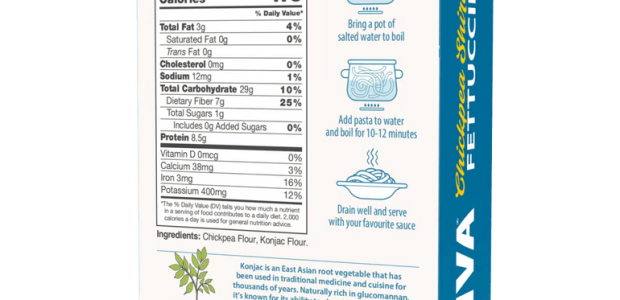
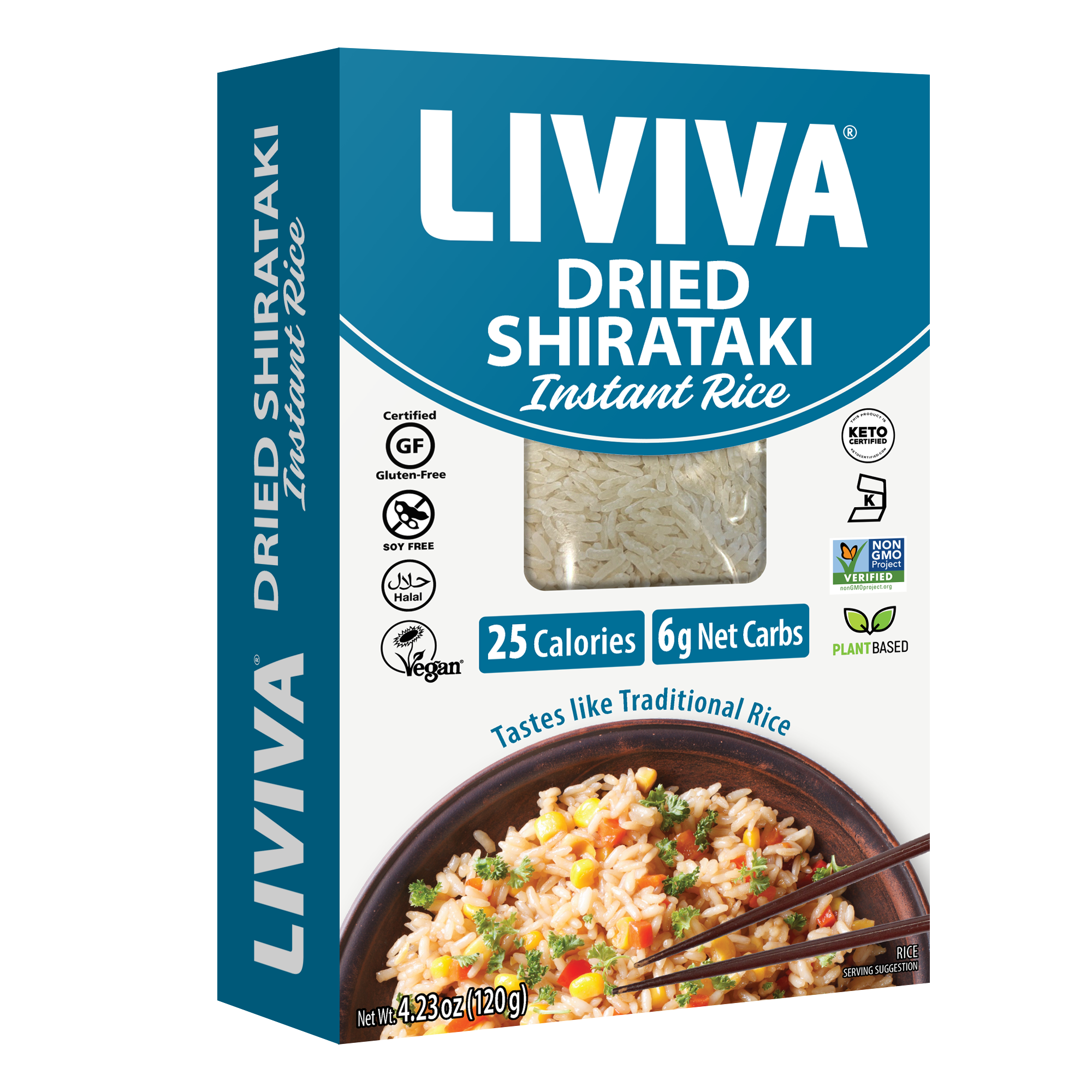
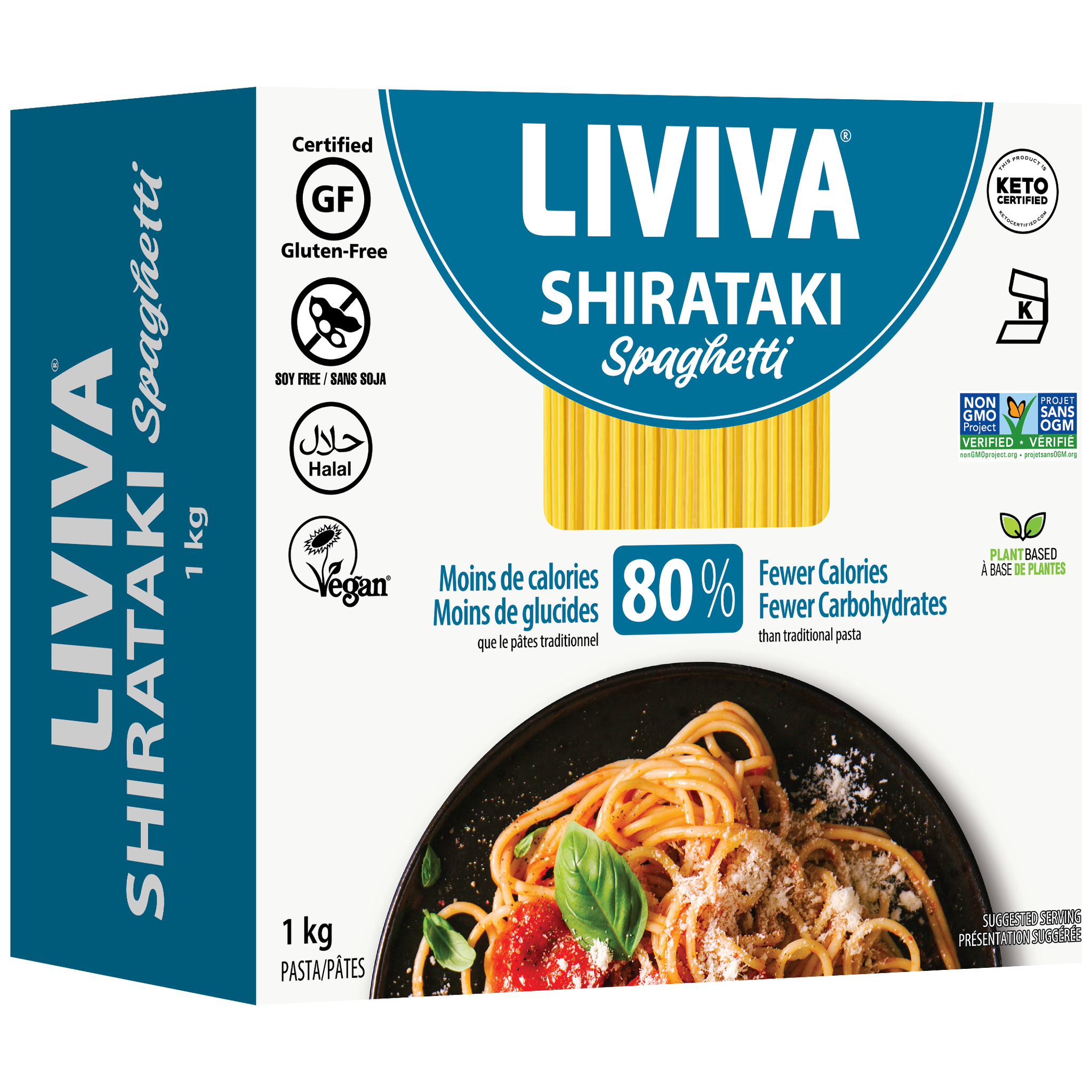
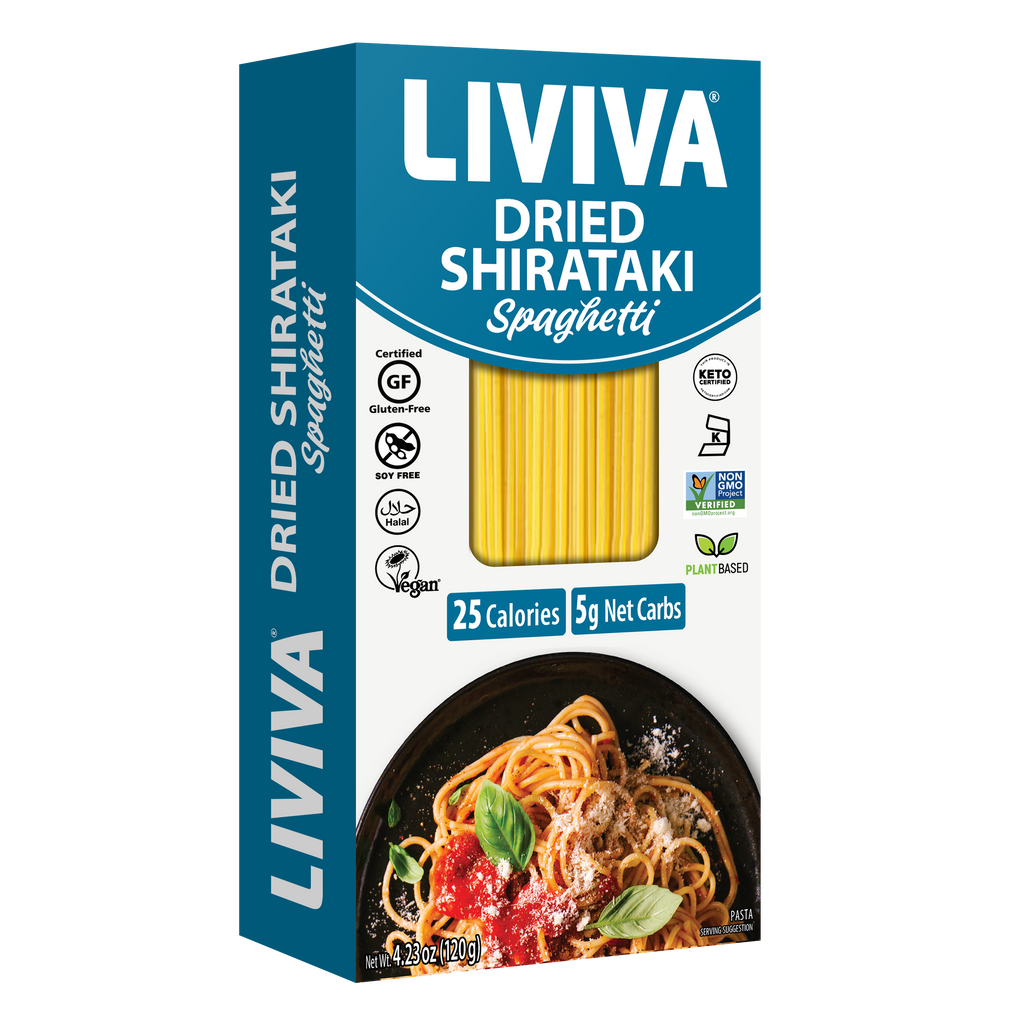
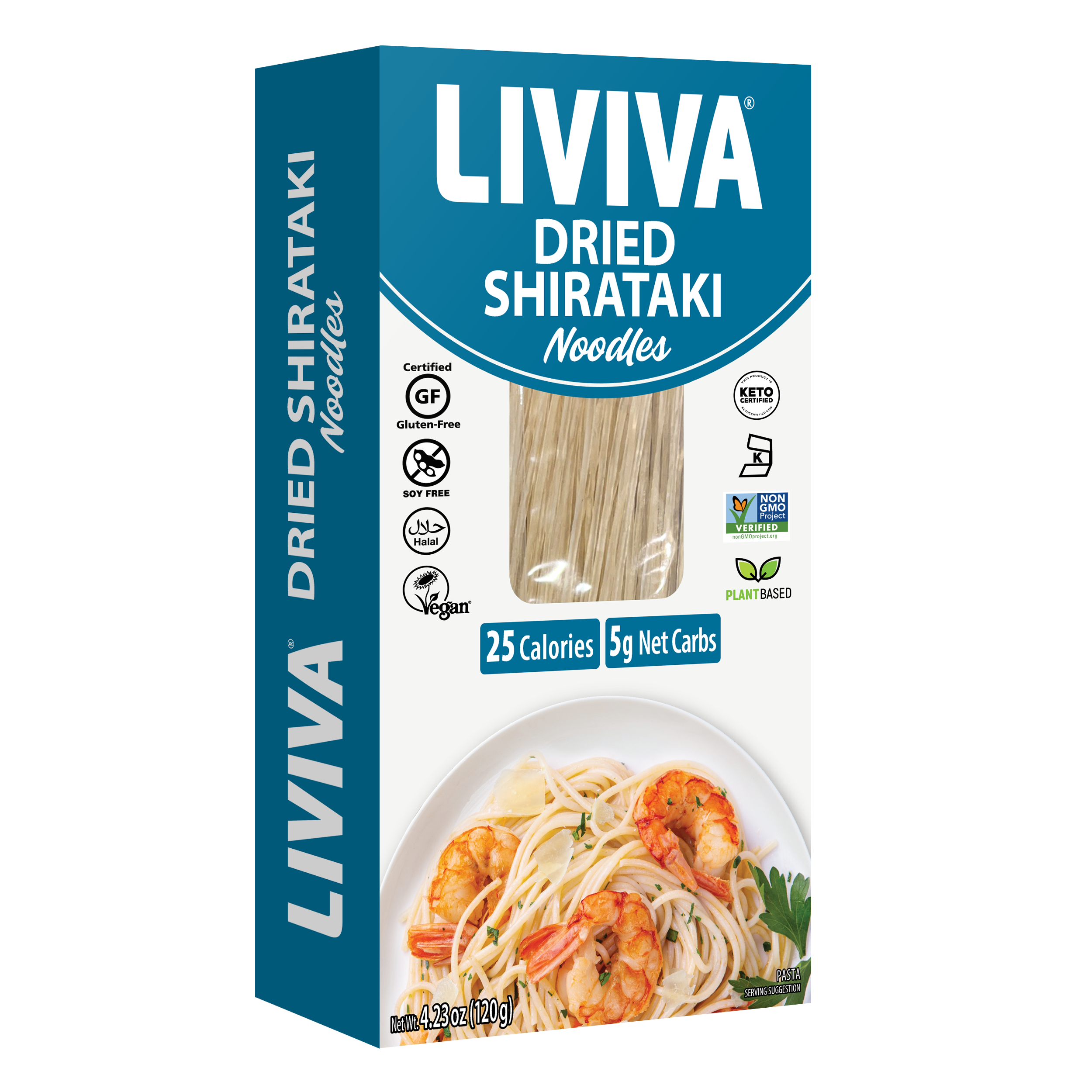
The shirataki-style range — pasta shapes made from konjac root — is the headline act, because its numbers are the most extreme in all of food retail: negligible digestible carbohydrates and close to zero calories per serve, in spaghetti, fettuccine and rice formats that go from pouch to plate in minutes. For a strict keto eater or anyone flattening glucose spikes, this is as close to a free pass as pasta night gets, and no wheat-adjacent product comes near it.
The honest half of the story is technique. Konjac noodles ship in liquid, and served straight from the pouch they are rubbery and bland — the source of virtually every one-star review in the category. Prepared properly — rinsed thoroughly, dry-fried in a hot pan for a few minutes to change the texture, then finished in a bold sauce that can carry the dish — they become a genuinely enjoyable vehicle for ragu, curry laksa or garlic prawns. The product is a technique purchase: three minutes of extra effort separates the buyers who reorder monthly from the ones who never come back.
Where the konjac line fits best: high-sauce dishes, Asian noodle bowls, and any meal where the pasta is the vehicle rather than the point. Where it fits worst: butter-and-parmesan minimalism, which exposes texture with nowhere to hide. Buy it for the former and it earns its pantry shelf.
The rest of the range
Legume-based high-protein pastas
The soy and edamame-style lines take the opposite trade: a modest carb count instead of near zero, in exchange for protein numbers that rival a chicken breast and a texture much closer to al dente wheat. These are the crowd-pleasers — the format to serve a mixed table where one person is low-carb and everyone else just wants dinner — and for athletes they double as a protein source in their own right. Cook them slightly under the packet time and they hold a bite that surprises first-timers.
Rice alternatives
Konjac-based rice formats extend the same logic to the other half of the carb problem. Stir-fries, curries, burrito bowls and fried-rice dishes are where many low-carb diets quietly die, and a rinse-and-fry rice substitute that absorbs whatever flavour it sits in fixes the weeknight default. The same preparation rules apply: rinse well, get it properly dry and hot, and let the sauce do the talking.
Bundles & variety packs
Multi-pouch bundles and mixed packs appear to be the sensible way to buy, both because shipping economics on lightweight pouches favour volume and because the right answer for most kitchens is a mix — konjac for the strictest days, legume-based for family dinners, rice for the wok. A variety pack is also the cheapest way to discover which formats your household actually reorders before committing to a favourite by the case.
Price & value
Prices in this category move with promotions, bundle sizes and channel — direct from the brand versus grocery and marketplace listings — so treat the figures below as a rough recent snapshot and check live pages before stocking the pantry. The structural fact does not change: functional pasta alternatives cost several times more per serve than commodity wheat pasta, here as everywhere in the category.
| Format | Typical price (approx.) | Notes |
|---|---|---|
| Single konjac pasta or rice pouch | ~$3–$6 | Near-zero-carb line; per-serve cost is the premium |
| Legume-based pasta pack | ~$4–$8 | High protein; feeds mixed tables best |
| Variety or starter bundles | ~$25–$50 | The sensible first order; better per-unit maths |
| Case quantities | ~$50–$90+ | Best per-serve price for confirmed favourites |
The value question is really a substitution question. Measured against a two-dollar bag of supermarket spaghetti, nothing here wins. Measured against what low-carb eaters actually replace — takeaway ordered because dinner felt impossible, specialty keto snacks, or the health cost of abandoning the diet on night three — a few dollars per serve for a meal that keeps the plan intact is cheap. Bundles and a working discount code close most of the remaining gap, which is why we recommend never paying single-pouch prices as your default.
How to get the best results
- Match the line to the meal: konjac formats for strict-carb days and saucy dishes, legume-based pasta for family dinners and protein targets.
- Learn the konjac ritual once: rinse thoroughly under running water, dry-fry in a hot pan until it squeaks, then sauce boldly — it changes the product.
- Undercook the legume pastas slightly against the packet time; they hold an al dente bite better that way.
- Start with a variety bundle rather than a case, and let your household’s reorders tell you what to buy in volume.
- Pair every swap with a sauce upgrade — these products carry flavour rather than contribute it, so the sauce budget does the heavy lifting.
The pattern behind all five: this is a category you cook, not a category you pour. Buyers who treat the first week as learning a small new technique end up with a permanent pantry staple; buyers who expect wheat pasta from a different pouch churn out within one order, whatever the brand.
Common buying mistakes to avoid
Five errors produce nearly all the disappointment in this category. Serving konjac noodles straight from the pouch — unrinsed, undried, undersauced — and blaming the product for the texture. Ordering a single pouch, paying maximum per-unit and shipping cost for the smallest possible sample. Feeding the strictest-macro product to guests who did not sign up for a diet, when the legume-based line was sitting right there. Ignoring the fibre adjustment: konjac is largely soluble fibre, and going from zero to five serves a week is ambitious for any digestive system — ramp up. And judging the whole category by one format: households that dislike the spaghetti often love the rice, because the dishes it lands in are naturally saucier. None of these mistakes cost much to avoid, and avoiding them is most of the difference between one order and a habit.
Watch: Low-carb pasta alternatives compared
Liviva vs alternatives
Against Miracle Noodle, the best-known name in konjac: the products solve the same problem with the same root vegetable, and the practical differences come down to range, price per pouch and whose formats your kitchen prefers — Liviva’s case is a range that spans both konjac and high-protein legume styles under one label, where the pure-shirataki specialists stop at one. Against Palmini, the hearts-of-palm alternative: Palmini brings a pleasant vegetable texture and mild flavour at similarly low carbs, but no protein story to speak of. Against the bean-based mainstream — chickpea and lentil pastas from the big grocery brands: those taste closest to wheat but carry several times the digestible carbs, which disqualifies them for strict keto even as they suit moderate low-carb eaters. Against edamame-pasta specialists and the international brands in that lane, the comparison is macro-for-macro similar, and price plus availability decides it. The honest summary: nobody in this category wins every meal, and Liviva’s breadth across both major approaches is its sharpest edge over rivals that do one thing only.
Quality, shipping & support
Quality in functional foods starts at the label, and this is where the brand’s simple-ingredients positioning is easy to verify: short lists, recognisable components, macros printed plainly. Shelf-stable pouches also mean quality survives transit in a way chilled products never manage — there is no cold chain to break between the warehouse and your pantry, and storage at home is as forgiving as dried pasta.
Shipping follows the standard direct-to-consumer grocery pattern: lightweight pouches, carrier delivery, and economics that reward larger baskets — single-pouch orders spend a silly fraction of their total on postage, which is one more argument for bundles. Availability of specific shapes and lines can fluctuate, as it does across this whole category; if your household standardises on one format, buying a case when it is in stock and on promotion is the experienced move.
Support for a product like this is mostly pre-purchase — ingredient questions, dietary suitability, order logistics — and the brand’s channels cover the usual email and contact-form routes. For medical dietary decisions, the label plus your own clinician beats any retailer’s support desk.
What real customers say
Customer sentiment across the category — and for Liviva specifically, from what buyers publish — follows a strikingly consistent script. The converts talk about outcomes: pasta night restored, glucose readings that stayed flat, weeks of a diet surviving because dinner stopped being a sacrifice. The legume-based lines earn praise for texture and protein; the konjac lines earn devotion from strict keto eaters who describe them as the product that makes the diet livable.
The critical reviews cluster almost entirely around expectations and preparation: buyers who wanted wheat pasta from a konjac pouch, skipped the rinse-and-fry step, or found the per-serve price hard to square with supermarket pasta. Texture complaints are real and worth taking seriously — this category asks for an adjustment, and some palates never make it. Our suggested reading of the reviews: filter for people whose diet matches yours, because a strict keto eater and a casual carb-cutter are reviewing two different products in the same pouch.
Who should buy — and who should not
Buy if you are keto, low-carb, diabetic or prediabetic and the meals you miss are the noodle- and rice-shaped ones — this range is built precisely for you, and the two-style breadth means strict days and family dinners are both covered. Buy also if you are the cook in a mixed household: the legume-based lines let one pot feed a dieter and everyone else without a second menu. Athletes chasing protein density get a bonus use case the marketing barely needs to mention.
Skip it if you have no dietary reason to leave wheat pasta — on taste and cost alone, durum wins and always will. Skip the konjac line specifically if you know soluble-fibre-heavy foods disagree with you, and check labels against your allergies — soy-based lines are exactly what they say they are. And if you refuse on principle to spend three extra minutes preparing dinner, save yourself the review you would otherwise write.
Honest limits
The limits are the category’s, and Liviva shares them: no konjac or legume product perfectly impersonates wheat, per-serve pricing sits far above commodity pasta, konjac demands preparation technique and a fibre adjustment period, and online availability of specific shapes can wobble. Add the universal caveat for health-positioned foods: a low-carb noodle is an ingredient, not a treatment plan, and anyone managing a medical condition should be steering by their clinician’s advice, with products like these as tools inside it.
Liviva Foods discount codes & deals
Functional foods carry the kind of margins that make codes worth hunting: a percentage off a bundle or case order compounds nicely, and direct-to-consumer food brands run promotions steadily through the year. Before any order — especially the case-quantity restock once you know your favourites — check our deals hub for current verified Liviva Foods codes and offers; we keep the list pruned so expired coupons do not waste your checkout. Pairing a live code with bundle pricing is how experienced buyers get the per-serve cost down to where the habit is easy to sustain.
Frequently asked questions
Is Liviva pasta really low-carb? The konjac-based lines are about as low as food gets — negligible digestible carbs — while the legume-based lines carry modest carbs with a large protein and fibre offset. Check each label against your own targets.
Does it taste like normal pasta? Honestly, no product in this category does. Legume-based lines get close on texture; konjac lines are their own thing that shines in saucy dishes when prepared correctly.
Why do konjac noodles need rinsing? They ship in a liquid that carries a faint aroma and a slippery coating. Rinsing well and dry-frying transforms the texture and removes the smell — it is the single most important step.
Is it suitable for diabetics? The macros are exactly what blood-sugar-conscious eating looks for, and the category is widely used that way — but individual responses vary, so pair label-reading with your clinician’s guidance rather than any review, including this one.
Are there allergens? The legume-based lines are typically soy or edamame products, which is an allergen for some households; konjac lines are generally free of the major allergens. Read the label on every product.
How should I store it? Pouches are shelf-stable like dried pasta — a pantry shelf is fine. Once opened, refrigerate unused konjac product in water and use it promptly.
Where are the discount codes? Current verified offers live on the PrimeVouch deals hub, and bundle-plus-code is reliably the cheapest way to buy.
Making low-carb swaps that actually stick
The graveyard of abandoned diets is full of perfect plans, and almost every one of them died the same death: a swap that demanded willpower every single night instead of once. The way out is to engineer the swaps so the easy choice and the right choice become the same thing, and food like this is one of the tools. Start by swapping the meal you crave most, not the one that is easiest to change — if pasta night is the wall you hit every week, fix pasta night first, because one defended ritual protects the whole plan better than five token substitutions. Make the swap once, at the shopping stage: a pantry stocked with low-carb pasta and rice means the 6 pm decision is already made, whereas a plan that requires a special trip is a plan waiting for an excuse. Keep the ritual and change the ingredient — same bowl, same sauce, same table, different macros — because the psychology of a diet is at least half of it, and people abandon deprivation long before they abandon food they enjoy. Expect a two-week adjustment window in which new textures become normal, and cook accordingly: bold sauces, proper technique, no naked-noodle taste tests in week one. Budget honestly — buy bundles, use codes, and compare the cost against the takeaway it replaces rather than the two-dollar bag it resembles. And measure something — a glucose meter, a waistband, how you feel by Friday — because a visible payoff converts an experiment into a habit. Stack those habits and the low-carb version stops being a diet at all, which is the only version that ever lasts.