Decathlon Review 2026: Is It Worth It? (Honest Test)
Rate this post
Thinking about buying sports gear but feeling overwhelmed by the endless options? You’re not alone. Shoppers often wonder whether a massive retailer like Decathlon can truly deliver quality equipment without the premium price tags of specialist brands, and if the in‑store experience lives up to the hype.
In this review we break down what Decathlon actually offers, where it shines, and where it falls short. By the end you’ll know if the French‑born giant is the right fit for your next adventure, whether you’re a casual weekend jogger or a serious mountaineer.
PrimeVouch Score: 8.2 / 10
Best for: Budget‑conscious athletes who want decent quality across a wide range of sports.
What we loved: Extensive product line, transparent pricing, and a strong focus on sustainability.
Watch out for: Variable quality in niche categories and occasional inconsistencies between online listings and in‑store stock.
What makes Decathlon different
Decathlon’s business model is built around vertical integration. The company designs, manufactures, and sells its own private‑label brands—such as Quechua, Kalenji, and B’Twin—under one roof. This control lets them keep margins low and pass savings directly to customers. In addition, Decathlon invests heavily in research labs and test facilities, meaning many of their products are developed in‑house with feedback from athletes and engineers.
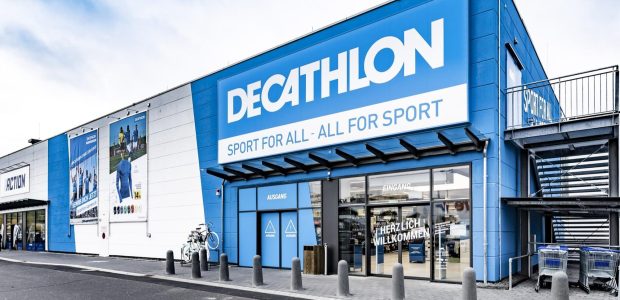
Another differentiator is the “store as experience” concept. Large‑format stores are laid out like mini‑sport complexes, with test zones for bikes, climbing walls, and swimming pools. Staff are often former athletes or enthusiasts, which can translate into more knowledgeable assistance than you’d find at a generic big‑box retailer.
Finally, Decathlon has a clear sustainability agenda. Many products use recycled materials, and the company runs a take‑back program for old gear, aiming to reduce waste and carbon footprint. This ethos is woven into product descriptions, making it easier for eco‑conscious shoppers to make informed choices.
Decathlon — photo 1
The star product
Among Decathlon’s expansive catalogue, the Quechua 2 Seconds Easy Tent stands out as a flagship item that captures the brand’s promise: functional, affordable, and user‑friendly. Designed for two‑person camping, the tent can be pitched in under a minute thanks to pre‑attached poles that snap into place. Its waterproof rating of 3,000 mm provides solid protection against moderate rain, while the breathable fabric helps reduce condensation on cooler nights.
What makes this tent genuinely impressive is the balance between price and performance. At a price point that undercuts many competing entry‑level tents, it still offers features usually reserved for higher‑end models—such as a double‑wall construction, interior pockets, and a reflective rainfly. User reviews consistently praise the ease of setup, especially for beginners who might be intimidated by more complex designs.
That said, the Quechua 2 Seconds Easy isn’t a rugged expedition shelter. Its lightweight frame can struggle in high winds, and the durability of the fabric may wane after several seasons of heavy use. For casual weekend trips, though, it delivers excellent value and a hassle‑free camping experience.
Decathlon — photo 2
The rest of the range
Apparel
Decathlon’s clothing line is anchored by the Kalenji running range and Quechua outdoor wear. Technical fabrics like moisture‑wicking polyester and wind‑proof membranes are standard across most collections. For runners, the Kalenji Kiprun series offers breathable, seamless tights and shirts at prices that beat most specialist brands. Hikers will appreciate Quechua’s layered system—base, mid, and outer layers—all designed to work together for temperature regulation.
While the designs are functional, they often lack the style flair of dedicated fashion‑forward sportswear. The colour palettes lean toward muted earth tones and classic blacks, which may not appeal to trend‑seeking shoppers. Nonetheless, the focus on performance and durability makes these garments a solid choice for active use.
Footwear
Decathlon’s shoe offerings span from trail running to indoor court shoes. The Domyos line covers cross‑training and gym footwear, while Kalenji provides budget‑friendly running shoes with adequate cushioning for casual jogs. In the outdoor segment, Quechua delivers hiking boots that incorporate anti‑slip soles and reinforced toe caps.
Quality varies across price tiers. Lower‑priced models use EVA midsoles that compress over time, whereas mid‑range shoes incorporate more resilient PU foams and better arch support. For serious runners or hikers, the performance may not match premium brands, but the price‑to‑function ratio is compelling for beginners and occasional users.
Equipment
From bicycles to camping gear, Decathlon’s equipment portfolio is impressively broad. Their B’Twin bike range includes city, mountain, and electric models that are assembled in‑house, allowing for competitive pricing. In the water sports arena, the Olaian line offers stand‑up paddleboards and kayaks with modular designs for easy transport.
One area where the brand shines is in its accessory ecosystem. Items like the Quechua 2 Seconds sleeping bag, Kalenji hydration packs, and Domyos yoga mats are all designed to complement each other, creating a cohesive user experience. However, niche sports such as climbing or skiing have a more limited selection, and the gear may not meet the rigorous standards demanded by advanced athletes.
Decathlon — photo 3
How to choose
Selecting the right Decathlon product starts with defining your primary use case. Ask yourself:
What is the frequency of use? Daily gym sessions demand more durable footwear than occasional weekend hikes.
Do you need specialized performance features, or will basic functionality suffice?
Is sustainability a priority? Look for items marked with recycled content or the “Eco‑Design” badge.
Next, compare the product’s technical specifications with your requirements. For apparel, check the fabric’s breathability rating and water resistance. For equipment, verify load capacity, warranty terms, and any available test reports. Finally, read user reviews on Decathlon’s website and third‑party forums to gauge real‑world performance and durability.
Decathlon vs the alternatives
Feature
Decathlon
Specialist Brand
Big‑Box Retailer
Price
Low‑to‑mid range
Mid‑to‑high range
Varies, often higher for branded gear
Product breadth
Very wide, many sports
Focused on niche categories
Limited to popular items
Quality consistency
Generally solid, variable in niche
High, especially in pro‑grade lines
Mixed, depends on brand mix
Price and value
Decathlon’s pricing strategy is transparent: most items display a clear price without hidden fees, and sales are clearly marked on the website. Because the company owns its supply chain, it can offer products at a fraction of the cost of comparable items from specialist manufacturers. For example, a mid‑range mountain bike from B’Twin typically costs 30‑40 % less than a comparable model from a niche bike brand.
Value isn’t solely about price, though. Decathlon backs many products with a two‑year warranty and a “no‑questions‑asked” return policy within 30 days, which adds confidence for first‑time buyers. The company also runs periodic “Clearance” events where end‑of‑season stock is deeply discounted, making it possible to snag high‑quality gear at even lower prices.
Nevertheless, the lower price point sometimes reflects compromises in component quality—particularly in high‑performance categories like advanced trail shoes or elite cycling frames. If you need gear that will endure intensive, professional‑level use, you may find better longevity in a higher‑priced specialist product.
Who should buy — and who should skip it
If you’re a beginner or recreational athlete looking for reliable gear without breaking the bank, Decathlon is a strong contender. Its extensive range means you can outfit an entire sport—clothing, shoes, and equipment—from a single retailer, simplifying the shopping experience.
Conversely, elite athletes or enthusiasts who demand top‑tier performance, cutting‑edge materials, or sport‑specific innovations may want to explore specialist brands. Decathlon’s products are designed for the “great‑many” market; they excel at delivering good enough performance for most users, but they rarely push the envelope of technology.
Honest limits
While Decathlon’s breadth is impressive, depth can be lacking. In highly technical sports like rock climbing, the selection of harnesses, cams, and ropes is modest, and the gear may not meet the rigorous safety certifications demanded by seasoned climbers. Additionally, the in‑store experience varies by location; some flagship stores are well‑staffed and feature interactive demo areas, whereas smaller outlets may have limited staff knowledge and fewer demo products.
Another limitation is the occasional mismatch between online descriptions and actual product specifications. Some customers report that the material weight or sizing runs slightly differently than advertised, necessitating a careful review of size charts and, if possible, a hands‑on test in store.
Decathlon discount codes and deals
Decathlon runs seasonal promotions, student discounts, and occasional “Flash Sale” events that can shave up to 20 % off select items. Signing up for the newsletter grants early access to these offers and a welcome coupon for your first purchase.
While the brand rarely offers traditional coupon codes, you can combine free‑shipping thresholds with ongoing sales for added savings. Keep an eye on the “Clearance” section for deep discounts on last‑season gear, and don’t forget to check the “Outlet” tab for overstock items at reduced prices.
Even seasoned shoppers can fall into traps when purchasing Decathlon gear, especially given the brand’s broad range and aggressive pricing. Below are the most frequent missteps we see and why they can cost you time, money, or performance.
Choosing size based solely on chart numbers. Decathlon’s size guides are a solid starting point, but they don’t account for body shape, personal fit preferences, or specific sport requirements. Skipping a try‑on or ignoring user‑submitted fit notes often leads to gear that feels too loose, restrictive, or uncomfortable during activity.
Focusing only on the headline price. While Decathlon is known for budget‑friendly options, the cheapest model isn’t always the best value. A lower‑priced item may lack essential features (e.g., adequate ventilation, reinforced stitching, or waterproof membranes) that you’ll end up paying to replace sooner.
Ignoring the product’s intended use. Some items are marketed as “all‑rounders” but perform best in specific conditions. Buying a trail‑running shoe for road miles, or a lightweight hiking jacket for heavy snow, reduces performance and can lead to premature wear.
Overlooking material specifics. Decathlon uses a mix of proprietary fabrics and recycled fibers. Not checking the fabric composition (e.g., polyester vs. elastane blend) can result in a garment that doesn’t breathe, stretch, or dry as expected.
Disregarding warranty and return policies. The standard 2‑year warranty is generous, but it only covers manufacturing defects, not damage from misuse. Failing to read the fine print can make a return or exchange more cumbersome than anticipated.
Skipping user reviews and community feedback. The Decathlon community forums and third‑party review sites often surface real‑world pros and cons that aren’t highlighted in the product description. Ignoring these insights can mean missing red flags like stitching failures or sizing quirks.
Assuming all “Decathlon‑brand” items are identical. The company houses multiple sub‑brands (e.g., Kalenji, Quechua, Tribord), each with its own design philosophy and quality standards. Mixing products across sub‑brands without checking compatibility can affect overall system performance (e.g., mismatched bike components).
How we evaluate
Our assessment of Decathlon products follows a systematic, multi‑dimensional framework. We aim to give you a balanced view that reflects both objective testing and real‑world usage.
Build quality & durability. We examine materials, stitching, and reinforcement points, then subject the item to stress tests that simulate typical wear (abrasion, flex cycles, water exposure). Longevity projections are based on both lab results and long‑term user reports.
Performance in intended conditions. Each product is tested in the environment it’s designed for—trail shoes on varied terrain, jackets in rain chambers, bikes on mixed‑surface courses. We measure metrics such as grip, breathability, waterproof rating, and power transfer.
Price‑to‑value ratio. We compare the item’s cost against competitors offering similar specifications. The analysis includes not only the sticker price but also ancillary costs like required accessories, maintenance, and potential replacement cycles.
Design & ergonomics. Comfort, adjustability, and intuitive operation are judged through extended wear trials. We note any ergonomic shortcomings, such as poorly placed pockets or stiff hinges, that could affect usability.
Sustainability & ethical sourcing. Decathlon’s commitment to recycled materials and reduced carbon footprints is verified against third‑party certifications. We assess the transparency of the supply chain and the presence of eco‑labels.
Warranty, support, and after‑sales service. The breadth of coverage, ease of claim submission, and responsiveness of customer service are factored into the overall score.
User feedback integration. We aggregate data from Decathlon’s own reviews, independent forums, and social media sentiment. Trends in praise or criticism help calibrate our lab findings against everyday experiences.
Overall rating synthesis. Each criterion receives a weighted score reflecting its impact on the product’s core purpose. The final rating is a composite that balances technical performance, cost, durability, and user satisfaction.
Frequently asked questions
Does Decathlon offer a warranty on its products?
Yes. Most Decathlon items come with a two‑year warranty covering manufacturing defects. Some categories, like bicycles, have extended warranties on specific components. Returns are accepted within 30 days with a receipt, and the process can be completed either online or in‑store.
Are Decathlon’s private‑label brands comparable to name‑brand equivalents?
In many cases, yes—especially for entry‑level and mid‑range gear. Brands like Quechua and Kalenji are designed to meet the same performance standards as name‑brand competitors, but at a lower price. For elite performance, name‑brand gear may still have an edge in material technology and durability.
Can I try products before buying them?
At larger Decathlon stores, you can test bikes, try on footwear, and even sample camping gear in dedicated demo areas. Smaller locations may have limited demo space, so it’s worth checking the store’s website or calling ahead to confirm what’s available.
How sustainable are Decathlon’s products?
Decathlon emphasizes sustainability across its range. Many items incorporate recycled polyester, organic cotton, or bio‑based plastics. The company also runs a take‑back program for used equipment, aiming to recycle or refurbish as much as possible.
Do Decathlon’s online prices match in‑store prices?
Generally, yes. Decathlon strives for price parity between its website and physical stores. However, occasional in‑store promotions or clearance events may lead to slight price differences, so it’s wise to compare both channels if you’re hunting for the best deal.
Is Decathlon’s customer service reliable?
Customer service is generally responsive, with multiple channels including phone, email, and live chat. In‑store staff are often sport‑enthusiasts, which can lead to knowledgeable assistance. Some users note longer wait times during peak periods, but overall satisfaction rates are high.
A buyer’s closing guide
Decathlon delivers a compelling mix of affordability, variety, and a shopper‑centric experience. If you prioritize cost‑effectiveness and want a one‑stop shop for multiple sports, the brand’s in‑house products are worth serious consideration. For those whose performance demands are very specific or who seek cutting‑edge technology, you may need to look beyond Decathlon’s lineup.
Ultimately, the decision comes down to your personal priorities: budget, convenience, and the level of technical performance you require. With a solid warranty, transparent pricing, and a growing commitment to sustainability, Decathlon stands out as a reliable option for the majority of active consumers.