
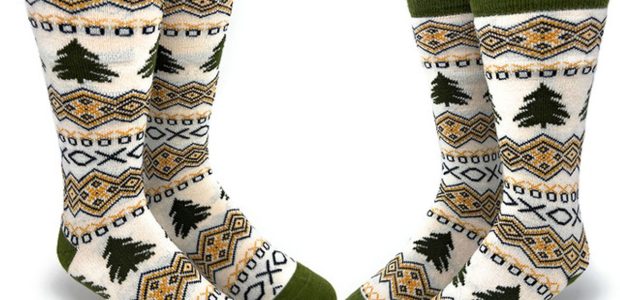

Merino owned technical socks for a generation; alpaca is the challenger fibre, and Clohill is one of its loudest retail advocates — premium alpaca-wool socks for hiking, skiing, hunting and daily wear, backed by a 4.8-star average across 3,600+ Loox reviews and a lifetime warranty that headlines the pitch.
The fibre case is real: alpaca runs warmer per gram than sheep wool, wicks while staying naturally odour-resistant, and skips the lanolin that itches sensitive skin. Clohill wraps it in men's, women's and kids' ranges with the direct-to-consumer pricing the sock boutiques of the world now standard. The counterweights: a 72/100 trust-scan score typical of newer DTC domains, and a complaint minority on delivery lag and refund friction.
Our verdict: Clohill's socks earn their review wall — genuinely warm, soft and durable alpaca at fair prices — with standard new-brand buying hygiene (card payment, patience margins) as the sensible accompaniment. Score: 7.8 / 10.
→ Shop Clohill — see today’s best offer
Why alpaca — the fibre argument
Alpaca fibre is hollow-core: trapped air insulates warmer per weight than merino's solid strands, which is why expedition layers borrowed it first. It wicks moisture while resisting the bacterial funk that ends sock days early, wears smoother against skin (no lanolin, fewer itch complaints), and matches merino's durability class when blended right. The trade: pure alpaca stretches less, so quality knits blend for recovery — check compositions like a label-reader.
The range
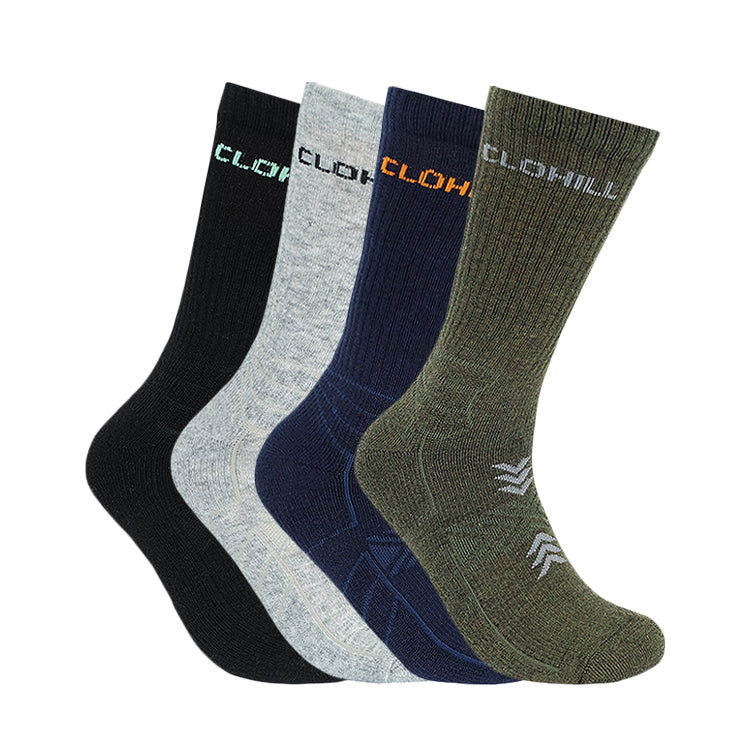
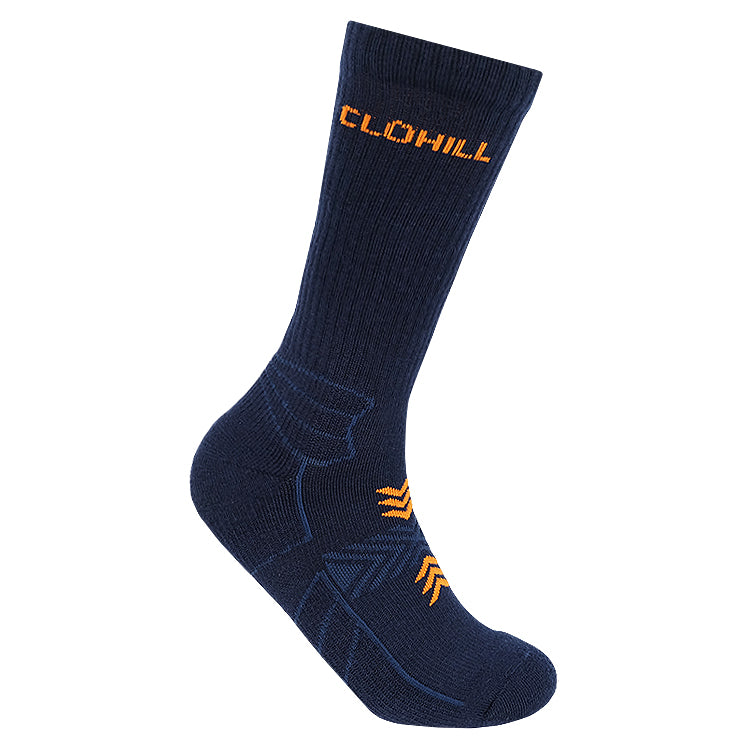
Outdoor lines: hiking and skiing weights with cushioned zones and reinforced heels. Everyday lines: dress-weight warmth for office winters. Kids' sets: the school-run warmth upgrade parents review gratefully. Multi-pair bundles anchor the pricing, and the lifetime warranty spans the lot.
Price & value
Per-pair pricing sits in premium-sock territory (merino-brand adjacent) with bundle math pulling it down — and the durability profile amortising it: reviewers report seasons of service where cotton multipacks report months. The lifetime warranty, honoured per positive reports, converts price into subscription-of-one economics.
| Line | Best for |
|---|---|
| Hiking weight | Trail miles, boots |
| Ski weight | Cold-day cushion |
| Everyday | Office and errand winters |
How to buy socks like gear
Match weight to boot volume (thick socks in tight boots cut circulation and warmth — the beginner inversion); size per the chart, not habit; and buy the activity bundle rather than one-off pairs — rotation extends every pair's life. Wash cool, skip softener (it coats the fibre's wicking), air dry: the alpaca care trio.
Common mistakes
Judging warmth in the shop rather than the field (hollow-core shines in real cold); boiling washes that felt the knit; expecting compression-sock structure from comfort knits; and skipping the warranty registration/receipt filing that the lifetime pitch depends on.
Vs alternatives
Against merino majors (Darn Tough, Smartwool): comparable comfort class, warmer-per-gram fibre, younger warranty track record versus their proven ones. Against bargain alpaca on marketplaces: composition transparency and the warranty are the deltas. The lane: fibre-first buyers who want alpaca's specific advantages with retail accountability.
Quality, shipping & support
The 3,600-review wall trends strongly positive on comfort, warmth and wear-rate; the complaint minority clusters on delivery timelines and refund pacing — the DTC-brand constants that card-payment hygiene neutralises. Trust-scan middling scores reflect domain youth more than misconduct signals; buying behaviour should reflect the same calibration.
Who should buy — and who should not
Buy Clohill if cold feet are a lifestyle problem — hikers, skiers, hunters, cold-office sufferers and gift-buyers stocking family drawers with the warm upgrade.
Skip if you need proven-decade warranty infrastructure (the merino majors own that history) or compression-grade technical structure.
Honest limits
New-brand logistics wobble occasionally; lifetime warranties are promises whose test is time; and no sock survives abuse its care label warned against. The fibre delivers; the brand's job is consistency, and 4.8-across-thousands suggests it mostly does.
Fibre science: why alpaca outperforms per gram
The hollow-core structure is the headline, but alpaca's full spec sheet explains the expedition pedigree. Thermal efficiency: air trapped inside each fibre insulates like double glazing — warmth ratings per weight consistently exceed sheep wool in textile testing. Moisture behaviour: alpaca wicks and releases moisture rather than absorbing it merino-style, keeping feet drier in the freeze-thaw cycles that end ski days. Odour resistance: the fibre's smooth scale structure hosts less bacterial festivity, which is why multi-day trail wearers report the same pair surviving what would retire cotton in hours. Hypoallergenic profile: no lanolin means the itch-and-allergy population that quit wool entirely gets back in the game.
Durability lives in the blend maths: pure alpaca is lofty but low-stretch, so performance knits blend 60-80% alpaca with nylon-elastane structures for recovery and heel-toe reinforcement. Reading Clohill's composition tags with this lens turns marketing into engineering: high alpaca percentage for warmth-first uses, reinforced blends for boot-mileage. The lifetime-warranty confidence makes sense precisely because the fibre's failure modes are knitting choices, not material destiny.
The sock system: layering, boots and the circulation rule
Warm feet are a system output, not a sock property. The circulation rule dominates: a thick sock crammed into a fitted boot compresses capillaries and produces colder feet than a thin sock with toe room — the beginner inversion this review flagged, worth its own protocol. Boot-first sizing: fit boots with the intended sock weight, or size sock weight to existing boot volume. Layering: liner-plus-alpaca two-sock systems suit extreme cold and blister-prone hikers; single quality socks suit everything else. Activity mapping: cushioned hiking weights for trail impact, ski weights with shin padding for boot pressure, everyday weights where office shoes set the volume budget.
The rotation economics complete the system: three pairs in rotation outlast five pairs worn consecutively, because loft recovery between wears is where insulation lives. The bundle pricing most DTC sock brands run — Clohill included — is rotation logic priced in; buying singles is buying the product without its maintenance schedule.
More questions sock buyers ask
Are they too warm for summer?
The wicking behaviour makes lighter alpaca knits surprisingly temperate — but the value case peaks in cold. Summer buyers want the everyday weights, not the ski line.
How many pairs do I actually need?
Three per use-case is the rotation floor: wear, rest, wash. The bundle math exists because the rotation math does.
Can kids wear them?
The kids' line serves exactly the school-run-in-winter scenario, with the hypoallergenic profile parents of itchy-sock children buy twice.
Do they pill?
Quality alpaca knits pill less than loose merino; softener-free cool washing and air drying keep the surface intact per the care trio.
What about the delivery complaints?
The DTC minority pattern: occasional timeline stretch and refund pacing. Card payment and patience margins neutralise it — standard new-brand hygiene, not a product verdict.
Cold-feet triage: solving the actual problem
Persistent cold feet have a diagnostic tree socks only partly own: circulation compression (the boot-fit audit above), dampness (wicking fibre plus rotation), inactivity (desk feet need warmth retention, not activity insulation — the everyday alpaca lane), and the medical tail (Raynaud's-pattern symptoms deserve a doctor before a catalogue). Running the tree in order saves misdirected spending: the right sock in the wrong boot fails, the perfect boot with cotton socks fails, and the correct system — volume-matched boots, alpaca rotation, dry cycling — solves the solvable majority. Clohill sells the fibre half of that system at review-validated quality; this page just handed you the other half free. That pairing is the purchase.
The alpaca supply story: from Andean herds to DTC drawers
Alpaca fibre's premium traces to supply reality: the global herd is a fraction of sheep populations, concentrated in Peruvian and Bolivian highlands where the animals evolved the hollow-core coat for four-thousand-metre nights. Annual shearing yields kilograms per animal versus sheep's greater volumes, and grading (baby alpaca's fineness versus standard) tiers the supply further. The fibre's sustainability profile rides alongside: alpacas graze gently (padded feet, cropped-not-uprooted grass), drink little, and produce a biodegradable fibre without the chemical-scouring intensity sheep wool demands — the ecological ledger conscious buyers increasingly price.
DTC brands like Clohill compress this chain — highland fibre, specialist knitting, direct retail — which is where the merino-adjacent pricing with boutique margins comes from. The buyer's leverage in that chain is exactly what this review has exercised: composition literacy, review-wall auditing, warranty documentation and protected payment. The fibre's four-thousand-year track record in the coldest inhabited places on earth is the product's real certificate; everything else is logistics, and logistics is what diligence manages.
Season-by-season: the alpaca drawer through a year
Autumn is acquisition season: the bundle order lands before first frost, the rotation begins, and the boot-fit audit (this review's circulation rule) runs with the season's actual footwear. Deep winter is the fibre's showcase — ski days where toe-warmth survives the lift line, hunting sits where stillness meets insulation, and the daily commute where everyday weights disappear into office shoes. Spring runs the wind-down: lighter rotations, the wash-and-loft-rest cycle before storage. Summer is storage discipline — clean, fully dry, breathable container, cedar against moths (wool's ancient enemy respects alpaca no more than merino) — the fifteen minutes that decide whether autumn opens a drawer of assets or casualties.
The multi-year arc rewards the system: rotated, cool-washed pairs report multi-season lifespans in the review wall, heel-wear arriving years behind cotton's schedule, and the lifetime warranty backstopping the outliers. Cost-per-warm-day, calculated honestly across that arc, is where the premium collapses into the cheapest warmth the drawer owns — the arithmetic every quality-sock convert eventually performs and preaches.
Gift economics: why socks stopped being the joke present
The quality-sock gift renaissance has real logic: universal fit tolerance (size bands forgive), universal need (everyone has feet in winter), zero taste risk (unlike apparel's style gamble), and the luxury-you-would-not-buy-yourself positioning that premium fibre occupies perfectly. The alpaca story gives the gift its narrative — the Andean provenance, the hollow-core physics, the hypoallergenic courtesy — which is gifting's actual currency: the present that comes with a reason. Family bundles (his hiking, her everyday, the kids' school-run pairs) scale the logic into the December order that solves four people in one checkout.
The presentation upgrade costs nothing: the fibre story retold on the gift tag (warmer than wool, softer than cashmere's price), the care trio printed beneath it — the instructions that protect the gift's multi-year intent. Recipients report the conversion pattern retailers count on: the gifted pair becomes the self-purchased bundle by February, which is precisely how review walls reach 3,600 entries.
The DTC sock market: navigating the crowded drawer
The direct-to-consumer sock boom built a crowded field — merino incumbents (Darn Tough's bulletproof warranty legend, Smartwool's distribution), alpaca challengers (Clohill's lane, Pacas' marketing scale), and the bamboo-and-blend value tier below. The navigation heuristics: warranty substance over warranty marketing (lifetime claims need honoured-claim evidence — review-wall archaeology supplies it), composition percentages over fibre name-dropping (60%+ premium fibre or the label is seasoning), and review-volume authenticity (thousands of dated, detailed entries versus the suspiciously uniform dozens).
Clohill's file through those heuristics: composition-forward listings, the 4.8-across-3,600 volume tier, honoured-warranty reports alongside the DTC-standard logistics grumbles — a challenger positioned on fibre difference rather than price war, which is the sustainable version of the challenger play. The category's winners are converging on exactly this shape; the buyer's job is verifying each claimant's receipts, and this review just filed one set. Score: 7.8 / 10.
Beyond feet: where the fibre logic extends
The alpaca argument scales past socks into the adjacent drawer: beanies and gloves where the warmth-per-gram math matters most (extremities lose heat fastest), base layers where the odour-resistance changes multi-day trip packing, and the throw-blanket tier where the hypoallergenic profile serves sensitive households. The buying heuristics transfer intact — composition percentages, blend logic, care trio — and the brand-expansion pattern (sock specialists growing into fibre houses) rewards the customer who learned the material before the catalogue grew. Cold-climate wardrobes eventually converge on fibre strategy rather than product accumulation; the sock drawer is simply where the education starts cheapest.
Clohill discount codes & deals
Bundle discounts and seasonal promotions run continuously — check the current PrimeVouch listing for active codes; winter-prep bundle plus code is the rational stock-up.
FAQ
Is alpaca really warmer than merino?
Per gram, yes — hollow-core fibre insulates more efficiently, the reason expedition wear adopted it. Real-world delta shows most in genuine cold.
Do they itch?
Alpaca lacks lanolin and wears smoother than sheep wool — the sensitive-skin crowd's recurring praise in the review wall.
How does the lifetime warranty work?
Keep proof of purchase and claim through support per site terms; positive reports exist, and documentation is the difference-maker.
How should I wash them?
Cool cycle, no softener, air dry — heat and coatings are the fibre's only enemies.
Sizing advice?
Chart over habit; between sizes, downsize for boots, upsize for lounging.
A winter with warm feet: the rotation protocol
Buy the three-pair bundle for your dominant use; rotate daily (rest days re-loft the fibre); wash weekly per the trio rules; and audit at season's end — heel wear, loft retention, the toe-warmth verdict from that one brutal cold snap. Reviewers who run this loop are the 4.8; the warranty exists for the exceptions. Cold feet are a solved problem wearing an unsolved habit — Clohill sells the solution, and the rotation is the habit. Score: 7.8 / 10.