

Most supermarket “extra virgin” is stale before it ships — harvest dates hidden, blends anonymous, flavour flat. Big Horn Olive Oil Company built its business on the opposite premise: ultra-premium fresh-harvest EVOO and aged balsamics, sold tasting-room style where customers try before buying, with a 96% recommendation rate from its reviewer base backing the freshness pitch.
The model matters: oils rotated by hemisphere harvest so the shelf carries recent-crush stock, infused ranges (herbs, citrus, chili) done in-house, and dark aged balsamics in Modena tradition — the specialty-store experience, shipped. Vegan and gluten-free across the range by nature.
Our verdict: Big Horn is a genuine fresh-oil specialist worth the premium for anyone who tasted the difference once — with shipping costs and occasional stock gaps as the small-shop trade-offs. Score: 8.0 / 10.
→ Shop Big Horn Olive Oil — see today’s best offer
What makes Big Horn different
Freshness discipline first: olives pressed shortly after harvest and stock cycled by crush date — polyphenol counts and peppery finish intact, which is the entire chemical difference between live oil and shelf oil. Curation second: single-varietal EVOOs with real intensity profiles (robust to mild), house-infused blends, and balsamics aged to syrup depth. Service third: 4.7/5 service scores reflect a shop that answers questions like a counter, not a warehouse.
The range
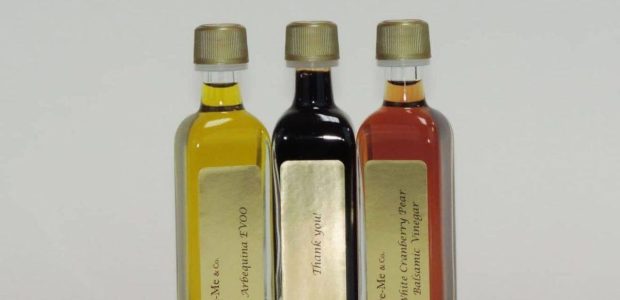
Fresh-harvest EVOOs: the flagship rotation — buy by intensity (robust for finishing, medium for everything, mild for baking). Infused oils: garlic, basil, lemon, chili — weeknight shortcuts that outperform bottled dressings. Aged balsamics: traditional dark plus fruit infusions — the pairing half of the tasting-room formula. Gift sets bundle the pairings counter staff would suggest.
Price & value
Specialty pricing, honestly earned: per-bottle costs above supermarket tiers, per-use costs trivial (finishing oils dose in teaspoons), and the quality delta obvious from the first peppery swallow. The known friction is shipping rates on small orders — the case for bundling into one seasonal order.
| Line | Use |
|---|---|
| Robust EVOO | Finishing, dipping, salads |
| Infused oils | Weeknight flavour shortcuts |
| Aged balsamic | Pairing, glazing, dessert |
→ Get the latest Big Horn Olive Oil deal
How to buy and taste
Start with a robust-plus-balsamic pairing — the combination the tasting-room model exists to sell. Taste like the pros: small pour, warm the cup, slurp with air, hunt the pepper at the back-throat (that sting is polyphenols, the freshness receipt). Store dark and cool, use within months of opening — fresh oil is produce, not pantry furniture.
Common mistakes
Cooking away a finishing oil's premium at high heat (medium tiers for the pan, robust for the plate); hoarding bottles past their liveliness; single-bottle orders that donate the margin to couriers; and judging intensity wrong for the household — mild exists precisely for the butter-swap crowd.
Vs alternatives
Against supermarket EVOO: a different product category wearing the same name — freshness and provenance versus anonymous blends. Against other specialty shippers: comparable quality tier; Big Horn's edge is the curated pairing culture and service scores. The lane: the tasting-room habit, made mail-order.
Quality, shipping & support
Freshness handling and packaging review well; service earns its 4.7. Honest notes: shipping rates sting on light orders, and popular harvest lots sell through — the specialty constants. Support answers pairing questions like staff, which is half the reorder argument.
Who should buy — and who should not
Buy Big Horn if flavour is the point — finishing oils, salad culture, bread-and-oil households, and gift-givers who want the pairing box that always lands.
Skip if oil is a frying commodity in your kitchen — supermarket mediums serve that math better.
Honest limits
Premium freshness costs premium money; stock rotates by nature; shipping economics favour planned orders. The category truth: you are buying produce logistics, and Big Horn runs them well.
Olive oil chemistry: polyphenols, harvest dates and the freshness clock
Extra virgin's health halo rests on polyphenols — oleocanthal, oleuropein and their cousins — the anti-inflammatory compounds concentrated at crush and declining steadily with age, heat and light exposure. Fresh-harvest oil carries multiples of the polyphenol load of the year-old supermarket blend, and your palate can audit it: oleocanthal specifically triggers the back-throat pepper sting (the same receptor ibuprofen touches — the famous two-cough test of oil tasters). Big Horn's hemisphere-rotation model exists to keep that chemistry alive on the shelf: Northern and Southern harvests alternate so stock is never far from its crush date.
Label literacy completes the audit: harvest date (not just best-by), varietal naming (Picual, Koroneiki, Arbequina behave differently), and origin specificity separate real fresh-oil retail from marketing. The “extra virgin” grade itself only floors the standard — acidity and defect thresholds — while freshness determines whether the grade still means anything by the time it hits your bread. A specialty shop's entire value proposition is managing that clock; the pepper in your throat is the proof of service.
Varietal literacy: matching oils to plates
Single-varietal EVOOs behave like grape varietals. Robust cultivars (Picual, Coratina): high-polyphenol, peppery, grassy — finishing oils for soups, grilled meats, hearty salads and the bread ritual. Medium profiles (Koroneiki, Hojiblanca): balanced fruit-and-pepper — the daily cooking backbone. Mild/delicate (Arbequina): buttery, almost sweet — baking, mayonnaise, fish, and the gateway oil for olive-sceptical households. The tasting-room model teaches this map by mouth; buying by intensity descriptor replicates it by mail.
The balsamic side runs its own taxonomy: traditional-style aged dark (grape must, barrel time, syrup body) for finishing and pairing, white balsamics for bright dressings that stain nothing, and fruit infusions (fig, raspberry, peach) that turn desserts and cheese boards into assembly rather than cooking. The pairing grammar is contrast: robust oil with sweet balsamic, delicate oil with bright acid — the counter's standing recommendation engine, portable.
The infused-oil kitchen: weeknight leverage
Infused oils are flavour infrastructure: garlic oil eliminates the mince-and-sauté step from half of weeknight cooking; basil oil finishes pasta, pizza and caprese out of season; citrus oils wake fish and salads; chili oil upgrades everything eggs. The in-house infusion distinction matters — real ingredient infusion versus essence-dropping — and shows in cooking behaviour: quality infusions carry their flavour through heat rather than evaporating at the pan's first sizzle.
Deployment economics: teaspoons, not glugs — a 200ml infused bottle finishes fifty-plus dishes, pricing each flavour-upgrade in cents. The starter trio logic (one savory, one herbal, one bright) covers the weekly menu's bases, and the gift-set versions of the same trio solve every host-gift and housewarming the calendar throws. Specialty pricing amortised across actual use is the cheapest cooking upgrade in the kitchen — the arithmetic the tasting room lets you taste before believing.
More questions oil buyers ask
Does cooking destroy EVOO's benefits?
Moderate sauté temperatures preserve most polyphenols — EVOO is more heat-stable than its myth. The premium finishing tiers simply deliver more flavour raw, which is why the robust bottle stays off the stove by economics, not chemistry.
How do I read a harvest date?
Crush month and year; count freshness in months from it. Under a year is live oil, under six months is the specialty sweet spot Big Horn's rotation targets.
Why do specialty oils cost more?
Early harvest (lower yield, higher polyphenols), fresh logistics and small-lot pressing — you are paying for chemistry and clock management, tasteable on arrival.
What is real balsamic versus salad-aisle balsamic?
Grape must and barrel age versus caramel-coloured vinegar. Body and finish tell you instantly: real balsamic coats a spoon and finishes sweet-tart without bite.
How should I gift oils?
Pairing sets (robust + traditional dark) with a use-card beat random bottles — the counter's formula, boxed. Hosts remember the strawberry-balsamic revelation longer than any wine.
The Mediterranean pattern: where premium oil earns its health billing
The EVOO health literature — cardiovascular outcomes, inflammatory markers, the PREDIMED-era trials — studied consumption patterns, not sprinkles: multiple daily tablespoons inside a vegetable-forward diet. Translating that to a household means oil as the default fat — dressings, finishing, sautés — at volumes where the polyphenol delta between fresh and stale oil becomes a real dietary variable rather than a rounding error. The fresh-oil premium, spread across that usage, prices the upgrade at pennies per serving; the supermarket bottle's savings buy mostly degraded chemistry.
The practical household conversion: robust bottle at the table (bread, salads, finishing), medium bottle at the stove, and the discipline of finishing bottles inside their liveliness window rather than museum-keeping them. Households that run this pattern report the shift the tasting room sells: oil stops being an ingredient and becomes a condiment culture — the exact behaviour change the Mediterranean literature quietly assumed all along. Big Horn's subscription-and-bundle cadence is that culture's logistics arm, which is the honest way to read its pricing.
The pantry ecosystem: building around the bottles
Specialty oil ownership reorganises a pantry's logic. The pourer upgrade (speed-control spouts) meters finishing oil into cents-per-plate territory; the dark cupboard by the stove — not on it, heat is the enemy — becomes the oil station; and the tasting cups from the first order turn dinner guests into the brand's next customers, which every tasting-room business quietly counts on. Pairing literacy compounds: the fig balsamic meets the cheese board, the chili oil meets everything eggs, the robust bottle meets sourdough — the recipe-free cooking upgrade that specialty retail actually sells.
The reorder rhythm settles by household size: the two-person kitchen cycles a 375ml pair quarterly; families run the 750ml tier; and the seasonal harvest calendar (new-crush announcements) gives the reorder its natural clock. Subscription-or-bundle economics at that rhythm civilise the premium — and the pantry that never runs stale-oil inventory again is the habit's quiet dividend. Score: 8.0 / 10.
Gifting the pantry: the specialty-food present that always lands
Specialty oil-and-vinegar sets occupy the host-gift sweet spot: consumable (no clutter guilt), premium-signalling (the tasting-room story does the talking), universally usable and dietary-safe by nature. The occasion map: housewarmings take the starter trio, weddings the full pairing library, corporate gifting the branded-neutral elegance the category carries, and the foodie birthday the single-varietal deep cut with the harvest story attached. The presentation economics favour bundles — the boxed pairing outperforms the lone bottle at equal spend — and the use-card addition (three pairing suggestions, handwritten) converts the gift from product to experience at zero cost.
The reciprocal dividend gift-givers discover: the recipient's strawberry-balsamic revelation becomes your dinner invitation, the pantry you seeded becomes the table you eat at, and the specialty-food gift economy reveals itself as the social investment it always was. Big Horn's gift-set curation is built for exactly this loop — the tasting room's hospitality, exported. Score: 8.0 / 10.
Cooking-school corner: techniques the bottles unlock
The specialty pantry teaches technique by invitation. The finishing discipline: heat off, plate ready, the robust oil's thread drawn last — the restaurant move that home kitchens skip and the peppery finish rewards. The emulsion family: fresh vinaigrettes at three-to-one ratios where oil quality is the entire recipe, and the balsamic reduction that the aged bottles arrive pre-thickened to skip. The infusion leverage: garlic-oil bases replacing recipe steps, chili-oil finishes replacing hot sauce's vinegar noise, citrus oils brightening fish without juice's acidity management. The bread ceremony: good sourdough, robust oil, aged balsamic pooled — the appetiser that outperforms effort by an order of magnitude and sells the pantry to every guest who dips.
The skill dividend compounds: households report the specialty bottles pulling them toward vegetable-forward, technique-lighter cooking — the Mediterranean drift the health literature keeps endorsing, arriving via flavour rather than discipline. The tasting room's deepest product was never the oil; it is the cook the oil creates. Score: 8.0 / 10.
Storage science: the pantry's three enemies
Oil chemistry names its killers precisely: light (UV catalyses oxidation — dark glass and closed cupboards), heat (the stove-adjacent shelf ages oil monthly what cool storage does yearly), and air (headspace oxidation — the argument for finishing opened bottles inside months and buying sizes matched to household pace). Balsamic forgives more (acidity preserves) but rewards the same discipline. The storage audit takes one minute and protects every premium the purchase paid — the last lesson of fresh-oil ownership, and the cheapest. Score: 8.0 / 10.
Big Horn discount codes & deals
Seasonal harvest promotions and bundle sets run through the year — check the current PrimeVouch listing for active codes; pairing bundles plus code are the rational entry.
FAQ
What makes fresh-harvest EVOO different?
Polyphenols and flavour peak at crush and decay with age — the peppery finish is the live-oil signature supermarket blends lost in transit.
Robust, medium or mild?
Robust for finishing and dipping, medium for daily cooking, mild for baking. Households split cases accordingly.
How should I store it?
Dark, cool, sealed — consumed within a few months of opening. Treat it like produce.
Are the balsamics traditional?
Aged dark balsamics in the Modena style plus fruit infusions — syrup-weight pairing partners for the oils.
Best first order?
One robust EVOO, one traditional balsamic, one infused oil you would use weekly — the counter's starter trio.
A month of eating like the tasting room
Week one: bread-and-oil evenings with the robust — recalibrate what olive oil means. Week two: the balsamic across salads, strawberries and (trust the counter) vanilla ice cream. Week three: infused-oil weeknights — garlic-oil pasta in the time takeout takes. Week four: the audit — bottles weighed, meals counted, reorder sized by what actually emptied. Specialty food survives on exactly this loop: taste, adopt, restock — and Big Horn's 96% recommendation rate is that loop, measured. Score: 8.0 / 10.