
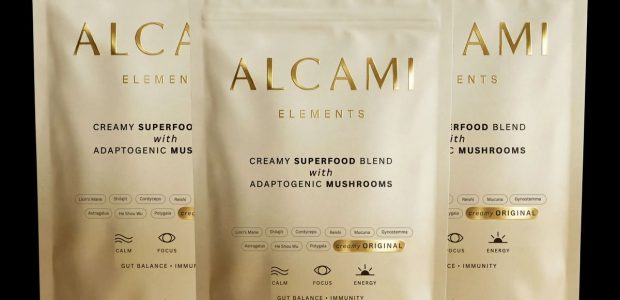

The morning-ritual category is crowded with mushroom powders that taste like forest floor and promise like late-night infomercials. Alcami Elements cut through it with one product done obsessively well: a creamy, ceremonial blend of nine adaptogens and functional mushrooms in potent 10:1 concentrations — Cordyceps, Lion's Mane, Reishi, Chaga, Ashwagandha, Rhodiola, Astragalus, He Shou Wu and Goji — that 1,341 reviewers have rated 4.78 out of 5.
The differentiators are texture and honesty: a genuinely creamy froth with subtle vanilla-caramel notes (no gritty sediment — the category's universal sin), third-party testing on every batch, and manufacture in an FDA-registered, GMP-certified facility. The recurring critique is equally honest: it is expensive, and reviewers say so while reordering.
Our verdict: Alcami is the best-tasting serious adaptogen blend we have covered — potent concentrations, clean manufacturing and a morning ritual people actually keep — at a premium price that is the entire debate. Score: 8.4 / 10.
→ Shop Alcami — see today’s best offer
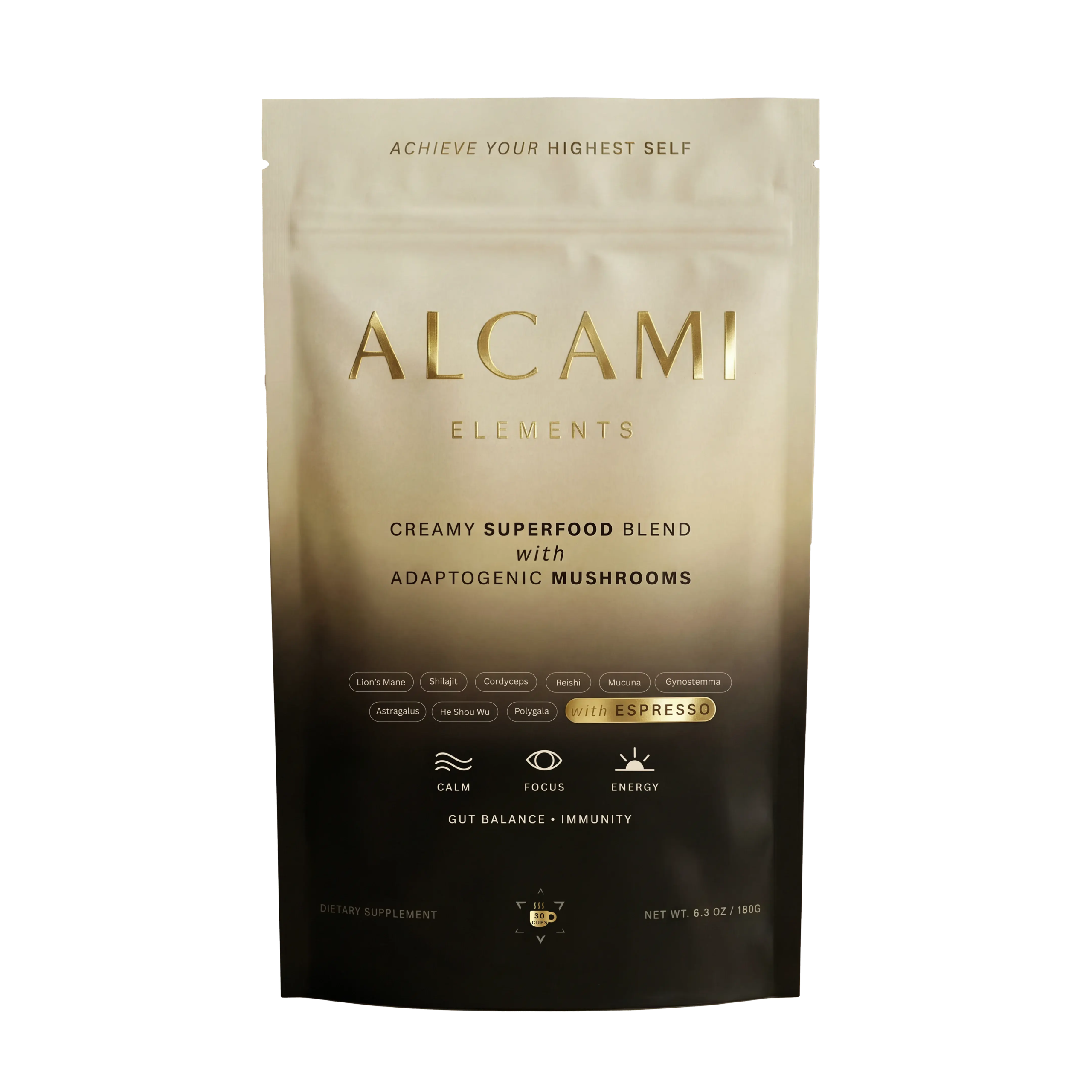
What makes Alcami different
Three engineering choices define it. Concentration: 10:1 extracts mean each serving carries tenfold-reduced raw material — the difference between herbal decoration and functional dosing that most cheaper blends blur. The nine-element formula: energy adaptogens (Cordyceps, Rhodiola), cognitive support (Lion's Mane), stress modulation (Ashwagandha, Reishi), immune foundations (Chaga, Astragalus) and traditional tonics (He Shou Wu, Goji) built as a system rather than a single-hero marketing play. Texture obsession: the creamy froth and zero-sediment finish that make daily consumption a pleasure rather than a discipline — the compliance engine hiding in plain sight.
Manufacturing backs the label: FDA-registered, GMP-certified facility, every batch third-party tested. In a category the regulators barely police, that stack is the trust infrastructure.
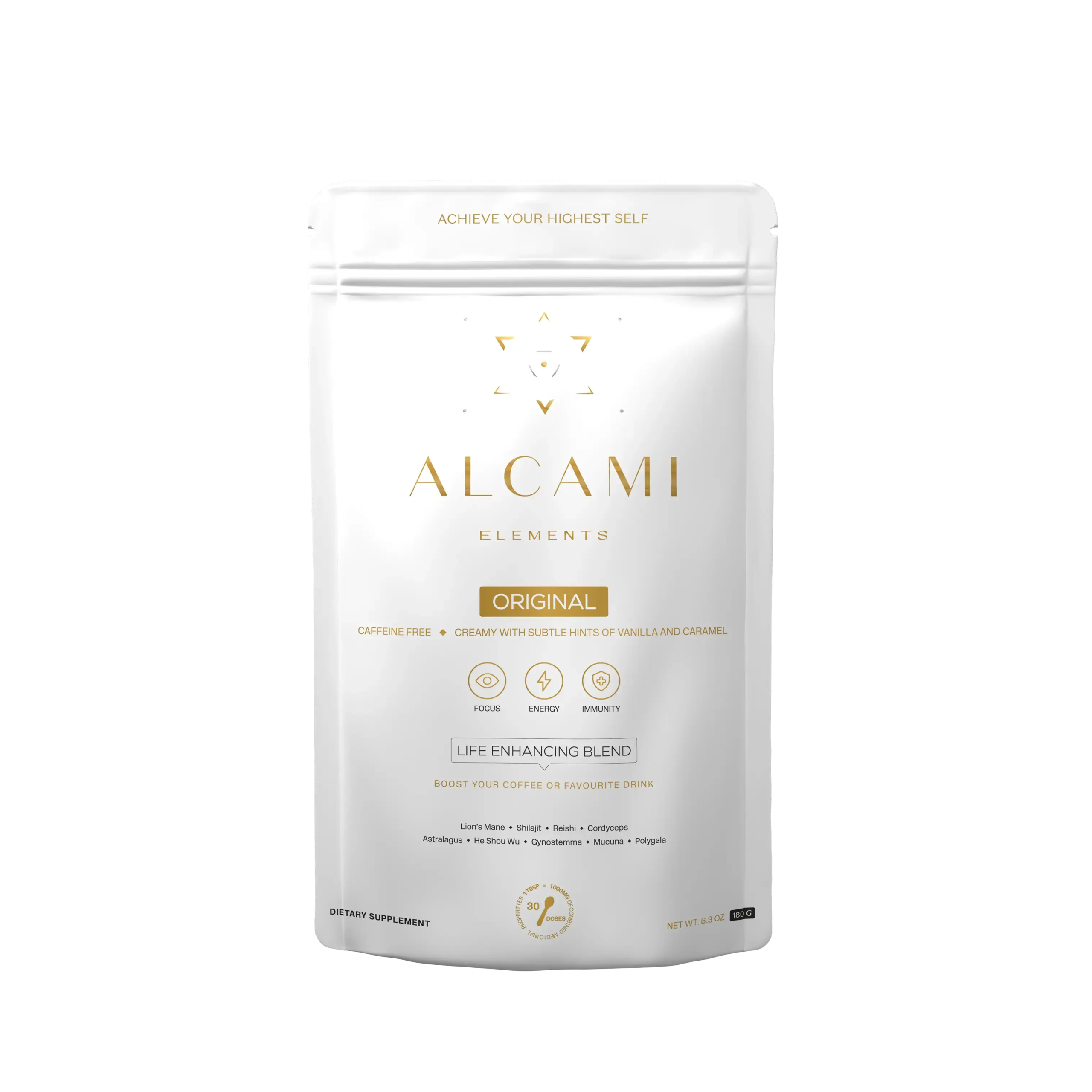
The star product: Alcami Original
Original is the flagship nine-blend — add hot water (or milk for full ceremony), whisk or froth, and the result drinks like a caffeine-optional latte with those vanilla-caramel notes reviewers keep confessing surprise over. Usage flexes across the day: morning grounding ritual, afternoon reset, or creative-session companion. The full-body effect profile — energy, focus, mood, resilience — arrives as background steadiness rather than stimulant spike, which is precisely the adaptogen promise kept.
The rest of the range
Cacao layers the blend into ceremonial chocolate territory; Matcha marries it to green-tea caffeine for the morning-coffee replacers; Espresso boosts actual coffee for the never-quitters. The Triple Bundle packages Original, Matcha and Cacao for rotation — the sampler logic most new buyers should start with, and the per-serving math's best friend.
Price & value
Premium is the honest label: per-serving cost lands well above drugstore mushroom coffee and meaningfully above mixing your own singles. What the premium buys: the 10:1 potency, the nine-blend convenience, batch testing, and the taste engineering that determines whether any of it gets consumed past week two. Reviewers' verdict pattern — “great product, too expensive” followed by reorder — is the value debate resolving itself in practice.
| Option | Positioning |
|---|---|
| Original | Flagship nine-blend |
| Cacao / Matcha / Espresso | Flavour-forward variants |
| Triple Bundle | Rotation + best math |
| Subscription | Habit pricing |
How to choose your blend
Coffee quitters: Matcha, whose L-theanine-plus-caffeine floor eases the landing. Coffee keepers: Espresso, boosting rather than replacing. Evening ritualists and chocolate people: Cacao. Purists and first-timers wanting the reference experience: Original, hot water, honest week. Undecided: the Triple Bundle exists precisely for you, and rotation turns out to be how many long-term users settle permanently.
Common buying mistakes to avoid
Judging adaptogens by day three — the literature and the reviews agree on weeks; cold-water mixing then blaming texture (the froth wants heat or a frother); megadosing for faster results (adaptogens plateau, they do not accelerate); ignoring the subscription math while reordering monthly at list; and expecting stimulant sensations from a category engineered for steadiness — the absence of jitter is the feature.
The nine elements, decoded
Cordyceps anchors the energy story — traditional performance mushroom with modern oxygen-utilisation research. Lion's Mane owns cognitive support via nerve-growth-factor pathways the nootropic literature keeps circling. Reishi and Ashwagandha run the calm axis — stress-response modulation with the deepest traditional pedigrees in the blend. Rhodiola adds fatigue resistance; Chaga and Astragalus hold the immune foundation; He Shou Wu and Goji round the tonic base traditional formulation logic demands. The system design matters: singles chase effects, blends chase equilibrium — and equilibrium is what daily users report.
Alcami vs alternatives
Against MUDWTR and Ryze (the category giants): Alcami wins taste and concentration honesty, loses on price and distribution ubiquity. Against single-mushroom powders: convenience and formulation versus DIY control and cost. Against plain coffee: different product entirely — steadiness versus spike, ritual versus fuel. The lane Alcami owns is premium ceremonial: the blend for people who want the practice to feel like one.
| Option | Why choose |
|---|---|
| Alcami | Taste + potency + ritual quality |
| MUDWTR / Ryze | Price, availability |
| DIY singles | Control, economy |
Quality, shipping & support
The manufacturing stack — FDA-registered facility, GMP certification, per-batch third-party testing — sits at the category's serious end, and the 4.78 average across 1,341 Judge.me reviews reflects operational consistency, not just product love. Shipping runs standard e-commerce timelines; support and subscription management draw routine praise. Amazon availability adds Prime logistics for the impatient at slightly different pricing.
What real customers say
The dominant notes: taste disbelief (“finally one that's delicious”), the creamy froth earning daily-ritual status, steady energy without crash, and sleep-quality mentions from evening Cacao users. The critiques: price, price, price — usually inside five-star reviews — plus occasional stock waits on bundles and the standard adaptogen reality that effects whisper before they speak.
Who should buy — and who should not
Buy Alcami if you want the category's best-tasting serious blend, you value tested potency over pantry-price powders, and a morning ritual you enjoy is worth premium per-serving cost.
Skip it if budget rules (respectable cheaper blends exist), you need clinical dosing of one specific mushroom (buy singles), or you expect coffee's kick from a category built for balance.
Honest limits
Adaptogens support; they do not transform — sleep, movement and daylight still run the show. Individual response varies genuinely; the two-week whisper phase filters the impatient. And premium pricing is structural, not promotional — the 10:1 concentrations and testing stack cost what they cost. Alcami's restraint in not overpromising is precisely why its review base reads credible.
Adaptogens 101: what the science actually supports
The adaptogen concept — botanicals that normalise stress response rather than push it one direction — carries decades of research of uneven quality, and honest buyers should know the shape of it. The strongest human evidence clusters around Ashwagandha (cortisol and perceived-stress reductions across multiple randomised trials), Rhodiola (fatigue and burnout endpoints), and Lion's Mane (early but repeated cognitive-support findings). Cordyceps and Reishi carry deep traditional records with modern research still maturing; Chaga, Astragalus, He Shou Wu and Goji ride mostly traditional and preclinical support. A blend's honest promise is therefore probabilistic: several evidence-backed pathways working modestly rather than one miracle working loudly.
Dosing context matters more than marketing admits: 10:1 concentration means Alcami's per-serving herb equivalents sit meaningfully above the decorative tier, but still below single-herb clinical doses for any one ingredient — the blend trade, stated plainly. Users chasing a specific studied effect (say, Ashwagandha's cortisol data) should run that single at clinical dose; users wanting broad daily support with taste that sustains the habit are the blend's actual audience. The category's dirty secret is that compliance beats potency for most real-world outcomes — and compliance is precisely what Alcami's flavour engineering purchases.
The ritual factor: why ceremony changes outcomes
The morning-ritual framing is not just branding poetry — habit research keeps confirming that anchored, sensory routines outlast willpower-based ones by wide margins. A blend that demands frothing, smells like vanilla-caramel and rewards slow sipping builds what behavioural scientists call implementation intention: the cue-behaviour loop that runs without deciding. Powder-in-water products fail their trials not on chemistry but on ceremony — nothing anchors, so nothing repeats.
Users who report Alcami “working” almost universally describe the ritual first: the five quiet minutes, the froth, the warmth before screens. Whether the steadiness that follows owes more to Cordyceps or to the institutionalised pause is a question the daily practitioner stops caring about — the stack of adaptogens plus ritual plus consistency delivers as a system, which is exactly how traditional preparation cultures always used these herbs. Buy it as chemistry and you may quibble; buy it as a practice with credible chemistry inside and the 4.78 stars make sense.
Kitchen variations: beyond hot water
The base recipe (two teaspoons, hot water, froth) is the reference; the range opens from there. Oat or whole milk turns Original into a legitimate latte; a banana-and-ice blend makes Cacao a dessert smoothie; Matcha over ice with lemon becomes the summer format; Espresso stirred into cold brew is the office move. Sweetener stays optional by design — the vanilla-caramel base note usually suffices, and honey partisans need only drops. The one rule survives every variation: heat or high-speed agitation for texture, because the creaminess is emulsion physics, not magic.
Batch tricks for the committed: pre-mixed dry jars for travel weeks, double-strength “concentrate” cubes frozen for smoothie mornings, and the office kit (mini frother, sachet jar) that keeps the ritual portable. The product's premium math improves with every context it colonises — a blend used seven mornings weekly amortises its price into coffee-shop irrelevance.
Can I take it while pregnant or nursing?
Several blend herbs (Ashwagandha notably) carry pregnancy cautions — this is an automatic consult-your-provider product for that season of life, as the brand's own FAQ signals.
Does it break a fast?
In water, the caloric load is minimal and most flexible fasters proceed; strict protocol runners slot it in the eating window. Milk preparations obviously join breakfast.
How does it store?
Cool, dry, sealed — the standard powder rules. The resealable pouches hold aroma well within their marked windows; humidity is the only real enemy.
Coffee replacement or coffee companion: mapping your transition
The blend serves two opposite migrations and conflating them causes most disappointment. The replacement path — for the jitter-fatigued and sleep-protective — runs Original or Cacao solo, accepts a one-week caffeine-withdrawal valley (headaches are the toll, hydration the mitigation), and lands on Matcha if a gentler caffeine floor proves necessary. The companion path keeps coffee and adds the adaptogen layer via Espresso blend or Original stirred into the usual cup — no withdrawal, additive steadiness, and the easiest on-ramp for sceptics. Reviewers who name their path before starting report satisfaction; those expecting replacement-level calm while double-cupping companion-style wrote the confused reviews.
The half-cup protocol suits the cautious: replace the second coffee first, hold the morning anchor, and let the afternoon crash comparison make the argument. Most conversions complete inside three weeks or settle honestly into hybrid — which the range's four blends were clearly designed to accommodate. There is no wrong lane; there is only knowing yours before the pouch opens, and letting the thirty-morning trial referee the rest.
The afternoon problem: adaptogens versus the 3pm wall
The corporate afternoon crash is caffeine culture's bill arriving, and the blend's second serving window targets it precisely: a half-dose Original at the 2pm mark delivers the ritual pause plus the adaptogenic floor without the cortisol spike that late coffee taxes sleep with. Desk-drawer logistics (sachets, mini-frother) make the office deployment practical, and the meeting-performance anecdotes in the review base cluster exactly here — steadiness through the hours caffeine abandons. The evening extension follows for Cacao users: the dessert-adjacent cup that replaces the doomscroll nightcap, closing the day the way the morning ritual opened it. One pouch, three windows — the per-serving premium amortised across the whole clock. Score: 8.4 / 10.
Alcami discount codes & deals
Alcami runs first-order incentives, bundle pricing and subscription discounts continuously. Check the current PrimeVouch listing for active codes — bundle-plus-subscription-plus-code is how the per-serving premium gets civilised.
Frequently asked questions
Does Alcami contain caffeine?
Original and Cacao are caffeine-optional (add to coffee if desired); Matcha carries green-tea caffeine; Espresso is built for coffee. Choose your floor.
When will I feel something?
Steadiness builds across one-to-three weeks of daily use — the adaptogen timeline, confirmed by the review base's arc. Day-one fireworks are not the product.
Is it safe with medications?
Adaptogens interact (thyroid, sedatives, immunosuppressants among others) — the pharmacist conversation applies before the first scoop, as with any serious botanical.
How do I get the creamy froth?
Heat plus agitation: hot water or milk, whisk or handheld frother, thirty seconds. Cold-stirred is the texture complaint's entire origin story.
Third-party tested — where's proof?
Every batch per the brand's published standards from its FDA-registered, GMP facility; the FAQ page documents the program.
Thirty mornings of ritual: the honest trial
Week one: same time daily, hot water, no verdicts — you are building the habit that makes the experiment valid, and learning the frother. Week two: the taste conversion typically lands here; note afternoon energy on a scale, not a feeling. Week three: steadiness reporting begins in most reviews — the caffeine-crash comparison becomes articulable, sleep notes surface for evening users. Week four: the audit — energy graph versus baseline, ritual-kept percentage, and the reorder decision that 4.78 stars suggests most trials end in. The premium price never gets cheaper; what changes is what you know it buys. That knowledge, thirty mornings deep, is the only review that matters — Alcami just makes the trial delicious enough to finish.