
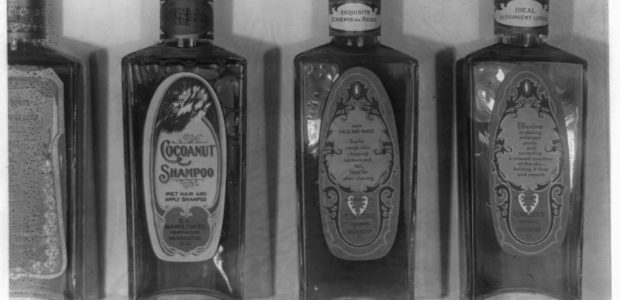

Best Clean Skincare Brands (2026): “clean” is an unregulated marketing word — so we ignored the label and judged brands on what actually matters: real transparency, gentle-but-effective formulas, and results you can see. These are the clean skincare brands worth your money, sorted by who they’re for.
Quick picks
🥇 Best overall: Youth to the People — clean formulas that actually perform. 👉 Check price →
💰 Best value / sensitive skin: Beauty by Earth — gentle, affordable, effective. 👉 Check price →
💎 Best luxury: Tata Harper — farm-grown, high-performance botanicals. 👉 Check price →
First, the honest truth about “clean” skincare
Before we recommend a single brand, you deserve the truth the industry glosses over: “clean,” “natural,” and “non-toxic” are not regulated terms. There’s no legal standard a product must meet to print them on a label, and — importantly — “natural” doesn’t automatically mean safer, while “chemical” doesn’t mean dangerous (water is a chemical; poison ivy is natural). Dermatologists will rightly tell you a well-formulated conventional product can be every bit as gentle and effective as a clean one.
So why write this guide at all? Because for a lot of people, clean skincare solves real problems even if the marketing is fuzzy. If your skin reacts to synthetic fragrances, certain preservatives, or specific ingredients, a brand built to exclude those genuinely lowers your odds of irritation. If you care about transparency, sustainability, cruelty-free sourcing, or simply prefer plant-forward formulas, those are legitimate reasons to choose a brand. Our rule for this list was strict: a brand had to be genuinely transparent about ingredients and actually deliver results — because gentle-but-useless is just expensive lotion. Here are the ones that passed.
How we judged them
Efficacy (35%): do the products actually work — hydrate, brighten, calm, protect? Ingredient transparency & safety (30%): genuinely open ingredient lists, thoughtful formulation, and credible certifications rather than vague “clean” claims. Suitability & gentleness (20%): how well they serve sensitive and reactive skin. Value (15%): results per dollar, across a range of budgets. We deliberately included brands from drugstore-affordable to luxury, because “clean” shouldn’t mean “only for people with $100 to spend on a serum.”
| Brand | Best for | Known for | Price tier |
|---|---|---|---|
| Youth to the People | Overall | Superfood actives that perform, vegan | Mid |
| Beauty by Earth | Value / sensitive skin | Gentle, affordable, self-tanner | Budget |
| Tata Harper | Luxury | Farm-grown, high-performance botanicals | Luxury |
| True Botanicals | Results / anti-aging | Clinically tested clean formulas | Premium |
| Herbivore Botanicals | Glow / minimalist | Beautiful, plant-based, sensorial | Mid |
| Pacifica | Budget / vegan | Affordable, drugstore-available, vegan | Budget |
1. Youth to the People — Best overall
Youth to the People is the brand that best answers the “clean but does it work?” question. Its formulas pair genuinely clean, vegan, thoughtfully sourced ingredients with real, results-driven actives — think antioxidant-rich “superfood” cleansers, vitamin C, peptides, and hydrators that hold their own against conventional skincare. Its Superfood Antioxidant Cleanser and Kombucha toner have earned cult status precisely because they perform, not just because they look good on a shelf.
The brand is also transparent, cruelty-free, and sustainability-minded (recyclable glass packaging), landing at a mid-range price that’s accessible without being cheap. For most people who want clean skincare that actually earns its place in the routine, this is the confident first recommendation.
Pros: effective actives, clean + vegan, transparent, sustainable packaging. Cons: not the cheapest; some actives may not suit very reactive skin.
2. Tata Harper — Best luxury
If budget isn’t the constraint, Tata Harper is the clean brand that feels — and performs — like true luxury. Famously made on the brand’s own Vermont farm, its products are built on high concentrations of natural, high-performance botanicals, with a transparency about sourcing that most luxury brands can’t match. The textures, scents, and results are genuinely special; this is skincare as a ritual, and the anti-aging and glow-boosting formulas deliver.
The obvious catch is price — this is a splurge line, full stop. But for someone who wants the clean-luxury experience and will actually use it, it’s the real thing rather than a marketing veneer.
Pros: farm-grown botanicals, high performance, exceptional transparency, luxurious. Cons: expensive.
3. Beauty by Earth — Best value & for sensitive skin
Beauty by Earth proves clean skincare doesn’t have to be expensive. This US brand built a cult following on gentle, vegan, cruelty-free formulas — most famously an organic self-tanner that won’t turn you orange — at prices closer to the drugstore than the luxury counter. For sensitive and reactive skin, its aloe-, shea-, and botanical-based products are a repeatedly praised low-irritation choice, and the broader line (vitamin C serum, mineral sunscreen, natural deodorant) follows the same gentle, affordable philosophy.
The trade-off is that its results are gentle and gradual rather than clinical-strength — a feature for sensitive skin, a limitation if you want aggressive actives. For anyone who wants clean, kind, effective basics without the premium markup, it’s our value pick. Read our full Beauty by Earth review →
Pros: very affordable, gentle, vegan & cruelty-free, great for sensitive skin. Cons: gentle results; not a clinical-actives brand.
Not sure what “clean” should actually mean for your skin? Jump to how to choose below.
4. True Botanicals — Best for visible results & anti-aging
True Botanicals is the clean brand for people who want proof, not promises. It’s known for clinically tested formulas that pair botanicals with minimalist, irritant-light bases — an approach designed to deliver measurable anti-aging and radiance benefits while staying friendly to sensitive skin. Its vitamin C, renewing serums, and a sheer zinc SPF have strong reputations among people who want clean skincare that behaves like results-driven skincare.
It sits at a premium price, and it’s more “clinical clean” than “spa clean” — the appeal is efficacy first. If your priority is visible improvement (fine lines, tone, glow) from a clean line you can trust, this is the pick.
Pros: clinically tested, results-focused, sensitive-skin friendly, transparent. Cons: premium price.
5. Herbivore Botanicals — Best for glow & minimalists
Herbivore started in a Seattle kitchen and still feels handcrafted — beautiful, plant-based, sensorial products with short, transparent ingredient lists. It’s the pick for someone who wants a minimalist, feel-good routine: think glow-giving facial oils, a popular bakuchiol (gentle retinol alternative) serum, and clean masks that make skincare a small pleasure rather than a chore. The aesthetics are gorgeous, but the formulas back them up for everyday glow and hydration.
It’s mid-priced and leans toward gentle, natural results rather than heavy-duty actives. For minimalists and anyone who wants clean skincare that feels lovely to use, it’s a joy.
Pros: beautiful minimalist formulas, transparent, gentle glow, bakuchiol option. Cons: not for those wanting strong clinical actives.
👉 Check Herbivore Botanicals →
6. Pacifica — Best budget & vegan
Pacifica is the accessible, drugstore-available option that makes clean, 100% vegan skincare genuinely affordable. You’ll find it without a luxury markup, and it covers the basics — cleansers, moisturizers, serums — with vegan, cruelty-free formulas and a strong recycling ethos. It won’t match the performance or refinement of the premium picks, and formulas can be hit-or-miss across the wide range, but for a clean, vegan routine on a tight budget, it’s a sensible starting point.
Pros: very affordable, 100% vegan, widely available, eco-minded. Cons: variable performance; basic vs premium brands.
Watch: clean skincare brands, reviewed
How to choose clean skincare (the buying guide)
Skip the label hype. These are the things that actually matter.
1. Look past “clean” to the actual ingredient list
Since “clean” is unregulated, judge the product, not the buzzword. A transparent, complete ingredient list is the real green flag — brands proud of their formulas show them clearly. Vague “free from toxins” marketing with no specifics is a yellow flag.
2. Match formulas to your skin type
Sensitive or reactive? Prioritize gentle, fragrance-free, minimalist formulas (Beauty by Earth, True Botanicals). Want anti-aging results? Look for proven actives (vitamin C, peptides, bakuchiol). Oily or acne-prone? Lightweight, non-comedogenic textures. Clean or not, the fit to your skin matters most.
3. Don’t skip sunscreen
The most effective anti-aging step is daily SPF. Several of these brands make gentle mineral sunscreens — use one. No serum matters if you skip sun protection.
4. Introduce one product at a time
Clean or not, adding five new products at once is how you trigger irritation and never know the cause. Patch-test and add gradually — especially with active ingredients.
5. Certifications can help (but aren’t everything)
Credible marks (cruelty-free/Leaping Bunny, MADE SAFE, etc.) add trust, but a thoughtful, transparent formula from a brand you trust matters more than any single logo.
Is clean skincare actually better? The honest answer
Not automatically — and any brand claiming clean is inherently superior is overselling. A well-formulated conventional product can be just as safe and often more effective, and “natural” ingredients can irritate too. But clean skincare is a smart, low-risk choice for the right person: sensitive skin that reacts to synthetics, shoppers who value transparency and cruelty-free sourcing, and anyone who simply prefers plant-forward formulas. The brands above earn a spot because they don’t hide behind the word “clean” — they deliver real results and real transparency. Buy them for gentleness, values, and performance, not because you’ve been scared about “chemicals.”
Frequently asked questions
Does “clean” skincare actually mean anything?
Not officially — it’s an unregulated marketing term with no legal standard. Judge products by their actual ingredient lists, transparency, and results rather than the word “clean” on the front.
Is clean skincare better for sensitive skin?
Often, yes — because clean brands tend to exclude synthetic fragrances and certain irritants that trigger reactions. But “fragrance-free” and “gentle formulation” matter more than “clean.” Patch-test any new product.
Are natural ingredients safer than synthetic ones?
Not inherently. Some natural ingredients (like essential oils) can irritate, and many synthetics are extremely safe and well-studied. Safety depends on the specific ingredient and formulation, not on natural vs synthetic.
Do I need a whole clean routine, or just some products?
You can mix and match. Many people use clean products where it matters most to them (like sunscreen or a leave-on serum) and aren’t dogmatic about the rest. A good routine beats a “perfectly clean” one.
What’s the most affordable clean brand here?
Beauty by Earth and Pacifica are the budget-friendly, widely accessible picks — proof that clean skincare doesn’t require a luxury budget.
A simple clean skincare routine that actually works
You don’t need ten steps or a bathroom full of bottles. A genuinely effective routine — clean or otherwise — is short, consistent, and built around a few things that matter. In the morning: a gentle cleanser, an antioxidant serum (vitamin C is the classic for brightness and protection), a moisturizer suited to your skin type, and — non-negotiable — sunscreen. In the evening: cleanse to remove the day, apply any treatment (a gentle retinol alternative like bakuchiol, or a hydrating or repairing serum), and moisturize. That’s it. Everything else is optional refinement.
The magic isn’t in owning the most products; it’s in doing the basics consistently for months. Most people would see better skin from nailing “gentle cleanser, daily sunscreen, one good moisturizer” than from constantly chasing new serums. Clean brands make excellent versions of all of these, so you can build this exact routine from the picks above at any budget — Beauty by Earth or Pacifica on the low end, Youth to the People in the middle, True Botanicals or Tata Harper at the top. Pick your tier, keep it simple, and give it time.
Ingredients worth seeking — and the fear-mongering to ignore
Clean marketing loves a villain, so let’s separate the genuinely useful from the scare tactics. Ingredients worth seeking out because they’re backed by real evidence: vitamin C (brightening, antioxidant), niacinamide (calming, barrier support), hyaluronic acid (hydration), peptides (support firmness), bakuchiol (a gentle, plant-derived retinol alternative), and zinc oxide (mineral sun protection). These appear across clean and conventional lines alike, and they’re where results actually come from.
On the flip side, be skeptical of blanket “toxin-free” fear-mongering. The scary-sounding “chemicals” clean marketing warns about are often either present in doses far too low to matter or perfectly safe when properly formulated. “Paraben-free,” “sulfate-free,” and “fragrance-free” can be meaningful for your skin if you personally react to those things — but they’re not universal signs of a superior product. The useful clean brands earn trust by being transparent about what’s in the bottle and why; the ones to be wary of sell you fear about what’s not in it without evidence. Focus on proven, well-formulated actives that suit your skin, and let the fear-based marketing wash off.
How to transition to clean skincare without wrecking your skin
If you’re switching to a clean routine, the fastest way to a bad outcome is to throw out everything and start ten new products at once — a recipe for irritation you can’t diagnose. Do it gradually instead. Replace one product at a time, starting with whatever you use most (often cleanser or moisturizer), and give each new product a week or two before adding another. Patch-test actives (retinol alternatives, acids, vitamin C) on your inner arm or jaw before applying to your whole face, especially if your skin is reactive. Introduce sunscreen and gentle basics first; save stronger treatments for once your skin is settled. And don’t feel obligated to go 100% “clean” overnight — many people happily keep a favorite conventional product or two. A calm, gradual transition protects your skin barrier and lets you actually tell what’s working.
A couple more questions
Is expensive clean skincare worth it over budget clean brands?
Sometimes, but not always. Premium brands like Tata Harper and True Botanicals offer refined textures, higher active concentrations, and clinical testing that can justify the price for results-seekers. But budget clean brands like Beauty by Earth and Pacifica cover the fundamentals well. Spend up where it matters to you (often a leave-on treatment or serum) and save on the basics.
Can I mix clean and conventional products?
Absolutely. Your skin doesn’t know or care whether a product is marketed as “clean.” Many people use clean products where it matters most to them and conventional ones elsewhere. A routine that works for your skin beats a dogmatically “clean” one that doesn’t.
The verdict
For most people, Youth to the People is the best clean skincare brand — genuinely clean formulas that actually perform. Sensitive skin or a tight budget? Beauty by Earth is gentle, effective, and affordable (see our full review). Want luxury or clinically proven results? Tata Harper and True Botanicals deliver. Whatever you choose, look past the word “clean” to the ingredient list and your own skin’s needs — that’s how you buy skincare that’s actually worth it.
Affiliate disclosure: PrimeVouch may earn a commission if you buy through links on this page, at no extra cost to you. Our scores and opinions are our own. Prices and availability change — confirm current details on the retailer’s site. Skincare results vary; patch-test new products if you have sensitive skin.
Image credits: featured photo by National Photo Company Collection (Public domain); in-article photo by not researched (CC BY 4.0); via Wikimedia Commons.