


Best Air Fryers (2026): we ran the most popular models through the same fries-and-wings gauntlet to find which ones are actually worth your counter space — and which are overpriced fans in a plastic box. Three earned a spot. Here’s the honest ranking.
Quick picks
🥇 Best overall: Cosori TurboBlaze — crispiest results, quiet, fast. 👉 Check price →
💸 Best value: Instant Vortex Plus — most accurate temps for the money. 👉 Check price →
👨👩👧 Best for families: Ninja Foodi DualZone — two baskets, two foods, one finish time. 👉 Check price →
Why most “best air fryer” lists are useless
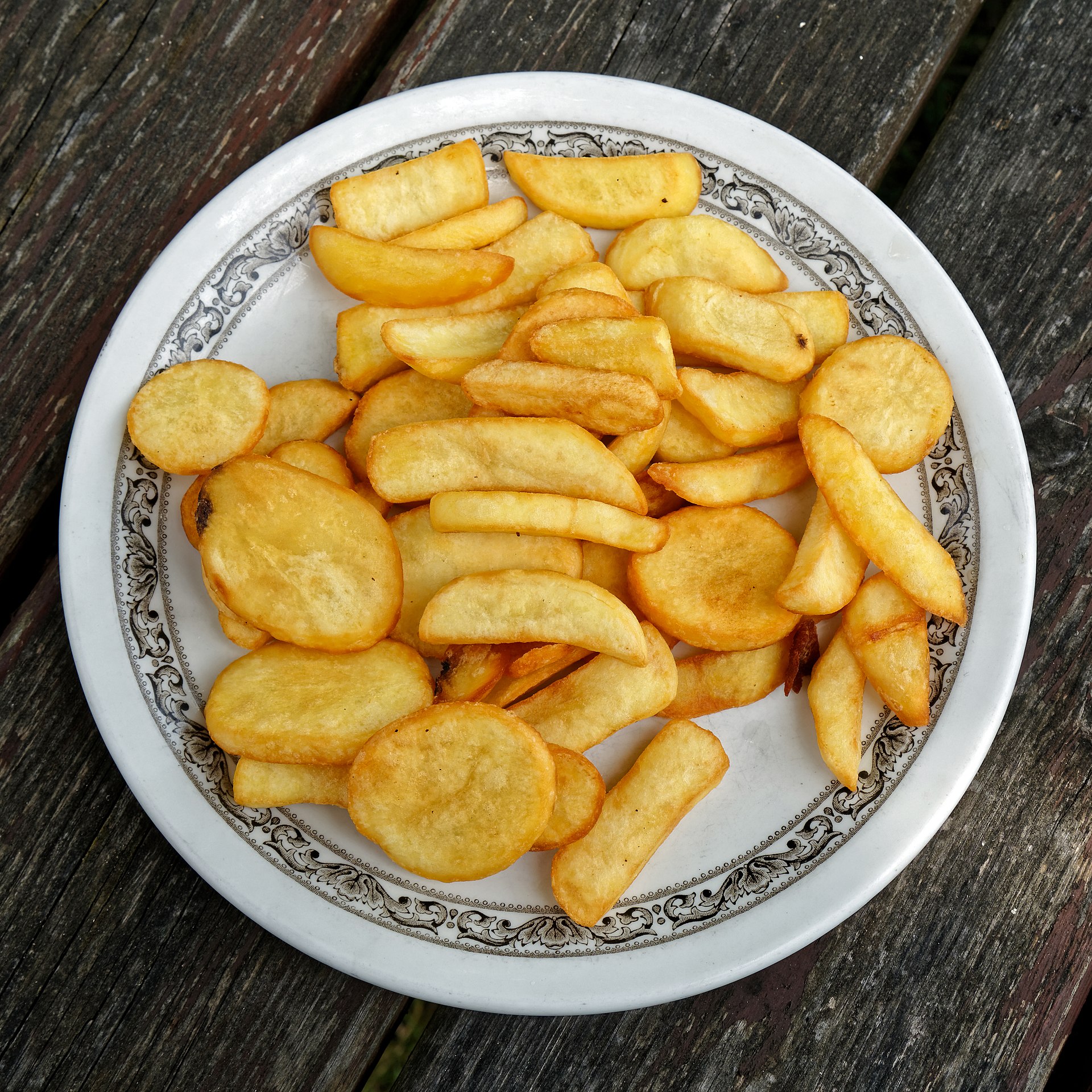
Here’s the dirty secret of air fryer reviews: almost any air fryer will make a frozen french fry taste fine. The bar is low, the marketing is loud, and every brand claims to be “the crispiest.” So we threw out the marketing and cooked. Same frozen fries, same fresh wings, same store-brand tater tots, in every machine, back to back — then we looked at three things that actually matter in a real kitchen: how evenly it crisps, how accurate the temperature really is, and how annoying it is to live with (noise, footprint, and cleanup).
That last one is the quiet dealbreaker. A machine that crisps beautifully but sounds like a hairdryer, swallows half your counter, and has a basket you dread scrubbing will end up in the cabinet by month two. The winners below nailed the food and the daily-life test. We’ve grouped them so you can skip to the one that fits your kitchen.
How we tested (and who each pick is for)
We cooked the same three foods in every unit: frozen fries (even cooking + dryness), fresh chicken wings (browning + render), and tater tots (crunch). We checked real internal temperature against the dial with a probe thermometer, measured noise, and timed preheat. We also lived with each one for everyday cooking — reheating pizza, roasting veggies, doing weeknight chicken — because that’s what you’ll actually use it for, not lab fries.
One note before the picks: capacity numbers across brands aren’t apples-to-apples. A “6-quart” from one brand fits a different amount than another’s. We’ve translated each into plain “how many people” language so you don’t get burned by marketing math.
| Model | Best for | Capacity (real) | Standout | Watch out |
|---|---|---|---|---|
| Cosori TurboBlaze | Overall crispiness | ~2–4 people | Crispiest fries, quiet, fast preheat | Premium price |
| Instant Vortex Plus | Value + accuracy | ~2–4 people | Spot-on temps | Slight plastic smell when new |
| Ninja Foodi DualZone | Families / two dishes | ~4–6 people | Two baskets, sync finish | Big footprint |
| Typhur Dome | Premium / large batches | ~5–6 people | Even, high-end build | Expensive, large |
| Chefman TurboFry | Tight budget | ~1–3 people | Cheap, simple, compact | Basic, less even |
1. Cosori TurboBlaze — Best overall
If you just want the best results without overthinking it, this is the one. Across our fries and tots, the Cosori produced the most consistent golden-brown crunch with a soft interior — the texture people actually mean when they say “air-fryer crispy.” It also preheats fast and runs noticeably quieter than most competitors, which matters more than you’d think when it’s sitting three feet from where you eat.
The controls are intuitive, the basket is easy to clean, and the airflow design earns its keep on the foods most people cook. It costs more than a basic model, but it’s the rare premium pick where you can actually taste where the money went. For most kitchens, this is the safe, satisfying buy.
Pros: crispiest, quiet, fast preheat, easy cleanup. Cons: price; mid-size capacity.
👉 Check the current Cosori TurboBlaze price →
2. Ninja Foodi DualZone — Best for families
The Ninja’s trick is two independent baskets. You can run fries in one and wings in the other at different temps, and its “Smart Finish” syncs them to be done at the same moment — which solves the single most annoying air-fryer problem: cooking food in shifts while the first batch goes cold. For a household feeding three to six people, that’s genuinely life-changing on a weeknight.
Crisping is very good — not quite Cosori-level on fine fries, but excellent on wings and anything with its own fat to render. The trade-off is size: the DualZone is a big appliance and it will claim real estate on your counter. If you cook for a family or love cooking two things at once, that footprint is a fair price. If you live alone in a small kitchen, it’s overkill.
Pros: two foods at once, big capacity, great on wings. Cons: large footprint.
👉 Check the current Ninja Foodi DualZone price →
3. Instant Vortex Plus — Best value
The Vortex Plus was the temperature champion of our group: when we probed the real internal temp against the dial, it tracked within a degree or two, trial after trial. That accuracy is exactly what you want for foods where doneness matters — chicken, salmon, anything you don’t want to overshoot into shoe leather. It crisps well, the ClearCook window lets you watch without yanking the basket, and it usually costs less than the premium picks.
Our only nitpick: like a lot of new appliances, it can carry a faint plastic smell for the first few uses. Run it empty at high heat once or twice and it fades. For the price-to-performance ratio, this is the smart-money pick.
Pros: excellent temperature accuracy, good price, view window. Cons: brief break-in smell.
👉 Check the current Instant Vortex Plus price →
Not sure which size to get? Jump to how to choose below — capacity is the #1 thing people get wrong.
4. Typhur Dome — Best premium / large batches
If counter space and budget aren’t constraints, the Typhur Dome is the splurge. It’s large, beautifully built, and cooks big batches evenly — the kind of machine that handles a full tray of wings for guests without making you cook in rounds. The interface feels high-end and the even airflow shows on larger loads where cheaper units leave hot spots.
It’s expensive and it’s big, full stop. This isn’t the pick for a studio apartment or a casual once-a-week fry. But for a serious home cook or a household that entertains, it earns its place.
Pros: even on big batches, premium build. Cons: price, size.
👉 Check the current Typhur Dome price →
5. Chefman TurboFry — Best on a tight budget
Sometimes you just want a no-drama air fryer for one or two people, and the Chefman delivers. It’s compact, cheap, and genuinely fine for the everyday stuff — reheating, frozen snacks, a single chicken breast. You won’t get the even, controlled crisp of the Cosori or the accuracy of the Vortex, and the controls are basic, but for the money it does the core job.
Buy it knowing what it is: an entry point, not a forever appliance. For a dorm, a small kitchen, or a first air fryer to see if you’ll even use one, it’s a sensible, low-risk start.
Pros: cheap, compact, simple. Cons: less even, basic controls.
👉 Check the current Chefman TurboFry price →
Watch: popular air fryers compared
How to choose an air fryer (the buying guide)
Skip the spec-sheet rabbit hole. Four things actually decide whether you’ll love your air fryer:
1. Capacity — match it to your real life
This is the #1 mistake. Too small and you’re cooking in frustrating batches; too big and it hogs the counter and wastes energy preheating a cavern for two wings. Cooking for 1–2 people? A 4-quart-ish basket is plenty. For 3–4, step up to 5–6 quarts. Family of 4+ or you entertain? Look at dual-basket (Ninja) or large single (Typhur).
2. Basket vs oven style
Basket air fryers (all our top picks) crisp hardest and clean easiest — best for fries, wings, frozen foods. Oven-style “air fry” toaster ovens are more versatile (toast, bake, multiple racks) but usually crisp a little less aggressively and take more space. Most people want a basket.
3. Wattage and preheat
Higher wattage generally means faster preheat and better recovery when you add cold food. The premium picks heat up fast; budget units lag. If you cook on busy weeknights, that adds up.
4. Cleanup
A nonstick, dishwasher-safe basket is the difference between using your air fryer daily and resenting it. Check that the crisper plate — the part that actually gets gunky — is easy to remove and clean.
Mistakes to avoid
Overcrowding the basket. The #1 reason food comes out soggy instead of crispy — air needs room to circulate. Cook in a single layer; do a second batch if needed. Skipping the shake. Toss or flip halfway for even browning. Using cooking spray that wrecks the coating. Aerosol sprays can degrade nonstick over time; brush on a little oil instead. Buying purely on capacity. Bigger isn’t better if it lives in a cabinet because it’s a pain to haul out.
Frequently asked questions
Do air fryers actually use less oil?
Yes — they crisp with circulating hot air, so you use little to no oil compared with deep frying. For frozen foods you often need none at all. It’s a genuinely lighter way to get a fried texture.
What’s the most-used setting?
Most people live around 375–400°F for fries, wings, and frozen snacks. Once you learn your machine, you’ll rarely touch the fancy presets.
Can I put aluminum foil or parchment in it?
Usually yes, if it’s weighed down by food and doesn’t block the airflow holes. Never preheat with loose foil or parchment — it can fly into the heating element.
Single basket or dual basket?
Cook mostly for 1–2 and want the crispiest single food? Single basket (Cosori). Feeding a family two different foods at once? Dual basket (Ninja) saves real time.
Are expensive air fryers worth it?
Up to a point. The jump from a $40 unit to a quality mid-premium model (Cosori/Instant) is very noticeable in evenness and daily livability. Beyond that, you’re paying for size and finish, not dramatically better fries.
How air fryers actually work — and are they healthy?
An air fryer is, mechanically, a small convection oven with attitude. A heating element sits right above a powerful fan, and that fan blasts hot air around food in a perforated basket at high speed. The fast-moving heat dries and browns the surface through the Maillard reaction — the same chemistry that crisps a deep-fried fry — but using little or no oil. That’s the whole trick: you get a fried-like exterior from circulating air instead of a vat of hot fat.
Is it healthier than deep frying? In the ways most people care about, yes. Because you use a fraction of the oil — often none for frozen foods — you cut a meaningful amount of fat and calories versus submerging food in oil. You also avoid the lingering fryer smell, the disposal of used oil, and the splatter. It’s worth keeping perspective: an air fryer doesn’t turn fried chicken into a salad, and air-frying a frozen, breaded, processed food is still a processed food. But as a swap for deep frying, it’s a genuine, easy upgrade — and it nudges people toward cooking more vegetables and proteins at home, which is the real win.
One honest caveat that gets overblown online: yes, browning any starchy food at high heat (in an oven, a fryer, or an air fryer) can form acrylamide. The practical advice is simple and the same as it’s always been — aim for golden, not dark brown, and don’t incinerate your fries. Do that and an air fryer is one of the more sensible cooking tools you can own.
Foods that shine in an air fryer — and ones that don’t
Knowing what to cook is half the value. Air fryers excel at anything you want crispy on the outside: frozen fries and tots, chicken wings, breaded cutlets, bacon, roasted chickpeas, and vegetables like Brussels sprouts, broccoli, and potatoes that love a charred edge. Reheating is a sleeper use — day-old pizza and leftover fries come back crisp instead of soggy, the way a microwave never manages.
They struggle with wet batters (they drip through the basket before they set — stick to breaded coatings), large roasts that won’t fit the airflow, cheese-heavy dishes that melt and make a mess, and delicate leafy items that simply blow around in the fan. And anything you want steamed or saucy isn’t the air fryer’s job. Learn the lane it’s great in and you’ll reach for it constantly; ask it to be your only appliance and you’ll be disappointed.
Air fryer accessories: what’s worth it
You don’t need much, but a few cheap add-ons genuinely help. Perforated parchment liners make cleanup faster for sticky foods (just don’t preheat with them loose). A small silicone-tipped tong saves your fingers and your basket coating when flipping. An instant-read meat thermometer is the single best $15 you can spend — it takes the guesswork out of chicken and keeps you from overcooking.
What to skip: giant “accessory kits” with racks and pans you’ll use once, and metal utensils that scratch the nonstick. The basket and a good thermometer cover 95% of real cooking.
Caring for your air fryer so it lasts
The number-one way people kill an air fryer is letting grease bake onto the basket and crisper plate until food sticks and the coating fails. Avoid it with a 60-second habit: let the basket cool, then wash it with warm soapy water after each greasy cook (wings, bacon) — not once a week. Wipe the heating element occasionally when it’s cool to stop smoke from old splatter. Don’t use abrasive scrubbers or aerosol sprays that degrade the nonstick. Treated decently, a quality air fryer easily lasts years; neglected, even a great one turns into a sticky, smoky paperweight.
A couple more questions
Does an air fryer use a lot of electricity?
No — because it’s small and cooks fast, it usually uses less energy than heating a full-size oven for the same food. For small batches it’s one of the more efficient ways to cook.
Can it replace my oven?
For one or two people doing crispy foods and reheating, it can handle the majority of weeknight cooking. For baking, big roasts, or feeding a crowd, you’ll still want a real oven. Most people use both.
Air fryer vs oven vs deep fryer: which should you actually use?
People agonize over this, so here’s the plain-English breakdown. A deep fryer still makes the gold-standard fried texture — nothing matches oil for a wet-battered onion ring or proper fried chicken. But it’s a hassle most home cooks won’t keep up: gallons of oil to buy, heat, filter, store, and eventually dispose of, plus the smell and the splatter and the very real burn risk. For 90% of households, that ritual is why the deep fryer lives in the basement.
A full-size oven is the most versatile — it bakes, roasts a turkey, fits sheet pans, and feeds a crowd. But it’s slow to preheat, heats your whole kitchen in summer, and uses more energy for a small job. The air fryer splits the difference: it gets you 85–90% of deep-fried crispiness with almost no oil, preheats in a couple of minutes, and is small enough to use on a whim. Its limits are capacity and the wet-batter problem.
The honest recommendation: for one to four people who mostly want crispy foods, quick reheats, and easy roasted vegetables on busy nights, the air fryer becomes the appliance you reach for five nights a week — and the oven becomes the thing you use on weekends and holidays. You don’t have to choose one forever; you just need to know which tool fits the meal in front of you. Buy the air fryer for the weeknights, keep the oven for the big stuff, and let the deep fryer stay retired.
How we scored these — in detail
For transparency, here’s exactly how each model earned its place. Crispiness (40%): graded on frozen fries, fresh wings, and tater tots cooked at the same temps, judged on even browning and interior texture. Temperature accuracy (20%): probed real internal temp against the set dial across multiple runs. Everyday livability (25%): noise, preheat speed, footprint, and how easy the basket and crisper plate are to clean. Value (15%): performance relative to price, including capacity for the money. A model had to do well across all four to make the list — a one-trick unit that crisps great but is miserable to live with didn’t cut it, and neither did a quiet, pretty machine that turned out soggy fries.
The verdict
For most people, the Cosori TurboBlaze is the air fryer to buy — it nails the crispiness and the daily-life test better than anything at its price. Want the best value? The Instant Vortex Plus gets you 90% of the way for less. Feeding a family or cooking two foods at once? The Ninja Foodi DualZone is worth the counter space. Buy the one that matches your kitchen, not the one with the loudest box.
Affiliate disclosure: PrimeVouch may earn a commission if you buy through links on this page, at no extra cost to you. Our scores and opinions are our own. Prices and availability change — confirm current details on the retailer’s site.
Image credits: featured photo by Takeaway (CC BY-SA 3.0); in-article photo by Acabashi (CC BY-SA 4.0); via Wikimedia Commons.