
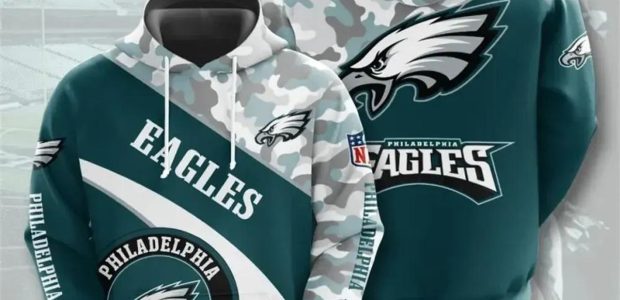

Licensed sports merch is beige by committee; Phillygoat is what happens when three Delco brothers design for the actual Philly fan instead — original Eagles, Phillies, Sixers, Flyers and Union-inspired shirts, hoodies and hats that capture the city's humour and attitude, backed by 4.8 stars across 7,000+ reviews and 100,000+ orders.
The formula is cultural specificity: designs commemorating the Philly Special, Saquon's reverse hurdle, and the in-jokes only the 215 fully decodes — made-on-demand locally, covered by the Inquirer and Philly Mag, with 5% of baseball sales funding the Darren Daulton Foundation's brain-cancer research. Independent fan gear with receipts, essentially.
Our verdict: Phillygoat is the standard for city-fan apparel done independently — original designs licensed merch cannot legally be this funny about, quality the review wall vouches for, and hometown operations worth the boutique price. Score: 8.6 / 10.
→ Shop Phillygoat — see today’s best offer
What makes Phillygoat different
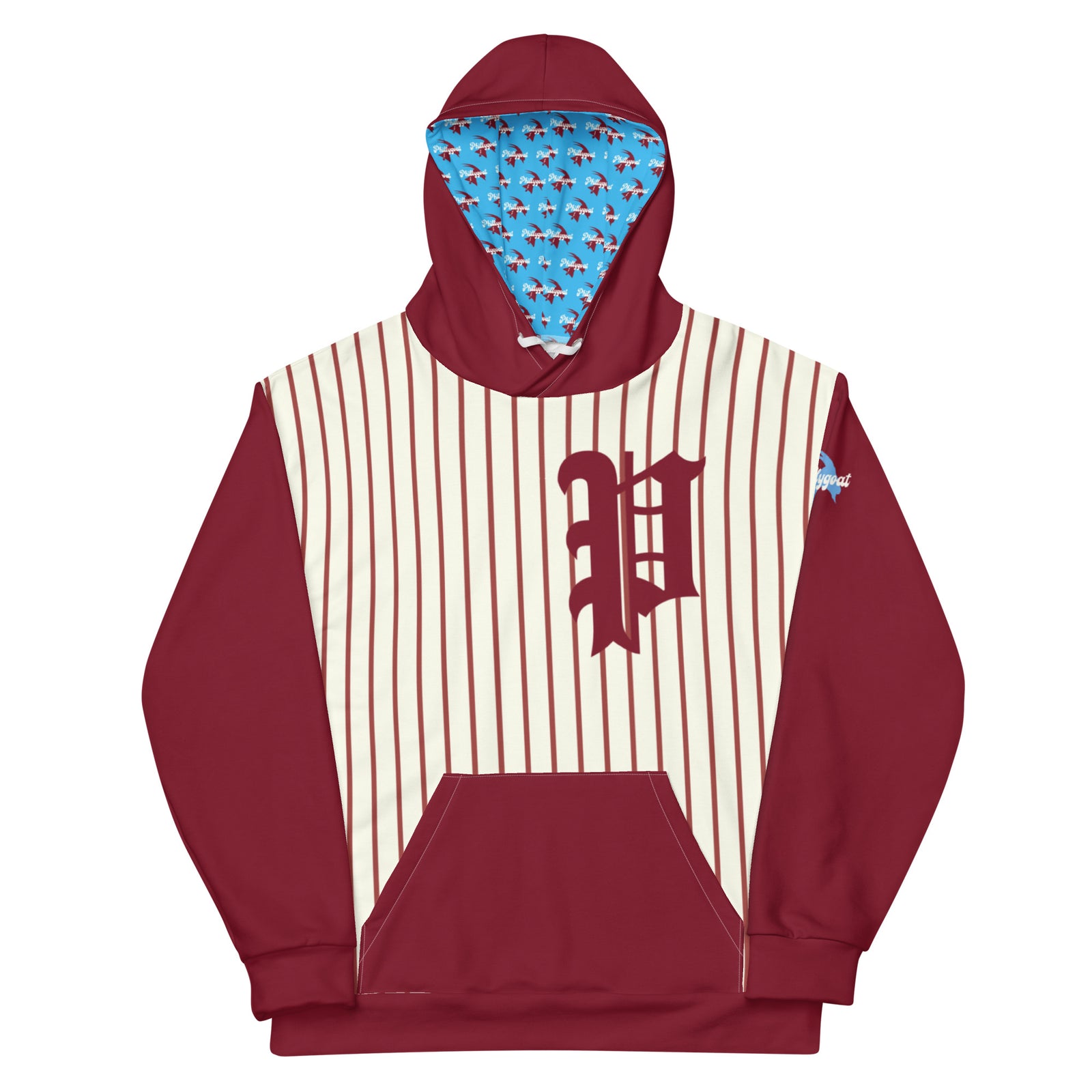
Originality with a zip code: every design is in-house, referencing the moments and moods fandom actually lives — not logo-slaps but cultural commentary wearable at the Linc. The made-on-demand model keeps the catalogue fast (a playoff moment becomes a shirt in days) and inventory honest. Media validation (Inquirer, Fox29, The Fanatic) and the charity layer complete the independent-brand credibility stack.
The catalogue
Football (Go Birds) leads: Eagles-inspired tees, hoodies and hats spanning glory moments and gallows humour. Phillies baseball runs equal depth with the Daulton Foundation dividend attached. Sixers, Flyers, Union fill the calendar. Formats: tees, heavyweight hoodies, snapbacks and beanies, plus shoe-and-accessory drops.
Price & value
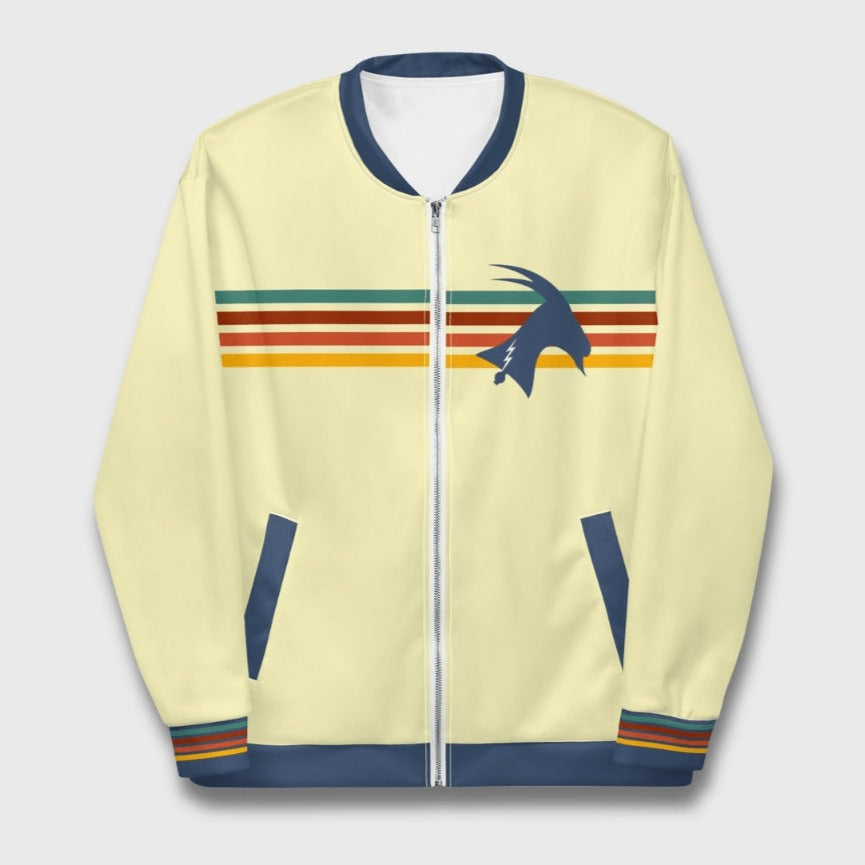
Boutique-tee pricing above mall licensed merch — funding original design, local production and the on-demand model. Per-wear economics favour the pieces that become identity uniforms (and Philly fandom breeds those); the review wall's repeat-buyer language suggests the math lands.
| Line | Register |
|---|---|
| Eagles gear | The flagship emotion |
| Phillies gear | Summer + charity dividend |
| Hoodies/hats | Season-round uniform |
→ Get the latest Phillygoat deal
How to shop it
Size by the per-item chart (on-demand printing spans blank brands); buy moment-shirts when the moment drops (commemoratives cycle); and bundle drops for shipping sanity. Gift-buyers: the humour register is the present — pick the joke your Philly person actually makes.
Common mistakes
Waiting on a viral design (drops sell through and moments pass); mall-merch size assumptions; and — the outsider error — gifting rival-city irony to a Philly fan, which this catalogue makes impossible by construction.
Watch: Phillygoat in action
Vs alternatives
Against licensed Fanatics-tier: legal logos versus cultural fluency — different products for different itches. Against Etsy fan-shops: comparable independence; Phillygoat's edge is design consistency, review volume and media-verified operations. The lane: the city's inside voice, printed.
Quality, shipping & support
Print and blank quality review strongly across 7,000+ ratings; made-on-demand adds production days honest listings disclose; support carries the small-team responsiveness the review wall credits. The 100,000-order history is the operational receipt.
Who should buy — and who should not
Buy Phillygoat if you or your giftee bleeds green (or red, orange, blue) and wants gear that speaks native — the fan-identity uniform licensed racks cannot print.
Skip if official-logo authenticity is the requirement — that is Fanatics' aisle by law.
Honest limits
On-demand means patience over Prime; boutique pricing over mall; and the humour's specificity is the product — outsiders buying blind should confirm the reference lands.
The independent fan-merch economy: why unlicensed beats licensed at its own game
Licensed sports apparel operates under design committees, league style guides and legal review — the machinery that produces competent, safe, identical gear across thirty markets. Independent shops like Phillygoat operate under none of it, which is precisely the product: designs can reference the moment (the Philly Special's geometry, the Saquon hurdle's silhouette), the mood (Philly's particular blend of devotion and menace) and the vocabulary (jawn-grade local idiom) that licensing lawyers would never clear. The legal line — inspired-by rather than logo-using — is the creative unlock, and the 7,000-review wall suggests the fanbase grades the trade correctly: official logos live at Fanatics; the city's actual voice lives here.
The made-on-demand model completes the independence: no inventory bets means design velocity (playoff moments become shirts inside the news cycle), catalogue breadth without warehouse graveyards, and the local-production story the media coverage keeps featuring. The costs are honest — production days before shipping, boutique pricing over mall racks — and the review base's repeat-buyer language says the fanbase prices them willingly.
Philly fandom as identity economy
Philadelphia sports culture is a covenant wearing team colours: the boo-and-adore duality, the underdog theology the 2018 run canonised, the generational season-ticket inheritance. Merch in this economy functions as membership signalling — the right reference at the right register tells the Linc parking lot exactly who you are. Phillygoat's design language is fluent in that signalling: gallows humour for the collapse years, triumphalism for the parades, the deep-cut references (Delco idiom, regional food iconography) that mall merchandise cannot even perceive. The gear works because the brothers are the customer — the authenticity loop independent shops run and conglomerates simulate.
The gift dimension inherits the logic: buying Phillygoat for a Philly person is fluency demonstrated — the joke landing proves you know them, the reference landing proves you know the city. The catalogue's register-range (family-safe through bar-appropriate) maps the gifting audiences, and the charity layer (the Daulton Foundation dividend) adds the local-cause resonance national brands rent but cannot own.
More questions fan-gear buyers ask
How does made-on-demand affect quality?
Modern DTG and print methods on quality blanks produce durable results — the 4.8 wall's wash-test testimony. Care rules (cold, inside-out, no high heat) do the preserving, as with all printed apparel.
Playoff-moment shirts — how fast do they drop?
Days from moment to catalogue is the model's signature — and the commemoratives cycle out, which is why the buy-when-it-drops rule governs.
Do designs ever restock?
Evergreen identity pieces persist; moment-commemoratives are editioned by nature. The heirloom logic favours buying the moment while it lives.
Sizing across garment types?
Per-item charts rule the on-demand world — blanks vary by product line, and the chart-check habit prevents the only common complaint genre.
Is the charity contribution verified?
The 5%-of-baseball-sales commitment to the Darren Daulton Foundation is the brand's standing public pledge, media-covered alongside its operations.
Building the fan wardrobe as archive
The season-in-four-orders framework this review closed with scales into something better: the wardrobe as personal sports archive. The moment-shirts accumulate into a wearable timeline — the year of the Special, the hurdle season, the parade run — each drop a dated artifact the licensed aisle's evergreen logos cannot replicate. Families inherit these: the worn-soft championship tee becomes the kid's sleep shirt becomes the story about where you watched it. Independent merch's deepest product was never the cotton; it is the archive function — culture, dated and wearable, five percent of summer's entries funding Dutch's fight as they go. That is what boutique pricing actually buys, and why the review wall reads like a family album with tracking numbers. Score: 8.6 / 10.
Print methods decoded: what made-on-demand actually prints
The on-demand economy runs on two technologies worth knowing as a buyer. Direct-to-garment (DTG) inkjets water-based inks into the fabric itself — soft hand-feel, photographic detail capability, the method behind most single-run designs; its care covenant is the cold-wash-inside-out rule that keeps edges crisp through years. Screen-print-transfer hybrids and DTF (direct-to-film) carry bolder colour density onto blends and dark garments — slightly more surface feel, more colour punch. Blank quality decides the rest: ring-spun cotton weights, side-seamed cuts and preshrunk treatments separate the boutique tier from the promo-tee tier, and the review wall's wash-test testimonials are effectively a blanks audit passed.
The buyer's print literacy: expect DTG's matte softness rather than plastisol's plastic sheen, judge colour saturation from customer photos over studio renders, and run the care rules religiously for the archive pieces — the championship tee that gets hot-dried annually ages a decade per cycle. On-demand's genuine advantage is design freshness; its genuine dependency is your laundry discipline, and the heirloom outcomes this review's archive framing promised are co-produced in your washing machine.
Drop culture mechanics: timing the fan-merch market
Independent fan shops run a rhythm worth learning. Moment-drops follow the sports calendar's emotional spikes — the playoff clincher, the rivalry humiliation, the trade-deadline heist — and their windows are genuinely short: the reference's half-life is the edition's. Evergreen drops (identity designs, city iconography) restock on demand-model logic and tolerate patience. Seasonal cycles (football fall, baseball summer) rotate the catalogue's emphasis, and the promo calendar — launch discounts, holiday codes, clearance between seasons — maps onto it predictably. The optimal buyer behaviour: strike moment-drops immediately (the regret genre is entirely missed-window), patience-shop evergreens through promo cycles, and calendar the gift purchases against production-plus-shipping reality.
The community layer feeds the timing: following the shop's socials converts you from catalogue-browser to drop-insider — the model's entire marketing stack is the feed, and the feed is where the 48-hour windows announce themselves. Independent merch rewards exactly this engagement loop; the conglomerate racks never needed to know you.
City-brand economics: what 5% to Daulton actually builds
The charity mechanics deserve their specifics: the Darren Daulton Foundation funds brain-cancer research and patient support in the name of the Phillies' 1993 catcher-heart, and a standing 5% of all baseball-line sales routes there automatically — not campaign-windowed, not cap-limited, structural. For the buyer, the math is friction-free philanthropy: the summer wardrobe refresh carries its dividend without a decision. For the brand, it is the local-covenant signature that separates city shops from city-themed conglomerate SKUs — the receipts of belonging that media coverage keeps citing and national competitors cannot counterfeit.
The pattern generalises across the independent tier: local shops embed local causes as identity infrastructure, and fan wallets increasingly audit for it. Merch spending as civic routing — small, structural, compounding — is the quiet upgrade the independent economy offers over the mall, and Phillygoat's implementation is the category's clean example.
The gift matrix: buying Philly for every Philly person
The catalogue maps to giftees with unusual precision. The die-hard uncle: moment-commemoratives from his era's pantheon — the reference is the present. The transplant cousin: city-iconography evergreens that carry home without team-calendar dependence. The new-baby household: the infant-sizes of identity designs (the photographic dividend is the gift). The office Secret Santa: the humour tier's family-safe register. The graduate leaving town: the wearable homesickness kit. Sizing risk mitigates through the hoodie-and-hat lane where fit forgives, and the production-timeline rule (order by the calendar, not the occasion morning) governs all of it.
The wrapped result outperforms its price class because fluency is the actual gift — the design proving you know both the person and the place. That double-recognition is what licensed logos structurally cannot deliver, and what the review wall's gift-story genre keeps documenting. Score: 8.6 / 10.
Game-day logistics: wearing the brand where it lives
The gear's natural habitat imposes practical specs the catalogue quietly serves. Tailgate layering: the tee-hoodie-beanie stack that survives a November Linc parking lot from ten a.m. onward, with the heavyweight hoodie tier earning its price in wind resistance alone. Stadium-bag policies: the hat-and-tee lane travels friction-free where bags queue. The sports-bar circuit: the humour tier's conversation-starter function is measurable — the right reference shirt is social infrastructure in a Philly room. Wash-cycle reality for the season: game-day-plus-laundry cadence argues for the two-of-your-identity-piece redundancy the drop culture conveniently enables.
The away-game dimension completes it: wearing Delco-designed gear in enemy stadiums is the diaspora's flag-planting ritual, and the brand's original-design status means the reference lands with fellow travellers while flying under rival taunting's standard radar. Merch as away-game armour — the use case licensed logos serve louder and independents serve smarter. Score: 8.6 / 10.
Collabs and limited runs: the drop calendar's deep end
The independent tier's collaboration culture — local artists, charity editions, cross-brand moments — produces the catalogue's collector layer: numbered runs and dated editions whose resale curves reward the drop-day discipline this review taught. The Daulton-adjacent charity editions carry double weight (cause plus scarcity), and the archive-wardrobe framing gains its rarest entries exactly here. Following the feed is the collector's entire toolkit; the drops do the rest. Score: 8.6 / 10.
Phillygoat discount codes & deals
Drop promotions and seasonal sales cycle with the sports calendar — check the current PrimeVouch listing for active codes; playoff-run timing plus code is peak value.
FAQ
Is Phillygoat officially licensed?
No — deliberately. Original inspired designs are the entire point, and the legal distinction is why the humour can exist.
Where is it made?
Designed in Philly by the Delco founders, produced on-demand locally — the independence the media coverage celebrates.
How does sizing run?
Per-item charts rule; blanks vary by garment. Chart-check beats habit.
What is the charity connection?
5% of all baseball sales fund the Darren Daulton Foundation for brain-cancer research — the standing dividend.
How fast is shipping?
On-demand production plus transit — order ahead of the tailgate, not the morning of.
Building the fan uniform: a season in four orders
Preseason: the identity tee and the hat. October: the moment-shirt the season just wrote. December: the heavyweight hoodie for the Linc's wind. Playoffs, God willing: the commemorative that becomes the heirloom. Four drops, one wardrobe, a city's entire emotional register printed local — with 5% of the summer orders quietly funding the fight Dutch would have backed. That is fan merch with a soul, which is exactly the review wall's recurring phrase. Score: 8.6 / 10.