
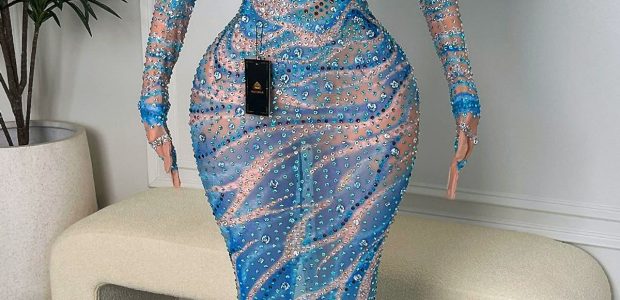

AMEKANA is the boutique behind the dresses flooding your feed — high-glam occasionwear, bodycon silhouettes and event pieces that photograph like money. Its own product-review platform glows at 4.9 stars across 1,120+ reviews; external platforms tell a spikier story, with Trustpilot mixed and one aggregator as low as 2.1. That split is not a contradiction — it is the brand's entire operating reality, and understanding it is the whole buying guide.
The pattern in the data: ready-to-ship inventory delights — quality praised, fits flattering, deliveries landing in days — while made-to-order pieces generate the horror stories: long production waits, sizing roulette, replacement sagas. Shop the brand on its strong side and reviewers rave; shop its weak side blind and you join the 2.1 column.
Our verdict: AMEKANA delivers genuinely impressive occasionwear when you buy ready-to-ship and size by the charts — with made-to-order patience and return friction as the real costs of the glam. Score: 7.4 / 10.
→ Shop AMEKANA — see today’s best offer
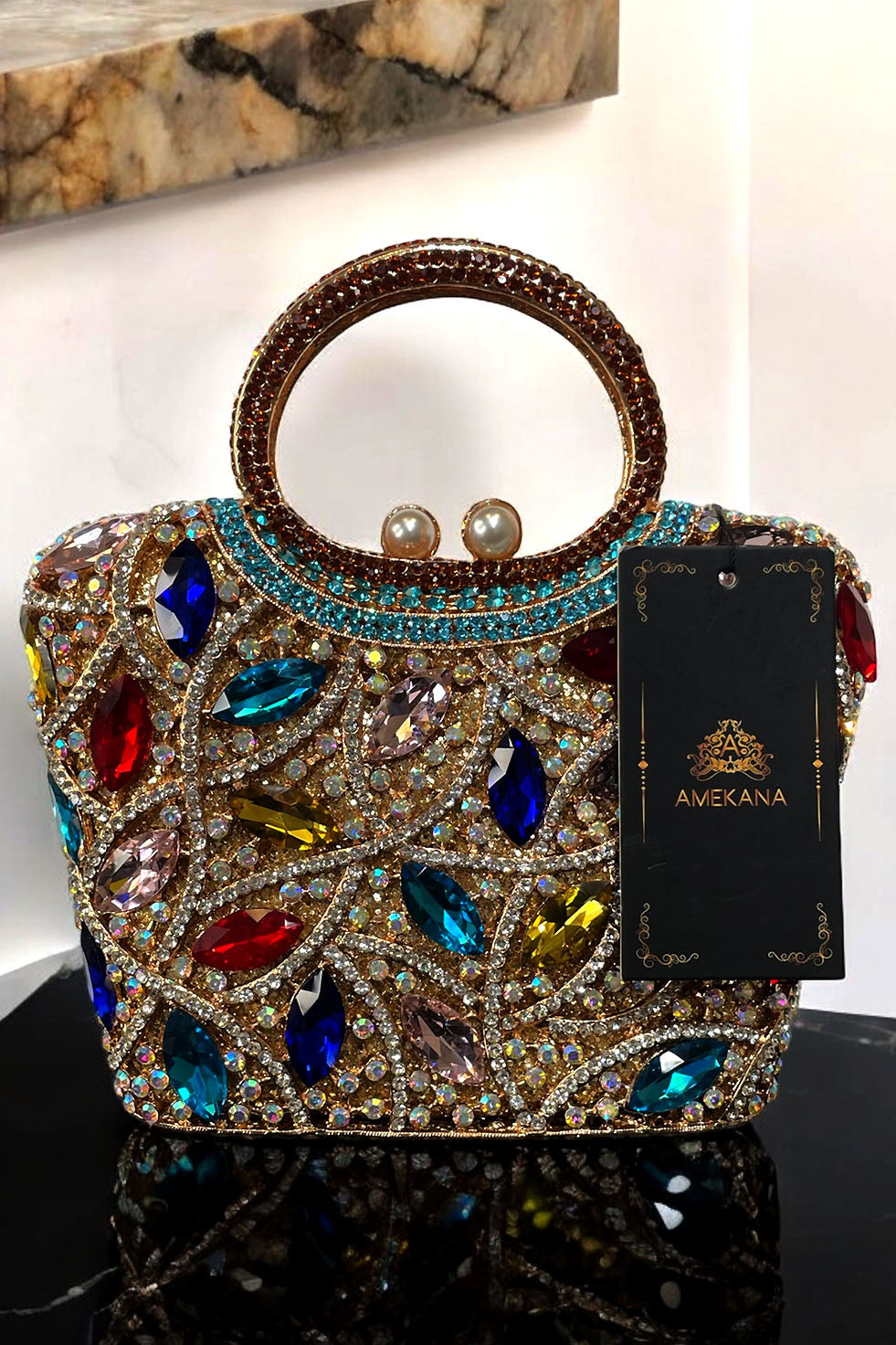
What makes AMEKANA different
The design language is the draw: unapologetic glamour — structured bodycon, statement fabrics, event-ready drama — at boutique prices rather than designer ones. The material quality surprises first-time buyers repeatedly in reviews (“felt really nice quality”, “exceeded expectations”), and the fit engineering on the ready-to-ship core flatters across the size range in a way fast-fashion glam rarely manages.
The operating model is the caveat: part inventory boutique, part made-to-order atelier. The first behaves like modern e-commerce; the second behaves like commissioning a garment — because it is one. The brand's reputation split maps exactly onto which side of the house each customer met.
The star products: event dresses
Birthday dresses, wedding-guest looks, gala bodycon — the occasion catalogue is the brand's heart, and the review wall's “quality top tier, delivery fast” testimonials cluster here, on in-stock pieces. Fabrics carry weight and structure, zippers and seams draw specific praise, and the photograph-ready factor — the actual purchase driver — delivers per the birthday-vlog genre of customer content.
Price & value
Positioning is mid-boutique: above fast fashion, far below designer occasionwear. For structured event pieces the per-wear math works when the fit lands — one AMEKANA dress at multiple events beats a designer rental's single night. Made-to-order carries the same tickets with the added invisible cost: time, and the risk premium of no-easy-return commissioning.
| Lane | Experience |
|---|---|
| Ready-to-ship | Fast (3-day reports), quality-praised |
| Made-to-order | Long waits, higher variance |
| Returns | Friction reported — read policy first |
How to buy AMEKANA safely
The playbook the review data writes: filter ready-to-ship first and shop there for events with dates. Measure and match the chart per garment — boutique cuts vary, and the sizing-inconsistency complaints trace to assumption-ordering. Read the item's own reviews for run-small/run-large intel — with 1,100+ on the wall, your dress has testimony. Order lead time honest: made-to-order means weeks-plus, and an event fortnight out is a ready-to-ship-only mission. Screenshot the policy at purchase — return terms are the friction zone, and documentation is leverage.
Common buying mistakes to avoid
Ordering made-to-order for a dated event (the cardinal sin behind most one-star sagas); vibes-based sizing on structured bodycon (the chart is law); assuming department-store returns culture (boutique terms differ, and replacements move slowly per complaints); judging the brand by the wrong lane's reviews in either direction; and skipping the item-review scroll that would have flagged the exact fit quirk in advance.
AMEKANA vs alternatives
Against Fashion Nova and the fast-glam giants: AMEKANA wins fabric weight and construction, loses on returns infrastructure and shipping certainty. Against true occasion designers: a fraction of the price for photographs most rooms cannot distinguish. Against rental services: ownership economics for repeat-event wearers versus zero-risk single nights. The lane: buy-to-keep glam for planners, not procrastinators.
| Option | Why choose |
|---|---|
| AMEKANA (ready-to-ship) | Quality glam, fair price |
| Fast-fashion glam | Cheaper, easier returns |
| Designer / rental | Certainty at multiples |
Quality, shipping & support
The honest split, once more with feeling: in-stock orders report 3-day deliveries and packaging care; made-to-order reports production queues and patchy update cadence. Support resolves the routine well per the 4.9 wall and struggles on the exception cases per Trustpilot — replacement orders and refund timelines being the recurring pain. The brand's Instagram-era responsiveness favours public threads; email patience serves the rest.
What real customers say
The rave column: “material felt really nice quality”, “fit was flattering”, “delivery time fast, quality top tier”, compliments harvested per dollar at rates that keep the repeat-buyer base loyal. The grievance column: damaged-item replacement sagas, made-to-order waits stretching past events, sizing surprises on assumption orders, and refund friction. Both columns are true; the lane you shop determines which one you write.
Who should buy — and who should not
Buy AMEKANA if you plan ahead, measure honestly, shop the ready-to-ship rail, and want event glam with real construction at boutique prices — the satisfied majority's exact profile.
Skip it if your event is days away, you need bulletproof returns as a sizing strategy, or commissioning-culture patience is not in your wardrobe.
Honest limits
The two-lane reality is structural, not scandal — made-to-order fashion carries variance everywhere it exists. Returns friction is the price of boutique margins. And glam photography sells idealised drape; your mirror votes independently, which the size chart exists to arbitrate. AMEKANA at its best is genuinely impressive; reaching its best is a buyer skill this review just taught.
Fabric and construction: reading glam quality before it ships
Occasionwear quality lives in three inspectable places, and AMEKANA's product photography plus review photos let you audit all three remotely. Fabric weight first: structured bodycon depends on substantial knits and bonded fabrics that hold silhouette — the “felt like quality” review chorus signals the brand generally delivers here, but zoom the customer photos for drape truth over studio styling. Seam architecture second: princess seams and panel construction (visible in listings) are what sculpt; single-seam stretch tubes merely cling — AMEKANA's hero pieces run panelled, which is the price gap's justification. Hardware third: exposed zippers, boning channels and lining mentions in reviews separate the event-grade from the Instagram-only.
The care-label afterlife determines per-wear economics: structured pieces want cold hand-wash or dry-clean discipline, padded-hanger storage, and steam-not-iron finishing. Reviewers whose dresses survived multiple seasons all describe the same regimen; the ones complaining of one-wear degradation almost never do. Glam construction is real but not indestructible — it rewards the owner who treats a $100 dress like the $400 look it photographs as.
Instagram fashion literacy: separating feed from closet
Boutiques of this genre live and die by feed aesthetics, and buyer literacy means decoding the gap. Studio shots run clipped, pinned and lit — the customer-photo wall is the honest catalogue, and AMEKANA's decision to platform 1,100+ of them is quiet confidence worth crediting. Influencer tags skew tall and styled; the review filters (when browsing by height and size mentions) localise the truth to your body. And the drop-scarcity urgency that powers the genre deserves adult scepticism: the dress restocks or its cousin does, and no event was ever saved by panic-ordering made-to-order.
The genre's best practice transfers brand-agnostically: screenshot the listing at purchase (fabric claims, size chart, policy), pay by card with dispute rails, and photograph unboxing for condition documentation. None of this is AMEKANA-specific distrust — it is boutique-era hygiene that turns the occasional exception case from saga into ticket. The satisfied majority never needs the paper trail; the prepared minority resolves in days what the unprepared litigate in comment sections.
Do they restock sold-out dresses?
Popular silhouettes cycle back in waves and new colourways; the notify-me flow is the reliable channel. Event-dated buyers should shop what exists, not what might return.
Is made-to-order ever worth it?
For unusual sizing or a specific vision with a flexible calendar — yes, that is its entire honest use case. The lane fails daters, not planners.
The occasionwear wardrobe strategy: buying for a year of events
Event dressing rewards portfolio thinking over panic purchasing, and boutique pricing makes the portfolio possible. The core architecture: one black structured bodycon (the universal donor — weddings, birthdays, dinners), one statement-colour silhouette for the photographs that matter, one convertible midi that dresses up or down with accessories. Three AMEKANA-tier pieces, bought ready-to-ship across a season's sales, typically total less than a single designer purchase — and cover a calendar year of invitations with rotation room.
The acquisition rhythm follows the promo cycle: sale sections after each drop wave, holiday events (the deep-cut windows), and the code-stacking this listing exists to serve. Fit knowledge compounds too — after the first chart-matched success, your AMEKANA size is data, and reorders lose their variance. The reviewers with five-dress walls all describe this arc: one careful first purchase, then confident accumulation at sale prices, then the wardrobe that makes every RSVP a styling question instead of a shopping emergency.
Resale rounds the economics: structured occasionwear in maintained condition moves briskly on the secondary apps, returning a meaningful fraction of boutique prices and funding the next silhouette. Glam, treated as an asset class with care labels, cycles rather than sunk-costs — the per-wear math that makes the whole genre rational for anyone whose calendar actually fills.
Occasionwear sustainability: the rewear revolution
The event-dress economy's honest critique — single-wear culture — has boutique-tier answers the fast-glam tier cannot offer. Construction quality enables the rewear arc: the structured AMEKANA piece restyles across occasions (jacket layers, accessory rotations, hem alterations) where the disposable tier photographs once and pills. The care-and-storage discipline this review prescribed extends garment lifespans into multi-year service, and the resale liquidity of maintained occasionwear returns real fractions of purchase price — the circular economics that turn the wardrobe into rotating stock rather than accumulating landfill. The per-wear arithmetic, run honestly across that arc, is where boutique pricing beats both the rental treadmill and the disposable churn.
The buyer behaviour that activates it: purchasing silhouettes over trends (the bodycon classic outlives the novelty cut), neutral-plus-statement portfolio balance, and the alteration relationship that keeps fit current as bodies change. Glam consumed as a durable good is the category's mature form — and the review wall's repeat customers, restyling last year's pieces in this year's photos, are its documentation. Score: 7.4 / 10.
The fit-insurance toolkit: alterations as strategy
The boutique-glam buyer's secret weapon is the alterations relationship. The $15–30 tailor visit converts near-fits into perfect ones — hem drops for heel heights, strap adjustments, the waist nip that structured bodycon rewards — at a fraction of the return-shipping-and-restock friction the category's policies impose. The strategic implication for AMEKANA orders: buy the size the chart's larger measurement indicates and tailor down, never squeeze into chart-smaller — fabric exists to remove, not to invent. The alterations-ready checklist at purchase: seam allowances visible in construction shots, lined pieces (easier professional work), and the two-week event buffer that makes the tailor timeline comfortable.
The wardrobe-longevity dividend doubles it: the same relationship keeps last season's pieces current as bodies and trends drift — the rewear economics this review's sustainability section priced. Boutique glam plus local tailoring is the complete system; either alone is half a wardrobe. Score: 7.4 / 10.
The final word: glam literacy as the purchase
The AMEKANA file closes on the theme this review series kept finding: the boutique tiers reward informed buyers and tax impulsive ones, and the information was never secret — charts, reviews, lanes and policies, read before checkout. The wardrobe that results from literate buying photographs identically to luck's best outcomes and costs a fraction of its failures. Glam is a system; this review handed over the manual; the mirror settles the rest. Score: 7.4 / 10.
AMEKANA discount codes & deals
The boutique runs drop promotions, seasonal sales and first-order incentives regularly. Check the current PrimeVouch listing for active codes — ready-to-ship plus code is the optimal entry, and sale-section structured pieces are the quiet steals.
Frequently asked questions
Is AMEKANA legit?
Yes — a real boutique with 1,100+ verified product reviews and a large delivered-order base. The mixed external ratings reflect the made-to-order lane's variance, not fraud.
How does sizing run?
By garment — hence the chart-per-item rule. Structured bodycon runs true-to-chart; assumption orders drive the inconsistency complaints.
How fast is shipping really?
Ready-to-ship reports as fast as 3 days domestic. Made-to-order is production-dependent — weeks, honestly.
What if my dress arrives damaged?
Document immediately, contact support with photos, and persist — replacements happen but move slower than the purchase did, per the review record.
Can I return for fit?
Terms are stricter than department-store habits — read the current policy before ordering, and treat the size chart as your primary return-prevention tool.
What undergarments do structured dresses need?
Seamless shapewear and adhesive solutions are the genre's infrastructure — order them with the dress, not after the try-on, and run the full-kit fitting the week the parcel lands. Half the “fit disappointment” genre is underwear mismatch wearing a dress costume.
Can tall or petite buyers make the cuts work?
Length notes live in the item reviews — the customer-photo wall's height mentions are the honest chart. Petite buyers befriend tailors for hem economics; tall buyers filter for the maxi and midi cuts whose proportions survive the stretch.
The event-dress playbook: four weeks out to照片 night
Four weeks out: browse ready-to-ship only, shortlist three, read every item review for fit intel. Three weeks: measure, chart-match, order the winner plus the backup silhouette if the event is unmissable. Two weeks: arrival try-on with the exact undergarments and heels, alterations tailor on standby (boutique glam plus $20 of tailoring beats designer pricing at its own game). Event week: steam, photograph the fit test, done — while the made-to-order procrastinators refresh tracking pages. The brand rewards exactly this discipline, and the 4.9-star wall is populated entirely by people who ran it. Their compliments-per-dollar arithmetic is available to anyone who copies the calendar.