
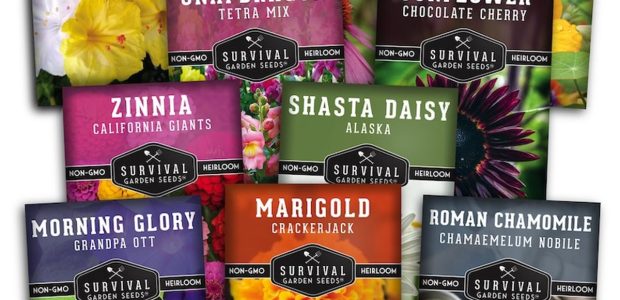

If you have ever ripped open a seed packet from a big-box store and watched precisely nothing come up, you understand why gardeners get evangelical about good seed companies. Seed Therapy — the brand long known as Southern Seeds — has quietly become one of America’s favourite heirloom seed suppliers, with more than 2 million packets sold and over 75,000 five-star reviews that once ranked it among the top 20 Etsy shops in the United States.
The 2025 rebrand from Southern Seeds to Seed Therapy was more than a new label: it reflects how their customers actually talk about gardening — as something grounding, meaningful and genuinely therapeutic. But behind the feel-good name is a serious catalogue: 700+ heirloom, non-GMO varieties, American-grown, veteran-owned, with a satisfaction guarantee.
Our verdict: Seed Therapy is one of the best value heirloom seed sources in the US — huge variety, strong germination, beautiful packaging and honest pricing — with occasional shipping-speed wobbles being the main thing to watch. Score: 8.6 / 10.
→ Shop Seed Therapy — see today’s best offer
What makes Seed Therapy different
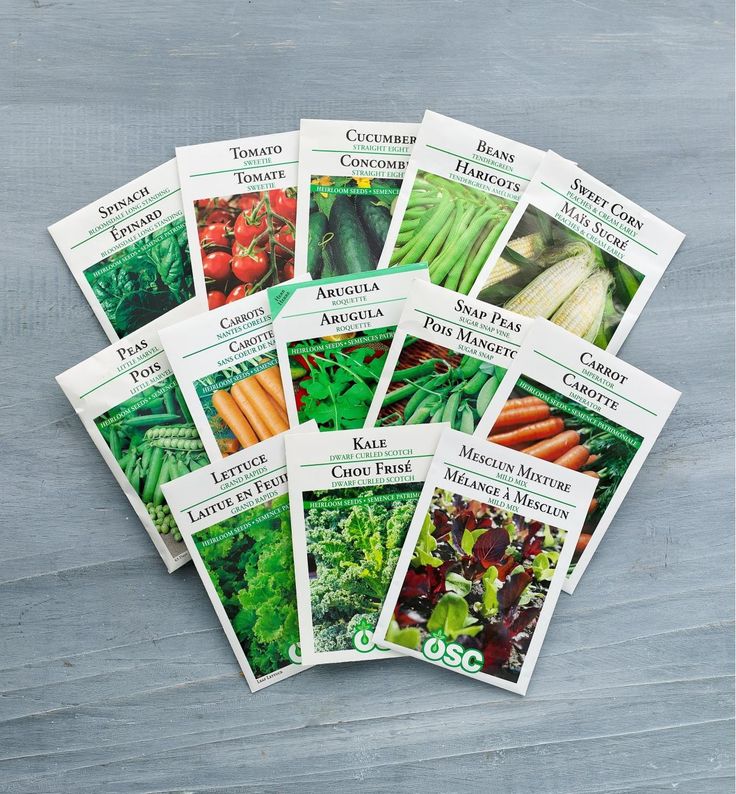
Three things separate Seed Therapy from the rack at your hardware store. First, everything is heirloom and non-GMO — open-pollinated varieties whose seeds you can save and replant year after year, unlike hybrids that revert unpredictably. Second, the seeds are American grown, which matters for regional adaptation and for gardeners who care where their food chain starts. Third, it is a veteran-owned small business with the kind of customer care ratings big brands rarely sustain.
The proof is the review history: 75,000+ five-star ratings and 2 million packets shipped is not luck. Gardeners consistently report strong germination rates, fast turnaround and packaging attractive enough to gift. In a category full of resellers flipping cheap imported seed, that track record is the product.
The range: 700+ varieties
The catalogue covers everything a kitchen garden needs: heirloom tomatoes in every colour and size, peppers mild to nuclear, beans, squash, brassicas like the popular Southern Giant mustard, lettuces, herbs from basil to lemon balm, and flower mixes for pollinators. Because everything is open-pollinated, one packet can become a permanent line in your garden if you save seed properly.
Collections make starting easy — best-seller bundles, themed variety packs and survival-garden assortments give beginners a curated path instead of a 700-item scroll. Packets typically run cheap enough to experiment freely, which is exactly how new gardeners should buy.
Price & value
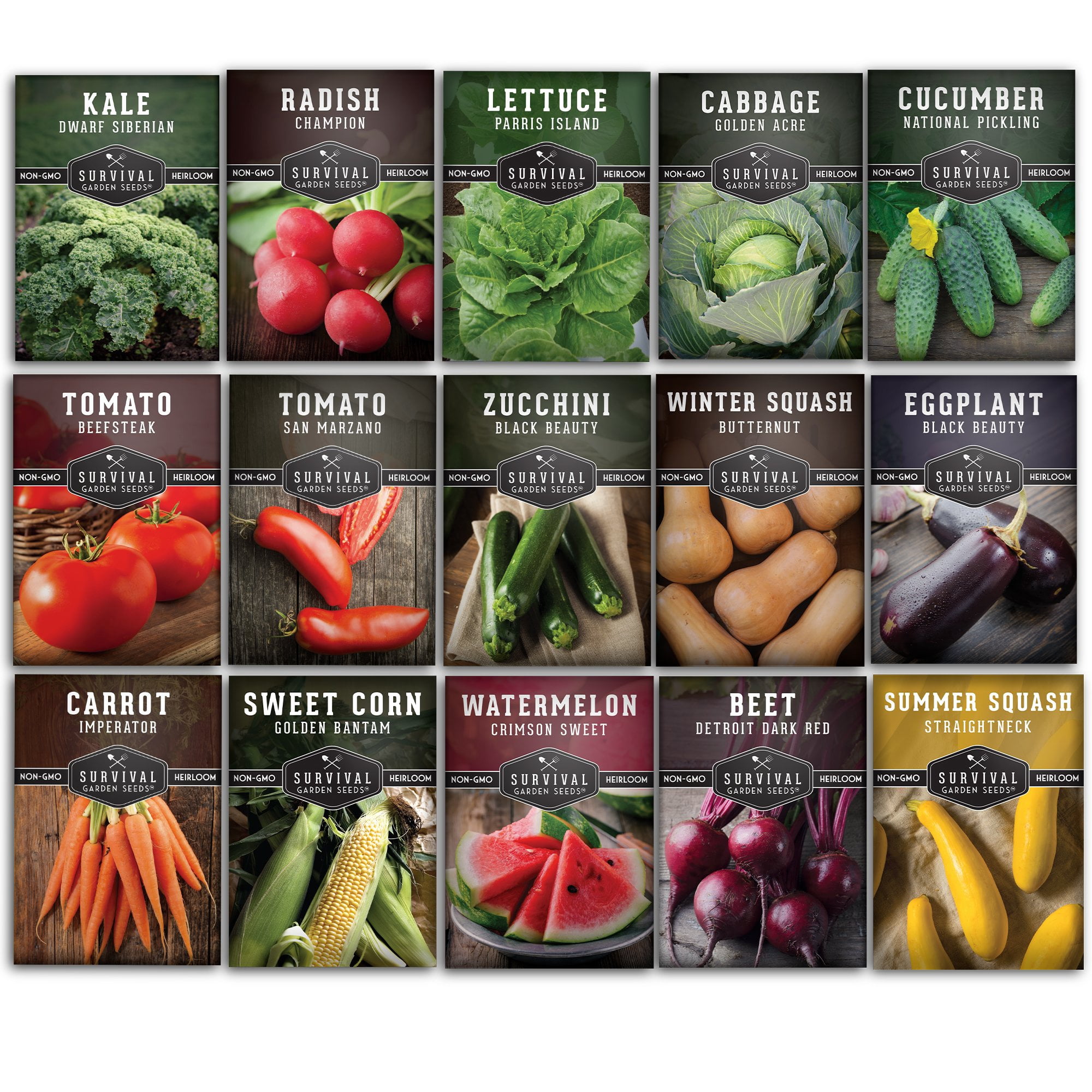
Seed pricing is one of Seed Therapy’s quiet strengths: most packets sit in the low single dollars, with generous seed counts (many packets carry 100–250 seeds where competitors offer 25–50). For the price of two grocery-store tomatoes you can trial a variety all season — and if it thrives, save its seed forever. That maths is why heirloom gardening spreads.
| What you get | Typical range |
|---|---|
| Standard vegetable/herb packet | $2–4 |
| Seed count per packet | often 100–250 |
| Variety bundles | $10–30 |
| Guarantee | Satisfaction guaranteed |
→ Get the latest Seed Therapy deal
How to choose the right seeds
Start from your plate, not the catalogue. List what your household actually eats, then pick varieties bred for your growing zone and season length. Check days-to-maturity against your frost dates — a 90-day tomato planted late is a promise the weather may not keep. Buy one experiment per season — a striped tomato, a purple bean — because the weird heirlooms are half the joy. And always buy a season ahead for staples; seeds store beautifully in cool, dry conditions.
Common buying mistakes to avoid
The classic errors: buying more varieties than you have space to grow (packet greed is real); ignoring your USDA zone and planting Deep-South okra in a short northern summer; starting long-season crops from direct sowing instead of transplants; and storing leftover seed in a humid shed where viability dies by June. None of these are the seed company’s fault — and all of them are avoidable with five minutes of planning.
Seed Therapy vs alternatives
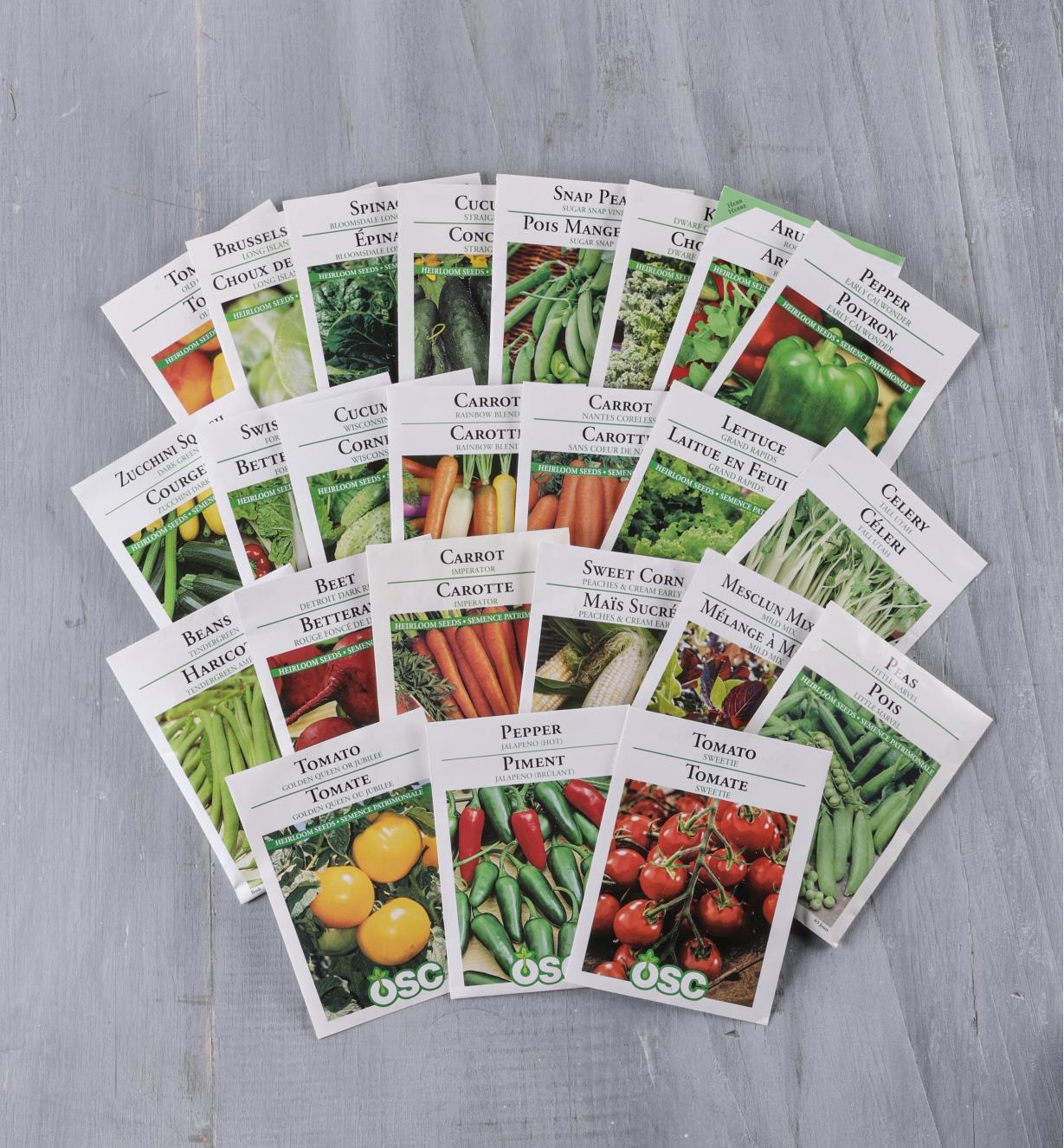
Against Baker Creek (the heirloom giant), Seed Therapy competes on price and packet counts while Baker Creek wins on catalogue exotica. Against Burpee, Seed Therapy is purely heirloom/non-GMO where Burpee mixes hybrids. Against marketplace randoms, there is no contest — provenance and germination reliability are exactly what you are paying those extra cents for.
| Supplier | Strength | Consider if |
|---|---|---|
| Seed Therapy | Value + variety + service | You want dependable heirlooms cheap |
| Baker Creek | Rare varieties | You collect exotica |
| Burpee | Hybrid vigour | You want specific hybrids |
Quality, shipping & support
Germination reports are strongly positive — “everything came up” is the recurring theme across tens of thousands of reviews, helped by fresh stock and honest packing dates. Shipping is the one area with mixed notes: most orders move in 24–48 hours as promised, but during peak spring rush some customers have reported waits stretching toward ten days. If you are sowing on a schedule, order a couple of weeks ahead of your start date.
Support is small-business personal, with the occasional busy-season lag; the satisfaction guarantee backs replacements when a packet underperforms.
What real customers say
The pattern across 75,000+ reviews: fast shipping, beautiful packaging, germination that outperforms expectations, and prices that let people over-buy happily. The critical minority cites slow peak-season dispatch and, rarely, a packet that failed to sprout — with mixed experiences on follow-up. No seed company escapes biology entirely; the ratio here is what impresses.
Who should buy — and who should not
Buy from Seed Therapy if you want a broad, affordable heirloom catalogue from a US grower with a real track record — beginner bundles and generous packet counts make it ideal for first gardens and homesteads alike.
Look elsewhere if you specifically want hybrid varieties for maximum uniformity, or you need guaranteed 48-hour dispatch in peak April — plan ahead or split orders instead.
Honest limits
Seed Therapy is a seed supplier, not a nursery: no live plants, no zone-specific hand-holding beyond the packet, and their fulfilment scales like the small business it is. Germination is excellent but never universal — that is horticulture, not marketing. And heirlooms trade some disease-resistance uniformity for flavour and seed-saving freedom; know which trade you are making.
Germination science: why heirloom seed quality matters more
Germination rate is the metric that separates real seed houses from packet resellers, and it is worth understanding what actually drives it. Seed viability depends on harvest maturity, drying technique, storage humidity and age — a seed dried too fast cracks internally, one stored humid loses vigour by spring. Companies like Seed Therapy that control their supply chain and rotate stock quickly ship seeds still near their peak germination window, which is why “everything came up” dominates their reviews while bargain-bin packets disappoint. When a packet is stamped with a recent packed-for year, that stamp is doing real work.
Heirlooms add a second dimension: genetic stability. Because these varieties are open-pollinated and have bred true for generations, the plant you grow this year behaves like the one on the packet photo — and like the one your saved seed produces next year. Hybrids cannot promise that; their saved seed segregates unpredictably. For gardeners planning multi-year gardens, that stability is the quiet economic engine: one good purchase becomes a permanent variety in your rotation.
Regional planting: matching varieties to your zone
The single biggest factor in seed success is not the seed — it is the match between variety and climate. Southern gardeners should lean on heat-tolerant classics (Southern Giant mustard earns its name, okra thrives, cowpeas laugh at drought), while northern growers want short-season tomatoes and cold-hardy brassicas that mature inside a 100-day window. Seed Therapy’s catalogue spans both, but the choosing is on you: check days-to-maturity against your first and last frost dates before anything else.
A practical trick: build your order around your three frost anchors. Crops you start indoors six-to-eight weeks pre-frost (tomatoes, peppers), crops you direct-sow at last frost (beans, squash, corn), and crops you sow in late summer for fall (greens, roots, brassicas). One order, sorted into three envelopes by planting window, turns a seed pile into a season plan — and stops the classic error of sowing everything the same weekend.
Seed storage and saving: making one order last years
Stored right, most vegetable seed outlives its packet estimate: tomatoes and beans stay strong four-to-six years, brassicas three-to-five, onions and parsnips barely two. The recipe is cool, dark and dry — a sealed jar with a silica packet in the refrigerator beats any garage shelf. Label with year and variety, and test questionable lots each spring with the paper-towel method: ten seeds, damp towel, plastic bag, warm spot; count sprouts in a week and you know your real rate before committing garden space.
Saving your own is the heirloom endgame. Start easy: beans and peas (self-pollinating, just dry the pods), tomatoes (ferment the gel off, dry on a plate), lettuce (let one bolt). Avoid saving from squash and corn unless you understand isolation distances — they cross enthusiastically. Within two seasons a single Seed Therapy order can seed a personal bank that makes future purchases additions, not replacements — which is precisely the independence heirloom gardening promises.
Beyond vegetables: herbs, flowers and pollinator strategy
The vegetable rows only thrive if pollinators show up, and this is where the flower and herb side of the catalogue earns its place. Interplanting zinnias, cosmos and sunflowers pulls bees deep into the garden; dill, fennel and cilantro left to flower recruit the predatory wasps that quietly control caterpillars; basil flowering beside tomatoes is companion-planting folklore that modern trials keep half-confirming. A ten-dollar flower-seed addition to a vegetable order is not decoration — it is infrastructure.
Herbs also carry the best value-per-packet math in gardening: a single basil packet yields a summer of pesto that would cost fifty dollars in supermarket clamshells, and perennials like oregano and thyme are one-time purchases that outlive the fence. If your order is drifting under a shipping threshold, herbs are the rational filler every time.
More questions gardeners ask
Can I plant heirloom seeds in containers?
Absolutely — choose compact or determinate varieties (patio tomatoes, bush beans, lettuces) and size pots honestly: five gallons minimum for tomatoes, and water discipline matters more than anything.
Are heirlooms harder to grow than hybrids?
Not harder — different. You trade some engineered disease resistance for flavour, seed-saving and variety; good rotation and airflow close most of the gap.
When should I start my first order?
Order in winter, start indoors six-to-eight weeks before your last frost, and you hit spring with transplants instead of regrets. Peak-season ordering is where shipping waits happen.
What is the best beginner vegetable from seed?
Bush beans: direct-sown, fast, forgiving, productive — and their saved seed is the easiest first lesson in the entire heirloom loop.
A year with Seed Therapy: what a full season actually looks like
January: the catalogue scroll, the list-making, the restraint you will not exercise. February: the order arrives fast in the off-season, packets sorted into the three frost envelopes. March: tomato and pepper flats under a cheap grow light, germination hitting the 90s and confidence with it. May: transplants out, beans and squash direct-sown, flower border seeded for the bees. July: the first Southern Giant mustard bolts in the heat exactly as the packet warned, and you learn to succession-sow. September: the fall greens envelope opens while neighbours' gardens wind down. November: seed jars go into the fridge, labelled, and next year's order is already half-written from notes.
That loop — order, grow, save, repeat — is the actual product. The packets are just its delivery mechanism, and at two million packets sold, Seed Therapy has clearly delivered it to a lot of gardens. The 75,000 five-star reviews are not really about seeds; they are about seasons that worked.
Seed Therapy discount codes & deals
Seed Therapy runs seasonal promotions around spring and fall planting windows, bundle pricing on collections, and occasional sitewide codes. The best route is checking the current PrimeVouch listing before checkout — when a working code exists, it is there, and bundles are the reliable everyday saving.
Frequently asked questions
Are Seed Therapy and Southern Seeds the same company?
Yes — Southern Seeds rebranded to Seed Therapy in 2025. Same veteran-owned business, same catalogue, new name.
Are the seeds really non-GMO?
Yes. The catalogue is heirloom and non-GMO, open-pollinated varieties whose seed you can save and replant.
How many seeds come in a packet?
Counts vary by variety but are generous — many packets carry 100–250 seeds, well above typical retail counts.
What if my seeds do not germinate?
Satisfaction is guaranteed — contact support for replacement. Also check basics first: seed depth, soil temperature and moisture kill more germination than bad seed ever does.
How fast is shipping?
Most orders process in 24–48 hours; peak spring can stretch longer, so order ahead of your sowing dates.
Do heirloom vegetables really taste better?
Usually, yes — and there is a reason. Commercial hybrids are bred for shipping durability, uniform ripening and shelf life; flavour rides in the back seat. Heirlooms survived a century of gardeners saving seed from the plants that tasted best, which is a selection pressure supermarkets never applied. A Cherokee Purple tomato still outsells its looks for exactly this reason, and the first sun-warm one off your own vine settles the argument permanently.
How many packets do I actually need for a family garden?
Fewer than the January version of you believes. A 4×8 raised bed runs comfortably on six-to-eight varieties; a quarter-acre kitchen garden on fifteen-to-twenty. Generous packet counts mean each purchase covers multiple seasons of that variety — budget for diversity across orders, not volume within one.
Can I gift seeds internationally?
Seed import rules are strict and national — most countries prohibit casual seed mail entirely. Gift domestically without worry; gift abroad only through retailers operating in the recipient's country.
Do flower and vegetable seeds store differently?
Same rules, same jar: cool, dark, dry. Alliums and parsnips are the short-lived exceptions everywhere; most flowers match vegetable longevity comfortably.
Building a first heirloom garden: a practical guide
Start with five packets, not twenty-five: one tomato, one pepper, one bean, one leafy green, one herb. Sow indoors six to eight weeks before last frost for the tomato and pepper; direct-sow the bean and green when soil warms. Save your best plant’s seed at season’s end — dried, labelled, jarred — and you have begun the exact loop that kept these varieties alive for a century. That loop, more than any single harvest, is what heirloom companies like Seed Therapy are really selling: independence, one packet at a time.