
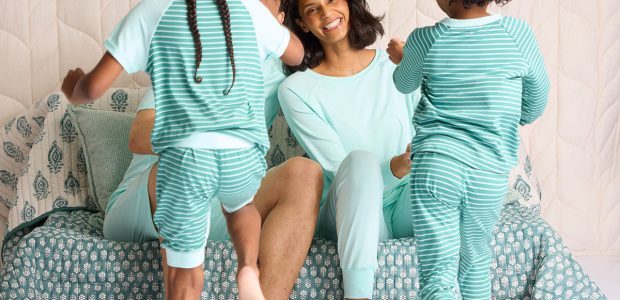

If you run hot at night, wake up tangled in sweaty sheets, or simply want pajamas that feel like a hug instead of a chore, you have probably typed some version of one question into a search bar: are bamboo pajamas actually worth the higher price? This Is J is one of the brands that keeps coming up in that conversation, so we spent time digging into what they make, how it is made, and whether the premium is justified.
This Is J (thisisj.com) is a Toronto-based sleepwear and loungewear label founded back in 2003 by Jaimie Harris. What started as a university-era side project sewing headbands and comfortable pajamas has grown into a full range of bamboo-viscose sleep and lounge pieces for women, men, and kids. The thing that sets them apart from the flood of generic bamboo pajama sellers is simple but rare: everything is designed and manufactured in Canada. Below is our honest, warts-and-all take.
PrimeVouch Score: 8.4 / 10
Best for: hot sleepers, people with sensitive skin, anyone who prioritizes ethically made, locally produced clothing, and shoppers who want pajamas that double as daytime loungewear.
What we loved:
- Genuinely soft, moisture-wicking bamboo-viscose fabric that helps regulate temperature
- Made in Canada from start to finish, with a hyper-local supply chain
- A wide range that covers women, men, kids, and babies, plus robes, nighties, and accessories
- Loose, stretchy fits that work for sleep and lounging alike
- Two decades of refinement on the core styles
Watch out for:
- Premium pricing that is noticeably higher than mass-market pajamas
- Bamboo viscose needs gentle care and does not love high-heat washing or drying
- Fabric is thinner and drapier than heavy cotton flannel, which not everyone prefers
- Limited brick-and-mortar presence, so most buying happens online
What makes This Is J different
The bamboo pajama category is crowded, and a lot of what you find online is functionally identical: fabric sourced and sewn overseas, sold under a dozen different labels at a dozen different price points. This Is J is one of the few brands that has built its entire identity around doing the opposite.
The core differentiator is Canadian manufacturing. Founder Jaimie Harris has been vocal about keeping production local, working with mills in Montreal and Toronto to develop the fabric and assembling garments in a Toronto factory. According to the brand, the fabric is knit, dyed, printed, cut, and sewn domestically, and even labels and packaging are made in Canada. In an industry where “made in Canada” often means “designed here, made elsewhere,” that hyper-local supply chain is unusual and worth acknowledging.
The second differentiator is focus. This Is J is not trying to be a fast-fashion catalog that sells everything. The brand has spent roughly two decades refining a fairly narrow set of styles, which shows in the fit and the finishing. When a company makes the same category of product for twenty years, the details tend to get sorted out, and that experience is a real, if intangible, advantage.
The third is the fabric philosophy itself. This Is J leans hard into bamboo viscose blended with a small amount of spandex, marketing softness comparable to cashmere with the drape of silk, plus moisture-wicking and temperature-regulating behavior. Whether the fabric lives up to every marketing adjective is subjective, but the underlying material choice is legitimate: bamboo viscose is genuinely breathable and soft, and it behaves differently from cotton in ways that matter for sleep.
The star product
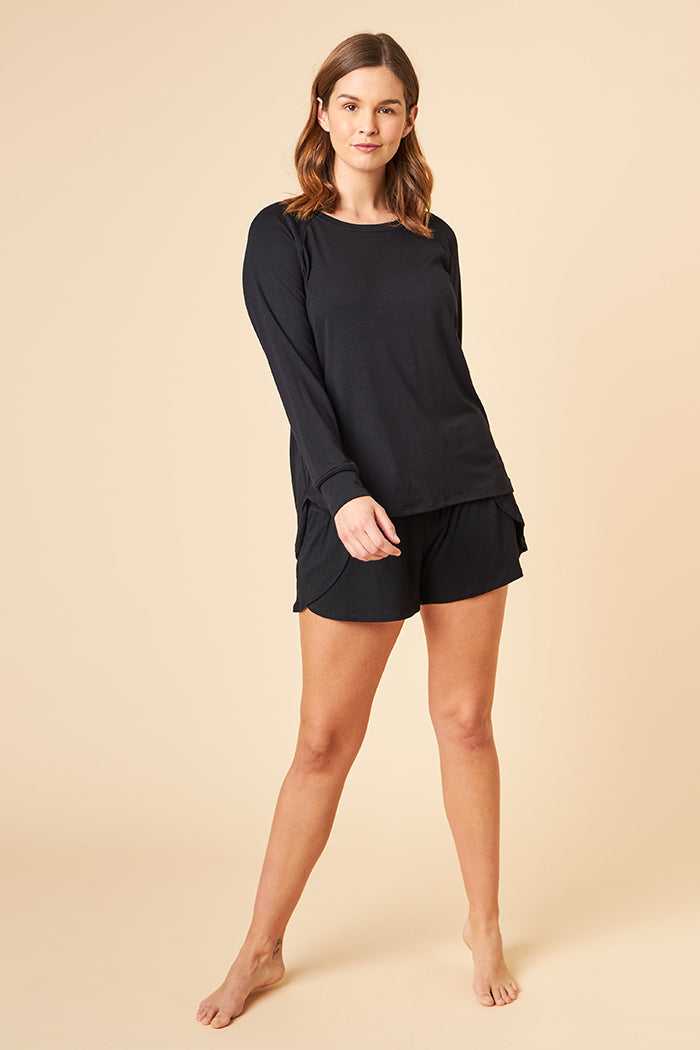
If This Is J has a signature, it is the Bamboo Jammers line. These are the ultra-soft bamboo pajama sets and separates that made the brand’s name, and they are the anchor of the women’s collection. The fabric is a bamboo-viscose blend (the brand describes its pajamas as roughly 93% bamboo with a touch of stretch), and the pitch is that it stays cool in summer, gently warm in winter, and wicks moisture so you do not wake up clammy.
In practice, the appeal of the Bamboo Jammers comes down to three things. First, the hand feel: bamboo viscose is slinky and smooth in a way that flannel and standard cotton are not, and that is the single most common thing owners rave about. Second, the fit: the cuts are relaxed and stretchy, designed to move with you and to look presentable enough to answer the door or work from home in. Third, the temperature behavior: for people who overheat at night, a breathable, moisture-wicking fabric can be the difference between good sleep and a restless one.
The honest caveat is that this is a lightweight, drapey fabric. If your mental image of “cozy pajamas” is a thick, brushed, heavyweight material, bamboo viscose will feel different, lighter and more fluid. That is a feature for hot sleepers and a mismatch for anyone who wants heavy warmth. It is worth knowing which camp you are in before you buy.
The rest of the range
This Is J is more than one product. The catalog fans out from the core pajama sets into a fairly complete sleep-and-lounge wardrobe.
Women’s pajama sets and separates
The heart of the line: tank sets, tee-and-short sets, henley styles, harem-pant sets, and mix-and-match tops and bottoms in a rotating range of solids, stripes, and florals. This is where most shoppers start.
Nighties, caftans, and robes
For people who prefer a single-piece sleep option, the brand carries short-sleeve nighties, caftans, and robes cut from the same bamboo-viscose fabric.
Loungewear
Oversized tees, capris, and lounge sets that blur the line between sleepwear and daytime comfort clothing. This is the category that makes the “wear it to bed and to the coffee run” pitch credible.
Men’s sleepwear and loungewear
The men’s side covers lounge pants, pajama pants, t-shirts, long-sleeve shirts, lounge shorts, and boxers in the same breathable fabric family.
Kids and baby
Bamboo pajamas and knits scaled down for children and babies, which rounds the brand out into a whole-household option rather than a single-demographic one.
Accessories
Rounding it out are the pieces the brand grew from in the first place: headbands, knit hats and toques, sleep masks, and similar soft accessories.
How to choose / get the best results
Bamboo-viscose sleepwear rewards a little bit of thought at the point of purchase and a little bit of care afterward. Here is how to get the most out of it.
- Size for drape, not compression. These fabrics are meant to skim the body, not cling. If you are between sizes and want a relaxed sleep fit, the roomier option usually feels better.
- Match the style to your sleep temperature. Run hot? Lean into tank sets, short sets, and lighter layers. Run cold? A long-sleeve set or a robe over a lighter base gives you the breathability of bamboo with more coverage.
- Wash cool and gentle. Bamboo viscose is durable if you treat it kindly. Cold or lukewarm water on a gentle cycle protects the softness and the fit. This is the single biggest factor in how long the pajamas last.
- Skip high heat. Air-drying or a low tumble dry is your friend. High heat is the fastest way to shorten the life of any viscose garment.
- Buy the set, then add separates. A lot of owners buy one set, fall for the fabric, and then build out a rotation with mix-and-match tops and bottoms. Starting with one full set is a low-risk way to test whether the fabric works for you.
Watch: This Is J in action
Since bamboo-viscose sleepwear is a category as much as a single brand, this short guide on choosing the best bamboo pajamas is a useful primer on what to look for in fabric, fit, and care before you buy.
This Is J vs alternatives
How does This Is J stack up against the two most common alternatives shoppers weigh: mass-market bamboo pajama brands and traditional cotton sleepwear?
| Factor | This Is J | Generic bamboo brands | Standard cotton PJs |
|---|---|---|---|
| Fabric feel | Very soft, silky bamboo viscose | Varies widely by seller | Familiar, often heavier |
| Temperature regulation | Strong, moisture-wicking | Usually good | Fair to good |
| Manufacturing | Made in Canada, local supply chain | Typically overseas | Usually overseas |
| Price | Premium | Budget to mid | Budget to mid |
| Durability with care | Good if washed gently | Inconsistent | Very good, tolerates hot wash |
The pattern is clear: This Is J trades on softness, temperature performance, and ethical local production, and asks you to pay for it. Generic bamboo brands can match the fabric feel sometimes and undercut the price, but with far less consistency and no transparency about how or where the garments are made. Cotton wins on ruggedness and low cost but loses on that signature bamboo softness and breathability.
Price & value
Let us be straight about this: This Is J is a premium brand, and the pricing reflects that. You are paying more than you would for a bamboo set from a marketplace seller, and considerably more than for a basic cotton set. The brand does run sale sections with meaningful discounts on past-season styles, so patient shoppers can bring the effective cost down.
Is it worth it? That depends on what you value. If you view pajamas as a disposable commodity, the premium will feel steep. If you view them as something you wear every single night for years, and you care about how and where your clothing is made, the math looks different. Made-in-Canada production with a living-wage commitment is genuinely expensive to sustain, and that cost is baked into the price. You are paying for the fabric and the fit, yes, but also for the supply chain behind them.
Our take: the value is real for the right buyer, but it is not a bargain, and it is not trying to be. Go in expecting a considered purchase, not an impulse steal.
Check current This Is J prices
Who should buy — and who should not
You should buy This Is J if: you are a hot sleeper who overheats in cotton or flannel; you have sensitive skin that reacts to rougher fabrics; you want pajamas soft enough to look forward to; you care about ethical, local manufacturing and are willing to pay for it; or you want loungewear that transitions from bed to a work-from-home day without looking like you gave up.
You should probably skip it if: your budget is tight and pajamas are strictly utilitarian; you want thick, heavyweight warmth rather than lightweight breathability; you dislike hand-washing or gentle-cycle care and will inevitably throw everything on hot; or you simply do not notice or value fabric quality enough to pay a premium for it. None of those make This Is J a bad product, they just make it the wrong product for you.
Honest limits
No brand is perfect, and it would be dishonest to pretend otherwise. Here are the real limitations to weigh.
First, the price. This is the recurring theme, and it is a genuine barrier for a lot of shoppers. There are cheaper ways to get bamboo-adjacent softness if that is your only priority.
Second, the fabric’s care requirements. Bamboo viscose is not a throw-it-in-hot-and-forget-it material. Treat it roughly and it will pill, thin, or lose shape faster than cotton would. The durability is good, but conditional on care.
Third, the weight and warmth. The lightweight, drapey character that hot sleepers love is a downside for anyone chasing deep, heavy coziness in cold climates. Layering helps, but the fabric itself is not built for maximum insulation.
Fourth, availability. This is primarily an online brand, which means you cannot easily walk in and feel the fabric before buying. For a product where hand feel is the whole point, that is a mild frustration, mitigated by return policies but not eliminated.
Finally, style breadth. The catalog is focused rather than sprawling. If you want wild variety or trend-chasing designs, you may find the range a little restrained. That focus is a strength for quality but a limit for choice.
This Is J discount codes & deals
This Is J regularly runs a dedicated sale section with markdowns on past-season colors and styles, and seasonal promotions tend to appear around major shopping windows. Because bamboo-viscose fabric is season-agnostic (it works year-round), buying a “last season” print at a discount gets you the exact same fabric performance for less. If you are new to the brand and want to test the fabric before committing at full price, the sale section is the smart entry point.
The single best way to see current pricing, live promotions, and any active codes is to check the deals page directly rather than relying on a stale coupon from elsewhere on the web.
See the latest This Is J deals and discounts here
Frequently asked questions
Is This Is J actually made in Canada?
Yes. This is one of the brand’s defining features. According to This Is J, garments are designed and manufactured in Canada, with fabric knit, dyed, printed, cut, and assembled domestically, and even labels and packaging produced locally. That end-to-end local supply chain is genuinely uncommon in the sleepwear category.
What is the fabric made of?
The core sleepwear is a bamboo-viscose blend with a small amount of spandex for stretch (the brand describes its pajamas as roughly 93% bamboo). The spandex is what gives the pieces their soft-stretch, move-with-you fit.
Are bamboo pajamas good for hot sleepers?
Generally, yes. Bamboo viscose is breathable and moisture-wicking, meaning it pulls perspiration away from the skin and lets it evaporate rather than trapping it. For people who overheat in cotton or flannel, that is often a noticeable upgrade in comfort.
How do I care for This Is J pajamas?
Wash cool or lukewarm on a gentle cycle, and dry on low heat or air-dry. Avoid high heat, which is the main thing that shortens the life of viscose fabrics. Treated gently, the pajamas hold their softness and fit well over time.
Is This Is J worth the premium price?
For the right buyer, yes. If you value fabric quality, temperature regulation, and ethical local manufacturing, and you wear pajamas nightly for years, the cost spreads out into good value. If pajamas are a purely utilitarian purchase for you, cheaper options will serve just fine.
Do they make men’s and kids’ sizes?
Yes. Beyond the women’s range that made the brand’s name, This Is J offers men’s sleepwear and loungewear as well as bamboo pajamas and knits for kids and babies, making it a whole-household option.
Does the bamboo fabric shrink?
Like most viscose fabrics, it can shrink or lose shape if exposed to high heat in washing or drying. Following the cool-wash, low-heat care guidance is the reliable way to keep the fit consistent over time.
Understanding bamboo viscose: what buyers should actually know
Because bamboo sleepwear is having a moment, it is worth understanding what you are actually buying, so you can judge This Is J and its competitors on the merits rather than the marketing.
“Bamboo fabric” almost always means bamboo viscose (also called bamboo rayon). Raw bamboo is a fast-growing, renewable plant, but it does not become soft fabric on its own. It is processed into a pulp and then regenerated into fibers, which is what gives the finished material its silky, drapey, breathable character. This is why bamboo-viscose pajamas feel so different from a stiff bamboo cutting board: the plant is the raw input, but the fabric is an engineered fiber.
The performance benefits people notice are real. Bamboo viscose is highly breathable, wicks moisture, drapes softly, and tends to feel cool to the touch, all of which explain its popularity for sleepwear specifically. Where you should keep expectations grounded is durability and care: regenerated cellulose fibers are more delicate than cotton and respond poorly to high heat and aggressive washing. That is not a defect, it is just the nature of the material, and it is why every reputable bamboo brand recommends gentle care.
The sustainability picture is nuanced and worth understanding honestly. The bamboo plant itself is renewable and fast-growing, which is a genuine plus. The processing into viscose, however, is chemical-intensive, so the environmental footprint depends heavily on how responsibly the manufacturing is done. This is exactly where local, transparent production matters. A brand that controls its supply chain and manufactures domestically, as This Is J does, gives you far more visibility into how the fabric is made than an anonymous marketplace seller ever could. That transparency is arguably as important as the “bamboo is renewable” headline.
The practical takeaway: bamboo viscose is an excellent sleepwear fabric for softness, breathability, and temperature regulation, provided you treat it gently and buy from a maker who is honest about sourcing and construction. Judge any bamboo pajama brand, This Is J included, on fabric quality, fit, care requirements, and manufacturing transparency, not on plant-based buzzwords alone. On those criteria, This Is J earns its place near the top of the category, even if the price keeps it out of reach for bargain hunters.