
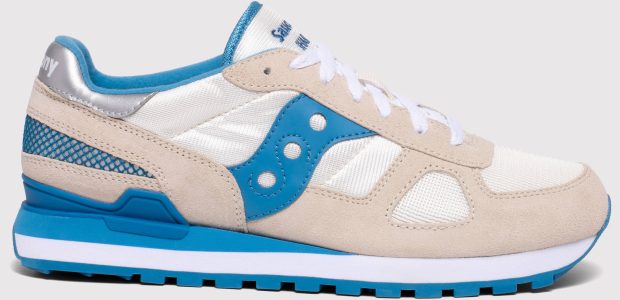

When you’re hunting for a new pair of running shoes, the biggest question on most shoppers’ minds is whether the brand will actually deliver on its promises of comfort, durability, and performance across varied distances and terrains. You might be scrolling through countless options, reading endless reviews, and still wondering: “Will this shoe really feel good on my feet after a 10‑mile run, or will it start to feel like a sore‑foot nightmare halfway through?”
Enter Saucony, a name that’s been whispering through the running community for decades, now offering a direct‑to‑consumer experience via its own website. The challenge for any buyer is to cut through the hype and decide if Saucony’s online catalog truly matches the needs of a serious runner, a casual jogger, or someone just looking for a stylish sneaker that can double as a gym shoe.
PrimeVouch Score: 8.3 / 10
Best for: Runners who value a balanced mix of cushioning and responsiveness.
What we loved: Consistent fit across models, transparent product tech explanations, and a solid warranty program.
Watch out for: Limited size runs on certain high‑demand releases and occasional price spikes during new model launches.

What makes saucony.com different
Saucony’s heritage dates back to the early 20th century, but its modern identity is built around a few core principles that set its online store apart from generic retailers. First, the brand invests heavily in research and development, often naming its proprietary technologies (like PWRRUN+ cushioning or EVERUN top‑out) directly on product pages. This transparency helps buyers understand the “why” behind each shoe’s feel.
Second, Saucony.com offers a streamlined shopping experience that includes a detailed “Fit Finder” tool, allowing shoppers to input foot length, width, and arch type to receive model recommendations. The site also provides a “Try‑Before‑You‑Buy” policy in select regions, letting customers order a pair, test it at home for up to 30 days, and return it free of charge if it doesn’t meet expectations.
Finally, Saucony maintains a strong community focus. The website hosts a blog with training tips, athlete stories, and a “Run Club” portal where members can log miles, earn badges, and receive exclusive discounts. This ecosystem creates a sense of belonging that many pure‑ecommerce sites lack.
The star product
Among Saucony’s current lineup, the Endorphin Pro consistently garners attention for its race‑day performance. Built around a carbon‑fiber plate and a responsive PWRRUN PB cushioning stack, the shoe promises a propulsive feel without sacrificing comfort. Runners report a noticeable “spring” effect on faster intervals, while the engineered mesh upper offers a snug yet breathable fit.
What makes the Endorphin Pro stand out on saucony.com is the depth of information provided. Each product page includes a “Technology Breakdown” section, a video of the shoe in action, and a downloadable sizing guide. The site also lists the shoe’s recommended mileage range, helping athletes gauge how long they can expect optimal performance before the midsole starts to soften.
While the Endorphin Pro shines in speedwork and marathon attempts, it’s not necessarily the best daily trainer. The aggressive cushioning can feel a bit firm on short, easy runs, and the carbon plate adds weight that some casual runners might find unnecessary. Still, for those targeting a personal best, this model remains a top contender in Saucony’s catalog.

The rest of the range
Road running shoes
Saucony’s road shoes are divided into three primary families: the Triumph line (maximum cushioning), the Kinvara line (lightweight minimalism), and the Guide line (stability for overpronators). The Triumph offers plush PWRRUN+ midsole cushioning that absorbs impact on long distances, making it a favorite for recovery runs. The Kinvara, on the other hand, strips away excess material for a feather‑light feel, ideal for speed sessions and race days. Meanwhile, the Guide incorporates a medial post to correct overpronation without feeling overly rigid.
Trail shoes
For off‑road enthusiasts, Saucony provides the Peregrine and the X‑Road series. The Peregrine combines aggressive lugs with a rock‑plate protection system, delivering grip on slick roots while shielding the foot from sharp objects. The X‑Road series pushes the envelope further with a more aggressive outsole and a higher stack height, targeting technical terrain and steep climbs. Both models incorporate an updated version of the EVERUN top‑out for added comfort on uneven surfaces.
Casual and lifestyle
Beyond performance, Saucony’s lifestyle collection blends classic silhouettes with modern comfort technology. Shoes like the Jazz Original and the Shadow 6000 repurpose retro designs with updated midsoles, giving everyday wearers a sneaker that looks timeless yet feels supportive. These models often feature the same PWRRUN cushioning found in performance shoes, ensuring that casual walks feel surprisingly springy.
How to choose
Selecting the right Saucony shoe starts with an honest assessment of your running habits. Ask yourself the following:
- What is your primary running terrain? Road, trail, or mixed?
- Do you need extra support for overpronation, or do you prefer a neutral shoe?
- How many miles do you log each week? High mileage may demand a more durable midsole.
- What’s your typical stride length? Longer strides often benefit from a responsive plate or firmer cushioning.
Once you have answers, use Saucony.com’s “Fit Finder” to narrow down the options. Pay attention to the “Recommended Use” tags on each product page – they’re not just marketing fluff but guidance based on extensive testing. Finally, consider trying on the shoe in a store if possible, or ordering two sizes to compare fit before committing.
https://www.youtube.com/watch?v=YiJ-lNMynQ4
saucony.com vs the alternatives
| Brand | Key Strength | Typical Price Range | Fit Consistency |
|---|---|---|---|
| Saucony | Balanced cushioning & transparent tech | Mid‑to‑high | High |
| Brooks | Exceptional support for overpronators | Mid‑to‑high | Medium |
| Nike | Innovative plate technology | Mid‑to‑premium | Variable |
Price and value
Saucony’s pricing strategy generally falls into the mid‑range segment of the running‑shoe market, with entry‑level models starting in the lower hundreds of dollars and premium racers edging toward the higher end. While you won’t find the rock‑bottom deals typical of discount outlets, the brand often bundles free shipping and a generous return window, which adds value to the overall purchase experience.
The durability of Saucony shoes is another factor in the value equation. Many reviewers note that a well‑maintained pair can comfortably exceed 300 miles before the midsole shows noticeable compression. Combined with the brand’s 90‑day warranty against manufacturing defects, the total cost of ownership can be competitive, especially for runners who stick with a model for multiple seasons.
For budget‑conscious shoppers, Saucony.com periodically offers “Clearance” sections where last‑season colors are discounted by up to 30 percent. However, inventory can be limited, and sizes may run out quickly, so act fast if you spot a deal that matches your needs.
Who should buy — and who should skip it
If you’re a runner who values a shoe that offers a blend of responsive cushioning and reliable fit, Saucony is a solid bet. The brand excels for neutral runners seeking a versatile daily trainer, as well as for speed‑oriented athletes looking for a race‑day shoe with a carbon plate. Trail enthusiasts will also appreciate the ruggedness of the Peregrine line.
Conversely, if you have an extremely narrow foot or require a highly specialized stability platform, you might find Saucony’s width options somewhat limited compared to some competitors. Additionally, fashion‑first sneakerheads who prioritize the latest color drops may be disappointed, as Saucony tends to release new colorways at a more measured pace.
Honest limits
Despite its many strengths, Saucony isn’t without drawbacks. The most common complaints revolve around limited stock on popular models, especially during the launch window of a new silhouette. This scarcity can lead to inflated resale prices on secondary markets, which the brand has no control over.
Another point to consider is the brand’s approach to sustainability. While Saucony has introduced recycled materials in select models, the overall percentage of recycled content remains modest compared to some eco‑focused rivals. For environmentally conscious shoppers, this may be a factor worth weighing.
https://www.youtube.com/watch?v=GoxbgIfADNo
saucony.com discount codes and deals
While Saucony rarely offers deep discount codes directly on its site, savvy shoppers can still save by signing up for the newsletter, which frequently delivers a welcome discount on the first order. Additionally, the “Clearance” section on saucony.com provides seasonal markdowns on previous‑year styles, and holiday promotions often include free shipping or a gift card with a minimum purchase.
Frequently asked questions
Do Saucony shoes run true to size?
For the most part, yes. Saucony’s sizing is consistent across most models, but some runners find the Endorphin Pro runs slightly snug in the toe box, so ordering a half size up is often recommended for that specific shoe.
Can I return shoes bought from saucony.com?
Yes. Saucony offers a 90‑day return window for unworn shoes, provided they are returned in their original condition with the box and all accessories.
Are Saucony shoes suitable for trail running?
Absolutely. The Peregrine and X‑Road lines are designed specifically for off‑road terrain, featuring aggressive lugs, rock plates, and protective toe caps.
What is the typical lifespan of a Saucony running shoe?
Most runners can expect a pair to last between 300 and 500 miles, depending on mileage, terrain, and individual running style. Monitoring midsole compression is the best way to gauge when it’s time for a replacement.
Does Saucony offer any eco‑friendly shoe options?
Yes, a few models incorporate recycled polyester uppers and rubber outsoles made from reclaimed materials, though the overall eco‑focused lineup is still growing.
How does Saucony’s warranty work?
The brand provides a 90‑day warranty against manufacturing defects. If a defect is found within this period, you can receive a replacement or a store credit, depending on availability.
A buyer's closing guide
Choosing a running shoe is a personal decision that hinges on fit, terrain, and performance goals. Saucony’s direct‑to‑consumer platform offers a transparent look at technology, a helpful fit‑finder, and a solid return policy, making it a trustworthy option for many athletes. Weigh the brand’s strengths—balanced cushioning, reliable fit, and a community‑focused shopping experience—against its limitations, such as occasional stock shortages and a modest sustainability footprint.
If the pros align with your running style and the cons are manageable, Saucony is likely a worthwhile investment for both daily training and race‑day ambitions.
PrimeVouch Score: 8.3 / 10