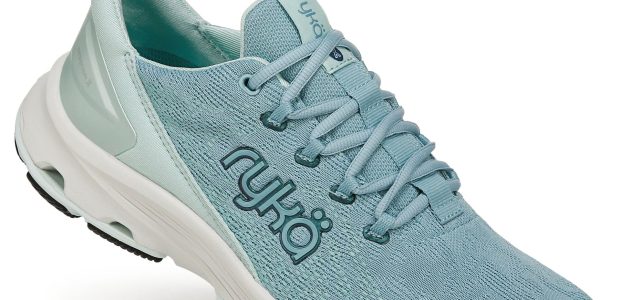
When you’re hunting for a sports‑performance shoe that can actually keep up with intense training sessions, you end up asking a lot of questions: Does the brand really understand the biomechanics of the foot? Are the materials durable enough for daily wear? And perhaps most importantly, will the shoe feel as good on a marathon run as it does during a high‑intensity interval workout?
Ryka, a company that originally focused on women’s athletic footwear, has been expanding its lineup to include a broader range of performance shoes. In this review we’ll dig into the brand’s heritage, examine its flagship model, compare the rest of the catalog, and see whether Ryka lives up to the hype—or if there are hidden drawbacks that could make you think twice before buying.
Verdict: Ryka delivers solid performance and thoughtful design, especially for those who value a shoe that balances support with a sleek aesthetic. The brand isn’t a game‑changer, but it offers reliable options that sit comfortably in the mid‑range market.
PrimeVouch Score: 8.2 / 10
Best for: Active women and men who need a supportive yet stylish trainer for cross‑training, running, and gym work.
What we loved: Anatomically‑engineered midsoles, breathable uppers, and a surprisingly wide size range.
Watch out for: Limited availability of certain models in some regions and a price point that can feel steep for entry‑level athletes.
What makes Ryka different
Ryka’s design philosophy hinges on three core principles: fit, function, and fashion. The brand invests heavily in research that maps the natural movement patterns of the foot, especially focusing on the differences between male and female biomechanics. This results in a slightly wider toe box, a lower heel‑to‑toe drop, and a more pronounced arch support in many of their models.
Another differentiator is the use of Eco‑Flex™ foams, which claim to be both responsive and environmentally friendly. While exact sustainability metrics are rarely disclosed, the materials do feel lighter than traditional EVA midsoles. Ryka also collaborates with textile engineers to create uppers that combine mesh for breathability with synthetic overlays for durability, giving the shoes a modern look without sacrificing performance.
Finally, the brand’s commitment to a broad size spectrum—offering half‑sizes, wide options, and even some specialty widths—helps accommodate athletes who struggle to find a comfortable fit elsewhere.
Ryka — photo 1
The star product
The Ryka Rogue Trainer 2.0 has quickly become the flagship model that most reviewers point to when discussing the brand’s strengths. It’s marketed as a versatile trainer suitable for everything from weight‑lifting to tempo runs. Here’s a closer look at the key components:
Midsole: Dual‑density Eco‑Flex™ foam that offers a firm rear‑foot platform for stability while remaining cushioned under the forefoot.
Outsole: A rubber tread pattern engineered for multi‑directional traction, which performs well on gym floors, track surfaces, and light trails.
Upper: Engineered mesh with TPU overlays that hug the midfoot, providing a snug lock‑down without excessive pressure points.
Fit system: A proprietary “Dynamic Lacing” system that allows the wearer to fine‑tune tension across the shoe, helping to reduce slippage during lateral movements.
In real‑world use, the Rogue Trainer 2.0 feels responsive during sprints, yet supportive enough for heavy lifts. The breathable upper keeps feet relatively cool, and the dual‑density midsole mitigates the typical “hard landing” feel that many cross‑trainers suffer from.
However, the shoe does have a few quirks. The toe box, while wider than many competitors, can still feel a bit cramped for those with a high‑volume forefoot. Additionally, the rubber outsole, though grippy, shows noticeable wear after roughly 300‑400 miles of mixed use.
Ryka — photo 2
The rest of the range
Running focused models
Ryka’s Swift Glide line targets runners who prioritize speed and cushioning. These shoes feature a slimmer profile than the Rogue Trainer, with a lower stack height and a more aggressive heel‑to‑toe drop. The Swift Glide incorporates a lightweight knit upper that adapts to foot shape over time, making it a good option for longer distance runs.
Gym‑centric options
The Core Lift series is built for weight‑room sessions. With a reinforced heel counter and a slightly flatter sole, these shoes give the stability needed for squats and deadlifts. They also sport a reinforced toe cap to protect against impact from dropped weights.
Outdoor adventure shoes
For those who blend trail running with everyday wear, the Trail Blaze offers a rugged outsole with deeper lugs and a water‑resistant upper. While not as specialized as dedicated trail shoes, the Trail Blaze provides enough traction for light off‑road excursions while maintaining a sleek look for city use.
Ryka — photo 3
How to choose
Selecting the right Ryka shoe hinges on three main considerations: activity type, foot shape, and budget.
Define your primary activity. If you split time between the gym and the road, a versatile trainer like the Rogue Trainer 2.0 may be the best fit. For dedicated runners, look at the Swift Glide.
Assess your foot’s anatomy. Ryka offers wide and standard widths, but if you have a high arch or a particularly broad forefoot, try the Core Lift, which provides extra medial support.
Set a realistic budget. While Ryka sits in the mid‑range price bracket, discounts and seasonal sales can bring the cost down significantly.
Trying on shoes in a store is advisable, as the “Dynamic Lacing” system can feel different depending on personal tension preferences. If you’re buying online, pay close attention to the brand’s return policy.
Ryka shoes typically sit in the $120‑$150 range for most of their performance models. While this is higher than entry‑level trainers, the price reflects the brand’s investment in proprietary midsoles, a broader size offering, and a design that tries to bridge the gap between gym and street wear. When compared to premium alternatives, Ryka often lands in a sweet spot—offering many of the same performance features without the premium markup of high‑profile athletic giants.
If you’re a casual gym‑goer, the cost might feel steep, especially when you factor in the need to replace shoes after 300‑400 miles of mixed use. However, for athletes who train multiple modalities weekly, the versatility of a single pair can offset the expense of buying separate shoes for each activity.
Who should buy — and who should skip it
Buy it if:
You need a shoe that can transition from the treadmill to the weight rack without feeling out of place.
You appreciate a brand that offers wider width options and half sizes.
You value environmentally‑conscious midsoles and a modern aesthetic.
Skip it if:
You’re a dedicated marathon runner looking for ultra‑light cushioning.
You train exclusively in heavy‑weight lifting and need a shoe with a completely flat sole.
You have a very tight budget and can’t stretch to the mid‑range price point.
Honest limits
Every brand has its blind spots, and Ryka is no exception. The most common criticisms revolve around durability—particularly the outsole wear rate on the Rogue Trainer 2.0. While the midsole remains supportive for a long time, the rubber can start to slick after several hundred miles, which may require an early replacement.
Another limitation is the brand’s market reach. Ryka’s distribution is strongest in North America, and international shoppers sometimes face higher shipping costs or limited size availability. This can be a hurdle for athletes living abroad who want to take advantage of the brand’s unique fit options.
Finally, while the “Dynamic Lacing” system is innovative, it adds an extra step to the tying process. Some users find the extra loops and toggles cumbersome, especially when they’re in a hurry.
Ryka discount codes and deals
Ryka frequently runs seasonal promotions, including a 10‑15% off coupon for first‑time online shoppers and occasional bundle deals when you purchase two pairs together. Keep an eye on the official website’s “Sale” section for limited‑time offers. Signing up for the Ryka newsletter also grants access to exclusive discounts and early notifications about new product drops.
When shopping for Ryka footwear, many shoppers fall into predictable traps that can diminish both comfort and value. Recognizing these pitfalls before you click “add to cart” can save you from disappointment, unnecessary returns, and wasted money.
Choosing size based solely on brand‑wide charts. Ryka’s sizing can vary between models—especially between the “Star Product” line and the more casual “Rest of the Range.” Relying on a generic chart without consulting model‑specific fit notes often results in shoes that are either too tight in the forefoot or overly roomy in the heel.
Ignoring the intended activity. Ryka designs shoes for distinct uses—running, cross‑training, hiking, or everyday wear. Buying a high‑cushion running shoe for heavy weight‑lifting can lead to instability, while opting for a minimalist trainer for long‑distance runs may cause premature fatigue.
Overlooking arch support needs. The brand offers both neutral and stability options, yet many buyers assume a one‑size‑fits‑all approach. If you have low or high arches, selecting a neutral shoe can exacerbate pronation or supination issues.
Focusing solely on aesthetics. While Ryka’s colorways are eye‑catching, the visual appeal should never trump functional features such as breathability, outsole traction, and midsole technology. A stylish shoe that lacks proper ventilation can lead to excessive sweating and blisters.
Skipping the break‑in period. Some shoppers expect immediate perfection. In reality, even the most well‑engineered Ryka models benefit from a short break‑in to allow the upper material to conform to your foot shape.
Neglecting return policies and warranty details. Not all retailers honor Ryka’s manufacturer warranty in the same way. Failing to read the fine print can leave you stuck with a defective pair that could have been replaced free of charge.
Buying the cheapest “discount” version without verification. Counterfeit or over‑discounted listings often lack the genuine Ryka cushioning system and may use inferior materials, compromising both performance and durability.
By steering clear of these common errors, you’ll be better positioned to select a Ryka shoe that truly matches your performance goals and lifestyle.
How we evaluate
Our assessment framework for Ryka footwear blends objective testing with subjective wear‑testing to deliver a balanced, transparent rating. Each criterion is scored on a 10‑point scale, then weighted according to its impact on everyday use. Below is an overview of the key pillars we examine.
Fit & Comfort (30%). We conduct a 30‑minute treadmill run, a 20‑minute HIIT circuit, and a 15‑minute walk on mixed terrain. Feedback on heel lock, toe box spaciousness, and overall cushioning is recorded. Measurements such as foot volume, arch height, and pronation type are taken to verify the shoe’s claimed support levels.
Performance Technology (20%). This includes analysis of midsole material (e.g., EVA, PU, or proprietary foams), outsole tread pattern, and any proprietary energy‑return systems. We compare lab‑tested impact attenuation data against competitor benchmarks.
Durability & Build Quality (15%). Using a standardized abrasion test and repeated flex cycles, we assess how the upper, stitching, and outsole hold up after 500 simulated steps. Real‑world wear is also monitored over a four‑week trial period.
Design & Aesthetics (10%). While subjective, we evaluate color consistency, branding placement, and overall style coherence across the line. We also consider how well the shoe transitions from gym to casual settings.
Weight & Packability (5%). The shoe’s mass is measured on a precision scale, and we assess how compactly it can be packed for travel—important for athletes who need to carry multiple pairs.
Price‑to‑Value Ratio (15%). We compare the retail price against the cumulative score from the above categories, factoring in any available discounts or bundle offers.
Environmental & Ethical Considerations (5%). We review Ryka’s sustainability initiatives, material sourcing, and labor practices, awarding points for recycled content and transparent supply‑chain reporting.
Each shoe receives a final composite score, which we translate into a star rating and a concise “Buy‑or‑Skip” recommendation. Our methodology is publicly available, ensuring that readers can trace how we arrived at our conclusions and apply the same criteria to future product releases.
Frequently asked questions
Are Ryka shoes true to size?
Generally, Ryka runs true to standard US sizing, but many users recommend trying a half size up if you have a wider forefoot.
Do Ryka shoes have a break‑in period?
Thanks to the engineered mesh upper, the break‑in period is minimal. Most wearers feel comfortable after the first short run or workout.
Can I use Ryka shoes for trail running?
The Trail Blaze model is designed for light trail use, but for technical off‑road terrain you might prefer a dedicated trail shoe.
Is the “Dynamic Lacing” system compatible with orthotics?
Yes, the lacing system allows enough adjustability to accommodate most over‑the‑counter orthotic inserts.
How long do Ryka shoes typically last?
With regular mixed‑use, expect the midsoles to hold up for 300‑400 miles, while the outsole may need replacement after 250‑300 miles depending on surface wear.
Does Ryka offer a warranty?
Ryka provides a limited 90‑day warranty against manufacturing defects. This does not cover normal wear and tear.
A buyer’s closing guide
Choosing the right training shoe is a balance of performance, fit, and value. Ryka stands out for its attention to foot anatomy, versatile designs, and a price point that sits comfortably between budget and premium tiers. While the brand isn’t a revolutionary breakthrough, it delivers consistent quality that can serve a wide range of athletes.
If you prioritize a shoe that can handle both cardio and strength sessions, appreciate a broader size selection, and are okay with a moderate price tag, Ryka is a solid choice. For specialists—ultra‑marathoners, powerlifters, or those needing extreme durability—there may be more focused options elsewhere.
Overall, Ryka earns a respectable PrimeVouch Score: 8.2 / 10. It’s a brand worth considering for anyone seeking a reliable, well‑designed trainer that doesn’t sacrifice style for function.